Disney Cruise Line Review: Is It Worth It for UK Families?
A balanced Disney Cruise Line review for UK families: what the ships do well, where they fall short, what's included and who should book.
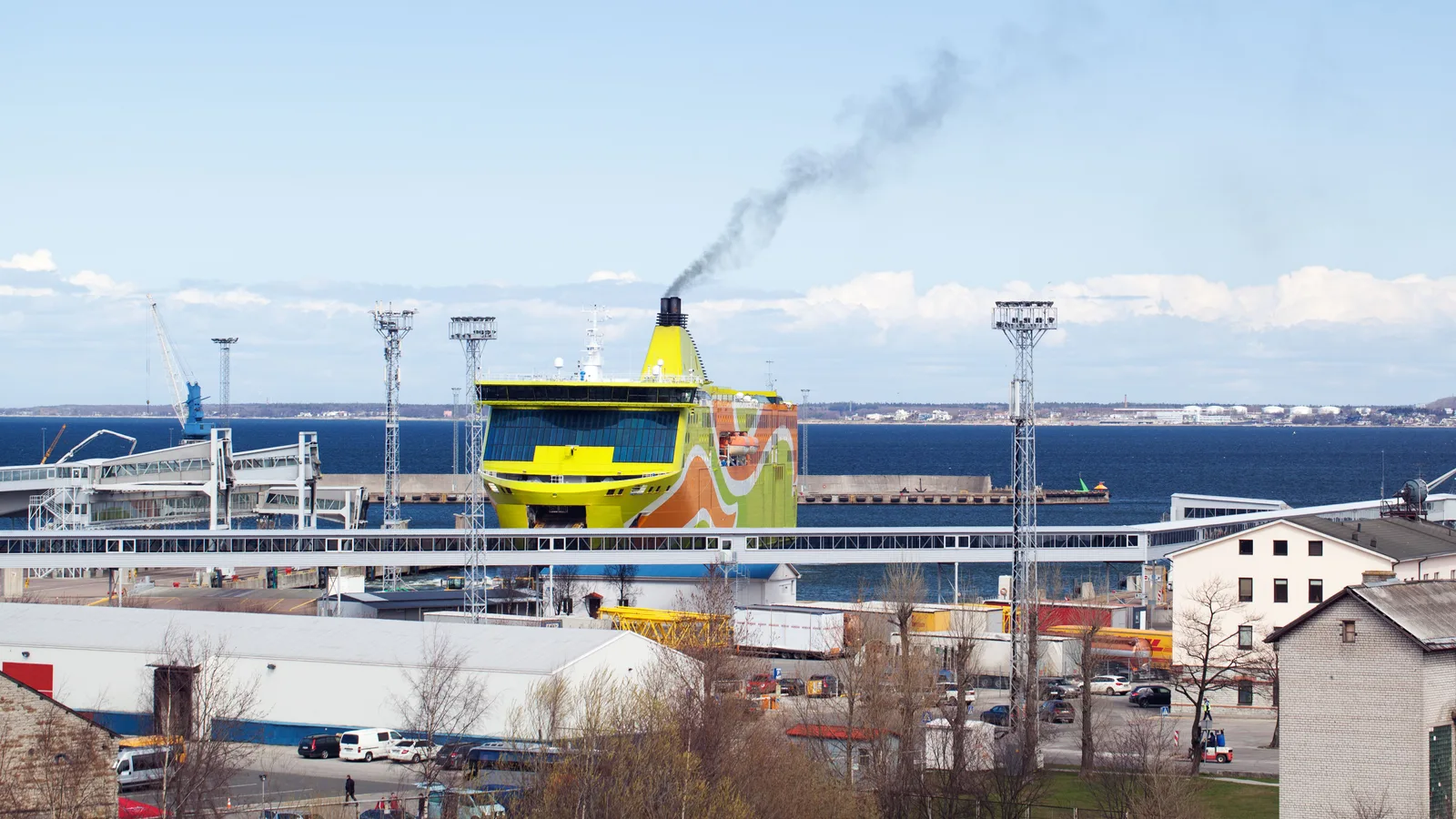
What Disney Cruise Line is and who it is for
Disney Cruise Line is the cruise arm of Disney, running its own fleet of ships rather than franchising the name to another operator. The fleet covers the smaller classic ships (Disney Magic and Disney Wonder), the mid-size Disney Dream and Disney Fantasy, and the newer Disney Wish, Disney Treasure and Disney Destiny, with Disney Adventure sailing in Asia. Ships typically homeport in Florida and on the US west coast, with seasonal European programmes that have included departures from Southampton, Dover, Barcelona and Civitavecchia.
The product is built around families with children of roughly primary-school age, and around multi-generational groups where grandparents are paying. Everything is designed to be done together: character meets, a nightly Broadway-style show, a rotating dinner schedule, fireworks at sea on some itineraries, and a private island beach day.
It is not a budget line and not a party line. If you want the lowest possible fare per night, a casino, or long stretches of adult-only calm, other operators do that better. If you want a holiday where the children are genuinely catered for and the adults still get a proper dinner and a quiet pool, this is the benchmark.
Our verdict: 4 out of 5
Strengths and weaknesses at a glance
What it does well
- Children's clubs are included in the fare and split by age, from nursery through to a dedicated teen space
- Rotational dining moves your table through three themed restaurants with the same serving team each night
- West End-standard shows, first-run films and deck parties are all part of the price
- Cabin grades suit families of four and five, with split bathrooms on most ships
- Private island days at Castaway Cay and Lookout Cay include lunch and beach time at no extra cost
- Service standards are consistently high, and special diets are handled seriously
Where it falls short
- Fares are a clear premium over mainstream family lines, and school-holiday dates are the priciest
- Gratuities, alcohol, speciality coffee, speciality restaurants and excursions sit outside the fare
- Days are scheduled and busy; finding genuine quiet takes effort
- Cabins are well planned but not generous, particularly inside grades
- Itineraries are conservative, with plenty of sea days and familiar Caribbean and Mediterranean ports
- European seasons sell out early, so late bookers face limited cabin choice
How it scores on the things that matter
- Entertainment and things to do
- 5.0/5
Original stage shows, a cinema, deck parties, fireworks on many sailings and characters on a published schedule.
- Children's facilities
- 5.0/5
Age-banded clubs included in the fare, plus a nursery for the under-threes and a teens-only lounge.
- Dining
- 4.0/5
Rotational restaurants are genuinely good for a family ship; the speciality venues are a step up but cost extra.
- Cabins
- 3.5/5
Clever storage and split bathrooms on most ships, but floor space is tight once a family of four is unpacked.
- Value for money
- 3.0/5
A lot is bundled in, but the headline fare and the on-board extras bill are both higher than rivals'.
- Adult-only spaces
- 3.5/5
Quiet Cove pool, a spa and adult dining give grown-ups somewhere to go, though the ships stay family-first throughout.
The fleet: which ship changes the experience
The fleet is not uniform, and the ship you pick matters more than the brochure suggests. Smaller ships mean shorter walks, calmer pool decks and a quicker feel for the layout. Newer ships mean more restaurants, bigger spas and the newest attractions, but also more passengers competing for the same sunloungers.
| What to know | Magic and Wonder | Dream and Fantasy | Wish, Treasure and Destiny |
|---|---|---|---|
| Generations | The original pair, in service since the late 1990s | Mid-generation ships introduced in the early 2010s | The current class, arriving from 2022 onwards |
| Feel on board | Smallest and easiest to navigate; classic ocean-liner styling | Bigger and bolder, with a large pool deck and a water coaster | Largest, with the most restaurants and adult spaces |
| Best for | First-timers wanting a calmer, shorter voyage | Families with children who want the water slides | Returners who have done the classics and want the newest venues |
| Trade-off | Fewer dining venues and a smaller spa | Busier pool decks on sea days | A higher fare, and more walking between venues |
A sea day, hour by hour
Disney sea days are programmed rather than empty. The daily planner arrives the night before and is genuinely worth reading, because the popular sessions — character meets, nursery slots, adult-only tastings — fill up.
-
Early morning: pools before the crowds
The pools and the self-service drinks station are at their quietest before about 9am. If your children are early risers, this is the window to swim without the afternoon crush.
-
Mid-morning: club drop-off
Children's clubs open in the morning. Registration is done once, usually at the terminal or on the first afternoon, so later drop-offs are quick. Adults can then use the adult pool, the gym or the spa.
-
Lunch: buffet or sit-down
The buffet is the fast option on a port-free day; the main dining room usually serves a slower seated lunch. Both are included, so the choice is about time rather than money.
-
Afternoon: shows, films and ice cream
Afternoon entertainment typically includes a matinee in the main theatre, screenings of Disney films and family quizzes. Sea days are also when the pop-up character meets appear in the planner.
-
Early evening: the show before dinner
The main stage show runs before or after your dinner sitting depending on your assigned time. Arrive 15 to 20 minutes early for a seat together.
-
Dinner and after dark
Rotational dining takes you to a different restaurant each night with the same serving team. Afterwards there is usually a deck party, a bar, or a film; children's clubs often stay open late on some nights for a small charge.
Dining: rotational restaurants and the extras
The signature idea is rotational dining: your party is assigned a different themed restaurant each night and your serving team moves with you, so they learn what the children will actually eat by night two. Each restaurant typically has its own menu plus a set of always-available dishes, which matters if you are travelling with a fussy eater.
Alongside the three main restaurants there is a buffet for breakfast and lunch, pool-deck quick service, and room service. Speciality dining for adults — the Italian and French venues across the fleet, plus a chef's-table style experience on some ships — is an extra charge and worth booking before you sail, as the small rooms fill quickly. Speciality coffee and alcohol are chargeable; soft drinks are included with meals and at the self-service stations.
On dietary requirements, the line is reliable rather than merely accommodating: you will usually be asked to choose the following evening's meal in advance so it can be prepared safely. Flag any allergy at the time of booking as well as on board.
Children's clubs and family spaces
The children's clubs are the reason many families rebook, and they are included in the fare rather than sold as an add-on. The main club covers roughly ages 3 to 12 with secured check-in and check-out and a wristband system; there is a separate tween space and a teens-only lounge with its own entrance and no younger siblings allowed. A nursery takes babies and toddlers from around six months, usually for a hourly charge and by reservation.
The clubs are themed and staffed by trained youth counsellors, with structured activities rather than free-for-all play. Children who are anxious about being left can usually be eased in during open-house sessions when parents stay. The practical point for UK families: this is the only realistic way two adults get an evening together without paying for babysitting, so use it.
Adults-only corners
Disney is honest about being a family line, so adult space is carved out rather than dominant. Expect an adults-only pool and bar area, a coffee lounge, a spa with a thermal suite, and at least one adult restaurant. Newer ships have the most generous versions of all of these.
The adults-only pool is enforced, which is more than can be said for some competitors, but it sits next to family areas and is not silent. If your idea of a good sea day is a sunbed, a book and no children within 50 metres, a premium adult-focused line will suit you better. If you want a proper hour away while the children are in the club, it does the job.
Entertainment and characters
Evening entertainment is the strongest part of the package. Original stage musicals built around Disney films run in a purpose-built theatre, with live orchestra and production values that hold up against a decent regional UK theatre. On top of that there are variety acts, deck parties, quizzes, a cinema showing first-run Disney releases, and on many itineraries a fireworks display at sea — a genuine spectacle that few other lines attempt.
Characters appear on a published schedule rather than roaming unpredictably, so you can plan. Queues for the headline characters are the one place the holiday feels like a theme park; go early or pick the less famous ones, where waits are far shorter. Pirate night, where it runs, is a full-ship costumed evening and the highlight for many children.
Private island days: Castaway Cay and Lookout Cay
Caribbean and Bahamas itineraries usually include a day at one of the line's two private destinations. Castaway Cay is the long-established one: a docked call, so no tender, with beaches, a barbecue lunch included in the fare, family water play areas and a separate adults-only beach. Lookout Cay at Lighthouse Point is the newer Bahamian destination, built with a stronger sense of place and local culture, and it uses a long pier and shuttle to get guests from ship to beach.
These days are a real part of the value, because lunch and the beach cost nothing extra. They are also the days to plan: the first beach fills first, and the adults-only beach is a long walk or a short tram ride from the ship. Bring reef-safe sun protection and cash for the small local market.
Cabins: which grade to book
Cabins come in inside, oceanview, verandah and concierge grades, and most are designed around families of four with a pull-down berth or a sofa bed. Split bathrooms — a bath with sink in one room, a shower and sink in the other — appear across most of the fleet and are a genuine advantage when four people are getting ready for dinner.
Practical advice: a verandah is worth the money on a Caribbean or Bahamas itinerary where you will actually sit out, and much less so on a port-heavy European sailing. Inside cabins are the value pick and are perfectly liveable for a week. Families of five need specific cabin categories, and those are limited — book as early as you can. Concierge gives you priority boarding, a lounge and someone to sort your bookings, which is a convenience purchase rather than a bigger room.
- Cabin grades
- Inside, oceanview, verandah, concierge
- Typical occupancy
- Two to four guests in most cabins; five in selected categories
- Bathrooms
- Split bath with bath and shower in separate rooms on most ships
- Included in the fare
- Main dining, buffet, pool-deck food, room service, clubs, shows, cinema
- Charged extra
- Gratuities, alcohol, speciality coffee, adult restaurants, spa, excursions
What is included, and what lands on your bill
The fare covers more than on many mainstream lines: all main restaurants, the buffet and pool-deck food, soft drinks at meals and at the self-service stations, room service, the children's clubs, the theatre shows, the cinema, the private island lunch and most daytime activities. That is why the headline price is not as bad as it first looks.
What is not included: recommended gratuities, which are added per person per day and can be prepaid or adjusted at guest services; alcohol and bar drinks; speciality coffee; the adult restaurants; the spa; nursery hours; shore excursions; and photographs. For a family of four on a week-long sailing, these extras can add a meaningful sum, so budget for them at the point of booking rather than discovering them on the last morning.
Booking advice for UK travellers
For British families there are two routes. Fly-cruise packages from a UK agent bundle flights, transfers and sometimes a night in a hotel near the port, and come with UK package financial protection; booking the cruise separately and arranging your own flights is usually cheaper but leaves you responsible if a flight is delayed. If you are booking a European sailing with a Southampton or Dover departure, you can drive to the port and skip the flight entirely — the simplest introduction for a first-time cruising family.
A few things that genuinely affect the price:
- Book as soon as itineraries are released. The best cabin categories and the cheapest fares in each grade go first, and school-holiday dates sell out long before the rest.
- Compare the total, not the headline. Add gratuities, drinks, a speciality dinner and one excursion per port before you decide.
- Consider a shorter sailing first. A three- or four-night Bahamas sailing is a low-commitment way to test whether the format suits your children.
- Watch the repositioning and transatlantic crossings. They are long on sea days but often the cheapest per night on the fleet.
- Book speciality dining and nursery hours early. Both are limited and both are easier to secure before you board.
On timing, itineraries are usually released around 12 to 18 months ahead, and the European seasons are short, so the window to book a no-flight sailing from the UK is narrow.
Frequently asked questions about Disney cruises
Do you have to be a Disney fan to enjoy a Disney cruise?
No. The characters and shows are central, but the appeal is the overall standard of family entertainment, food and service. Plenty of passengers book for the children's clubs and the private island rather than for the brand, and the ships are large enough that you can avoid character events entirely if you want to.
Are drinks included on a Disney cruise?
Soft drinks are included with meals and at the self-service drink stations, along with tea and coffee. Alcohol, speciality coffee, smoothies and canned or bottled soft drinks are charged to your on-board account, and wine and beer packages are available to buy before you sail.
Can you take a Disney cruise from the UK without flying?
Sometimes. European seasons have included departures from Southampton and Dover, which means you can drive or take the train to the port. Those sailings are a small part of the fleet's calendar, so you need to book well ahead or accept a fly-cruise to Florida or Barcelona instead.
Is Disney Cruise Line suitable for teenagers?
Yes, provided they are happy in their own space. There is a teens-only lounge with its own entrance and no younger children allowed, plus sports courts, a cinema and a spa with teen treatments. Teenagers who want waterslides and independence tend to do better than those looking for a resort-style pool scene.
How far in advance should you book a Disney cruise?
As early as you can. Itineraries are usually released roughly 12 to 18 months ahead, and the cheapest cabins in each grade and all school-holiday dates go first. Booking early also gives you the widest choice of cabins for families of five, which are limited across the fleet.
Related articles
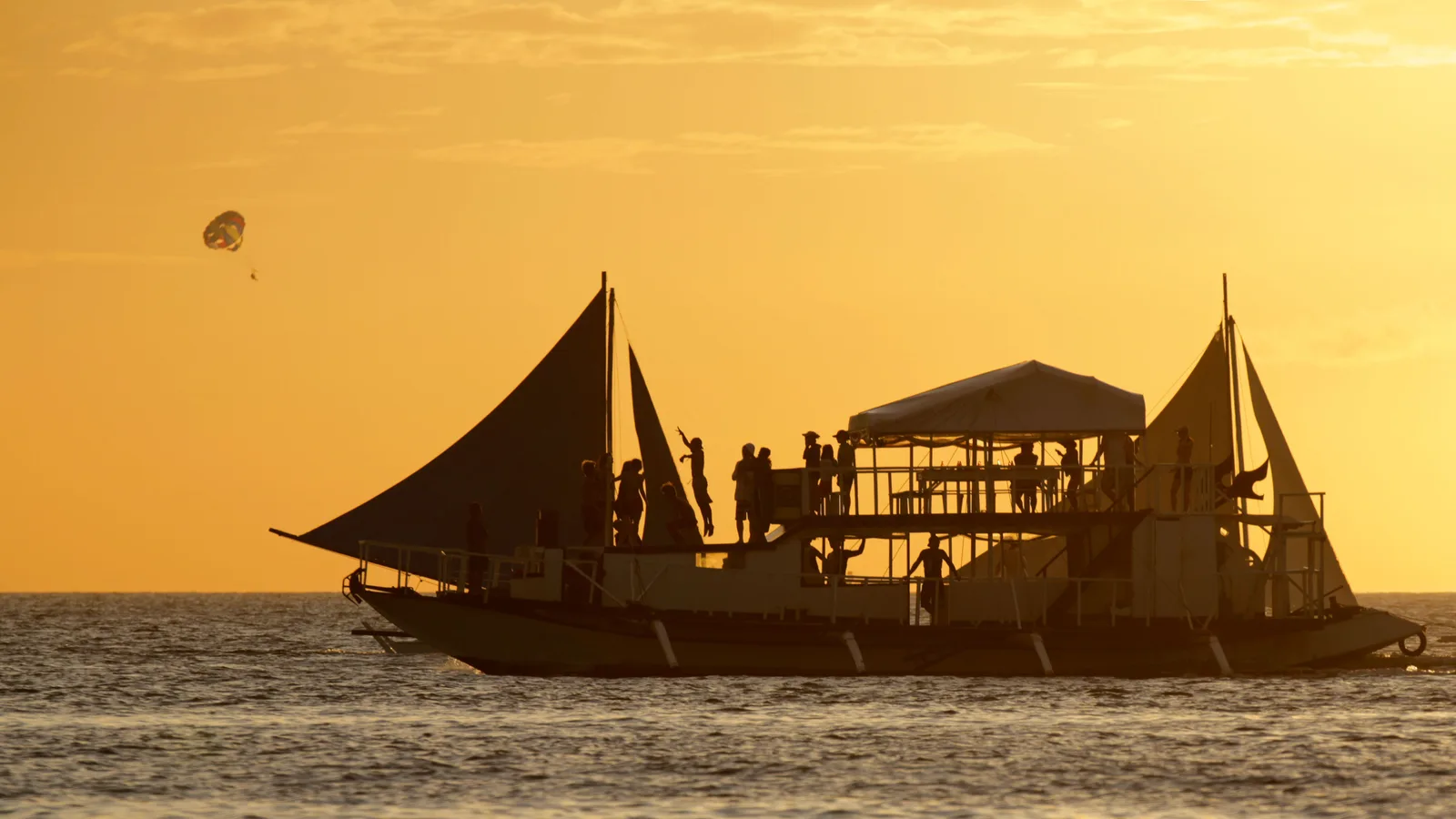
Ambassador Cruise Line review: is a no-fly UK cruise for you?
Our verdict on Ambassador Cruise Line: no-fly sailings from Tilbury, mid-sized traditional ships and value fares — plus who should book and who should not.
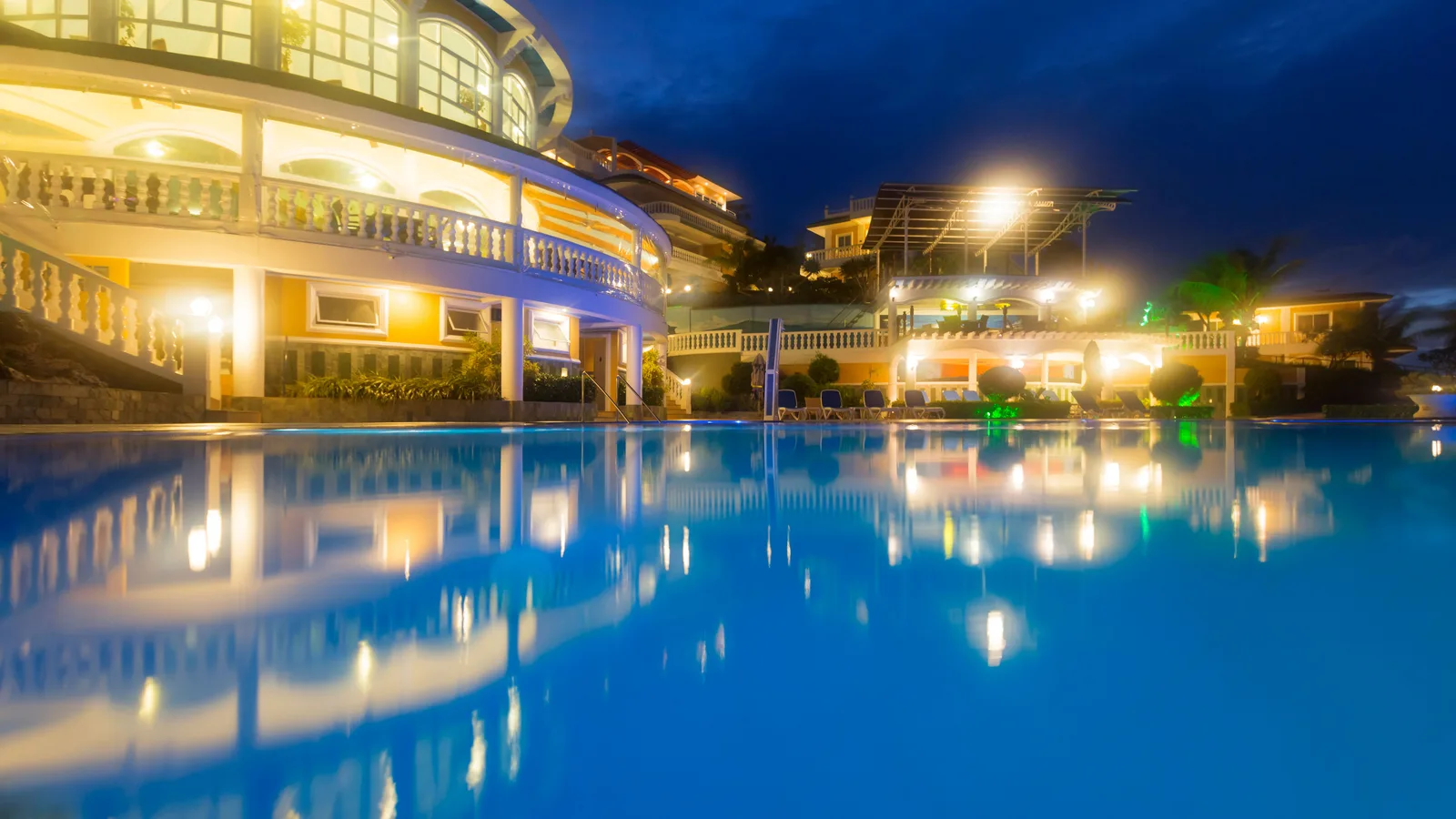
Arvia Cruise Ship Review: Is P&O's Big Ship for You?
Our Arvia cruise ship review weighs P&O Cruises' big, family-friendly ship: cabins, dining, entertainment, sea days and who it suits best.
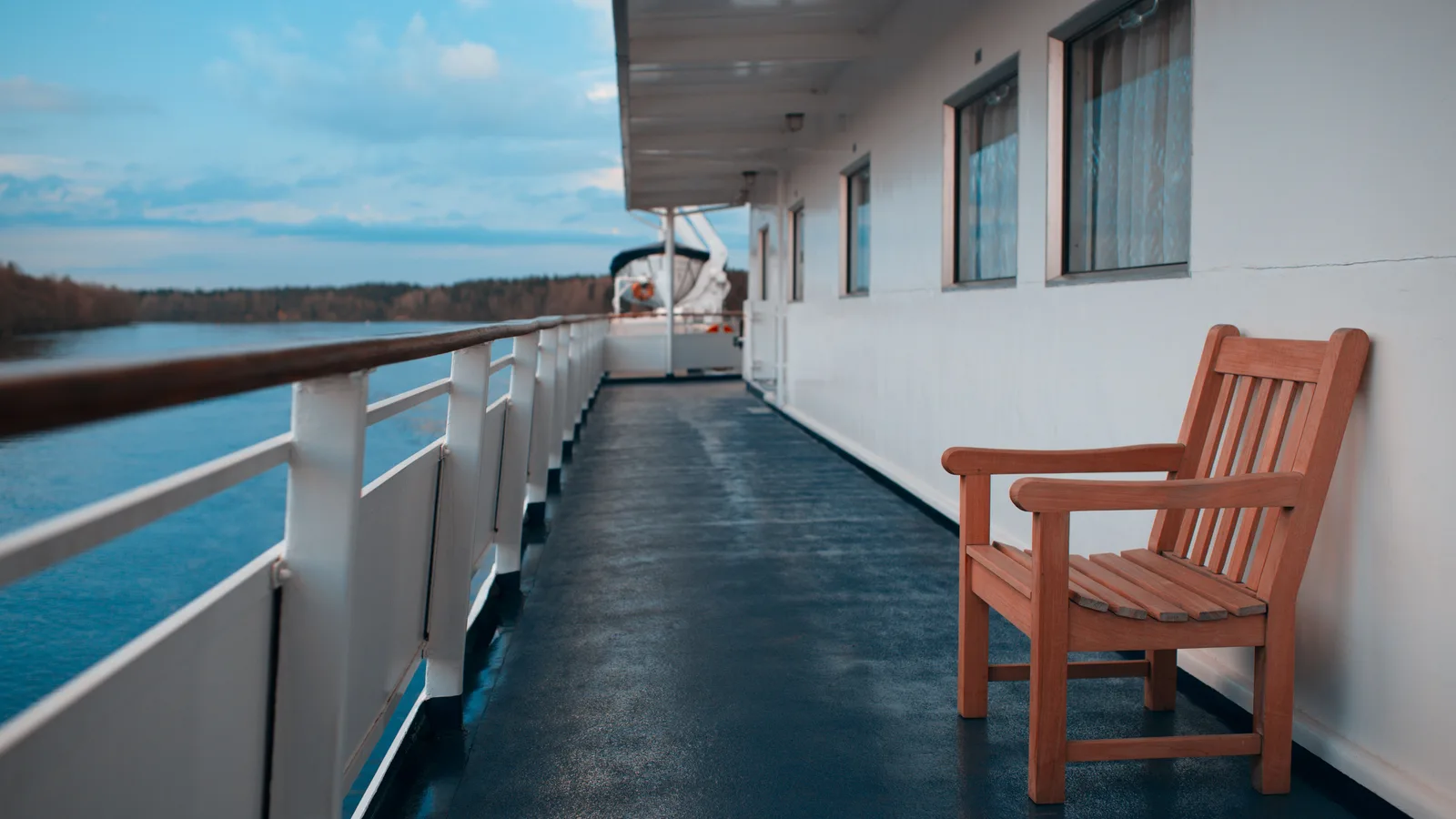
Britannia Cruise Ship Review: Is P&O's Flagship Worth It?
Our Britannia review weighs P&O's flagship against the competition: cabins, dining, entertainment, who it suits and what to know before you book.