Icon of the Seas review: is Royal Caribbean's giant worth it?
Our Icon of the Seas review weighs up the water park, cabins, dining and crowds on Royal Caribbean's biggest ship — and whether UK cruisers should book.
Icon of the Seas at a glance
Icon of the Seas is Royal Caribbean International's flagship and the lead ship of its Icon class, which entered service in January 2024. At roughly 250,800 gross tonnes and around 365 metres long, she spans 20 decks and can carry about 7,600 guests when every berth is filled, plus roughly 2,350 crew. When she launched she was the largest cruise ship afloat, and she is still one of the biggest.
She was also the first Royal Caribbean ship built to run on liquefied natural gas, which cuts the sulphur and particulate emissions that come from burning heavy fuel oil. That is unlikely to be the reason you book, but it is part of the story.
The ship is organised into eight neighbourhoods rather than one central promenade: a water park, a family zone, an adults-only beach club, an open-air garden, a glass-domed aqua theatre, an indoor high street and a private suite area. You can be on board for a week and still not see all of it.
Every sailing is a seven-night return trip from Miami, alternating Eastern and Western Caribbean routes, most of which call at Royal Caribbean's private island, Perfect Day at CocoCay. For UK readers that means a flight of around nine to ten hours before you step on board — this is not a ship you join from Southampton.
- Entered service
- January 2024
- Class
- Icon class, Royal Caribbean International
- Gross tonnage
- Roughly 250,800
- Length
- Around 365 metres
- Decks
- 20
- Guests
- Around 5,600 at double occupancy, up to roughly 7,600 at full capacity
- Crew
- Roughly 2,350
- Fuel
- Liquefied natural gas
- Home port
- Miami, Florida
- Typical sailing
- Seven nights, Eastern or Western Caribbean
Strengths and weaknesses
What it does well
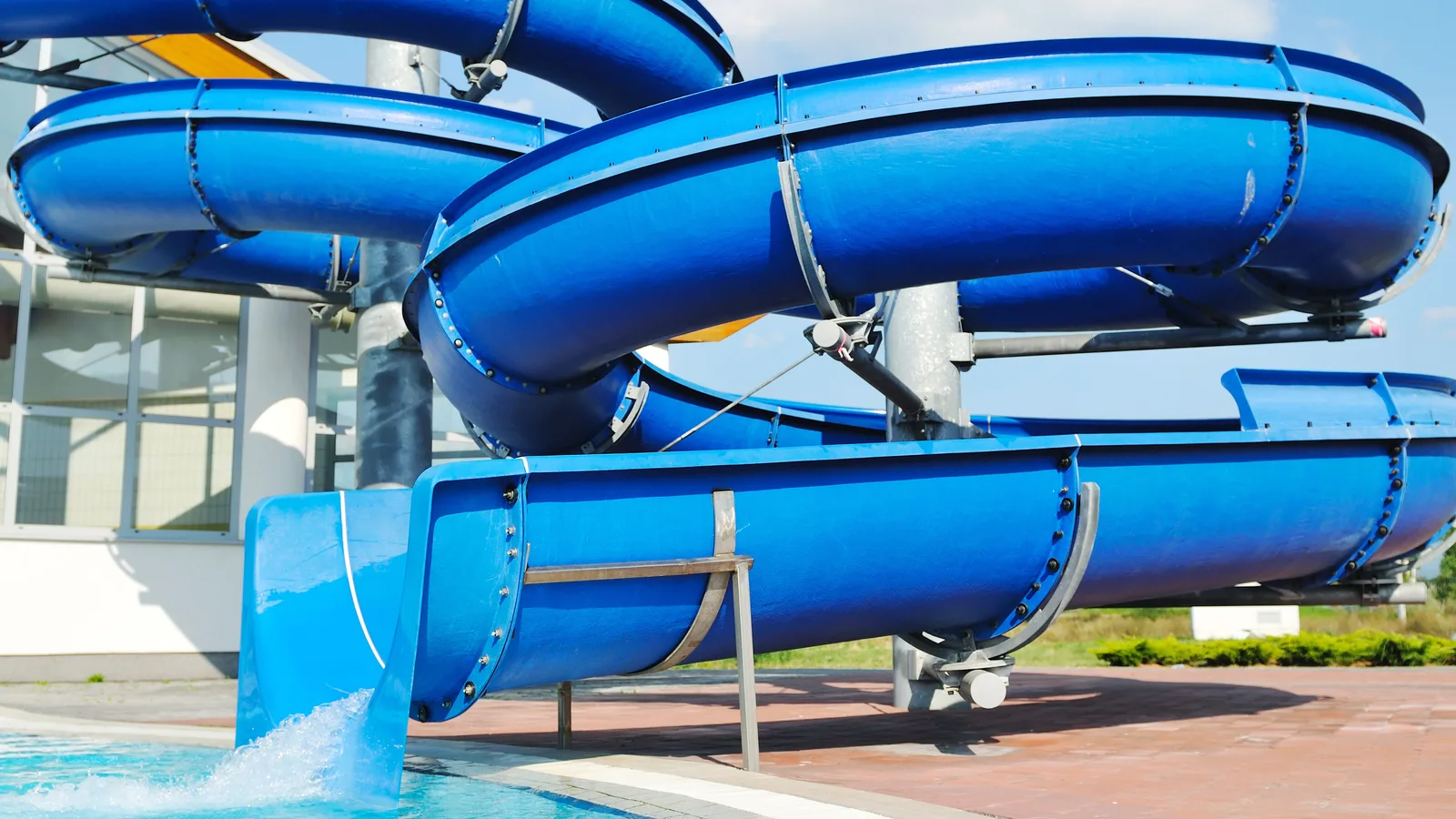
- The water park is the real thing: six slides including an open free-fall drop, plus a separate splash area for small children.
- Eight neighbourhoods genuinely spread people out, so the ship rarely feels like one heaving pool deck.
- More than 40 places to eat and drink, with a strong complimentary line-up alongside the paid venues.
- Cabins built for families, including Infinite Balcony rooms and multi-bedroom suites that sleep larger groups.
- Excellent entertainment: aqua shows under the glass dome, an ice arena and a full-scale theatre production.
- Runs on liquefied natural gas rather than heavy fuel oil, which is cleaner for the air around port cities.
Where it falls down
- Sheer scale: 20 decks and long walks between venues, so cabin location matters more than usual.
- The extras add up fast — speciality dining, drinks, wifi and some experiences all sit outside the fare.
- Sea days concentrate everyone on the upper decks and the best loungers go early.
- Caribbean-only itineraries, and every UK booking starts with a nine-hour flight to Florida.
- There is always music, an announcement or a screen; genuinely quiet corners are rare.
- School-holiday sailings carry the highest fares and the fullest ship.
- Family appeal
- 5.0/5
Purpose-built for children and teenagers, with a water park, splash zones, family cabins and clubs split by age.
- Food and drink
- 4.5/5
Over 40 venues and a broad complimentary offering, so you can eat well for a week without paying a cover charge.
- Entertainment
- 5.0/5
Aqua shows, an ice arena, a main theatre and live music in several bars, all included in the fare.
- Cabins
- 4.0/5
Clever family layouts and a new Infinite Balcony type, though standard balcony rooms are compact.
- Space and crowds on sea days
- 3.5/5
The neighbourhood plan helps a great deal, but the main pools still fill quickly on a sunny day at sea.
- Value for money
- 3.5/5
Fares run high for the class; the ship gives a lot away free, but the onboard extras are where budgets go.
What is actually on board
The neighbourhood idea is the single best decision Royal Caribbean made with this ship. Instead of one pool deck and one promenade, Icon splits the day across distinct zones: Thrill Island up top with the water park, the Crown's Edge obstacle course over the stern and the surf simulator; Chill Island with the main pools and a swim-up bar; Surfside for families with young children; and The Hideaway at the back, an adults-only beach club built around suspended infinity pools.
Indoors, Central Park is an open-air garden planted with tens of thousands of real plants and lined with speciality restaurants, while the Royal Promenade acts as the ship's high street for bars, cafés, parades and the comedy club. The AquaDome, a vast glass and steel dome at the bow, holds the aqua theatre and a complimentary food hall.
The practical effect is that a family with a nine-year-old, a couple in their thirties and two grandparents can all disappear in different directions after breakfast and meet for dinner with something to talk about.
| Neighbourhood | What you will find | Best for |
|---|---|---|
| Thrill Island | Water park with six slides, Crown's Edge, surf simulator, mini golf, sports court | Teenagers and anyone who wants adrenaline |
| Chill Island | Main pools, swim-up bar, rows of loungers, sea views on three sides | A classic pool day in the sun |
| Surfside | Shallow splash area, casual eateries, family cabins and suites close by | Parents with children under 12 |
| The Hideaway | Adults-only beach club with suspended infinity pools at the aft | Couples and groups without children |
| AquaDome | Glass dome, aqua theatre, food hall, The Overlook observation space | Evening shows and a quiet drink with a view |
| Central Park | Open-air garden, speciality restaurants, Trellis Bar | A calmer dinner or a pre-dinner drink |
| Royal Promenade | Indoor high street with bars, cafés, parades and the comedy club | Late nights and people-watching |
| Suite Neighbourhood | Private sun deck, lounge and restaurant for suite guests | Suite bookers who want a ship within a ship |
Cabins: what to book, and what to think twice about
Cabin categories run from inside and ocean-view rooms up through balconies, suites and the new Infinite Balcony, which replaces the traditional outdoor balcony with a full-height window that lowers electronically, turning the sitting area by the glass into open air. There are also family-specific layouts: Infinite Balcony cabins that sleep five or six, Surfside family suites positioned next to the children's areas, and a small number of very large multi-bedroom suites.
Location matters more here than on most ships. A cabin mid-ship puts you within reasonable walking distance of everything and rides the swell better in choppy weather. Aft cabins are handy if you plan to spend your evenings at The Hideaway or watching the wake; forward cabins near the AquaDome suit anyone who wants the shows and the food hall on the doorstep. Cheap cabins at the far ends of a 365-metre ship will have you clocking up serious steps.
Book the grade you actually want rather than hoping for an upgrade. On a ship this popular, the family cabins and the aft balconies sell out first, often a year ahead for school-holiday dates.
Food and drink: included versus extra
The complimentary side of the ship is broader than you might expect. The main dining room, the Windjammer buffet, the AquaDome food hall with its several stalls, Park Café, the pizza counter on the promenade and the Mexican spot on the pool deck are all covered by your fare, as are the casual venues in Surfside. A family can eat three meals a day for a week without spending anything extra and still have variety.
The paid restaurants are where the ship shows off: a steakhouse, an Italian kitchen and wine bar, a Japanese counter, a seafood spot and the small, theatrical Empire Supper Club, which is the most expensive table on board and books up early. Speciality dining is genuinely good, but it is a supplement, not a necessity.
Drinks work the same way. Coffee, tea, juice and water are included; anything with bubbles or alcohol is not, and the bar list is long, with a swim-up bar, a rum bar on the pool deck, a schooner-style pub and a live music hall. Work out what you would realistically drink before buying a package — many people overestimate.
Entertainment and things to do
This is where Icon earns its fare. The aqua theatre under the glass dome puts on diving and acrobatics shows with a moving stage and a serious sound system; the ice arena hosts full skating productions and is the largest at sea; the main theatre stages a full-length, Broadway-style production with proper sets. All of it is included.
Daytime is just as packed. Beyond the water park, there is the surf simulator, a rock climbing wall, a nine-hole mini golf course, a sports court, an arcade and a spa and gym that are large enough to absorb a lot of people. Crown's Edge — part ropes course, part thrill ride — hangs guests out over the side of the ship and has height and weight restrictions, so check before you queue with an eager ten-year-old.
Evenings split between the big shows, live bands, a comedy club, a piano bar and a nightclub. The one thing you cannot do on Icon is be bored.
Where Icon of the Seas falls short
- Crowds on sea days. The neighbourhood layout thins people out most of the time, but a sunny day at sea still fills the main pools, the water park queues and the surrounding loungers. If a specific spot matters to you, get there early.
- The extras bill. Speciality restaurants, drinks packages, wifi, spa treatments and some experiences sit outside the fare. On a seven-night sailing for a family of four, saying yes to everything can rival the cost of the cruise itself.
- Walking. Twenty decks and a 365-metre hull mean a lot of steps. A cabin at the wrong end of the ship turns every dinner into a hike, and the lifts are busy at peak times.
- Itinerary depth. Seven nights, Caribbean only, usually three or four ports with the rest at sea. If you cruise for the destinations rather than the ship, this is the wrong vessel.
- Noise. There is always music, always a screen, always something happening. Anyone who cruises for a quiet library and a string quartet will find very little of either.
- The flight. From the UK it is a long-haul trip with jet lag on arrival, and school-holiday dates push fares up sharply.
Is Icon of the Seas worth the money?
Fares sit at the top of the mainstream market, and there is no pretending otherwise: you pay a premium for the newest, biggest ship in the fleet. What you get for it is unusually generous. The water park, the theatre production, the ice shows, the aqua shows, the kids' clubs, the gym and most of the food are all in the price, and you could sail for a week without buying anything beyond the fare.
Where the value calculation goes wrong is the add-ons. A drinks package for four, three speciality dinners, wifi for the teenagers and a couple of shore excursions will comfortably add several hundred pounds to the bill. Go in with a budget and decide in advance which extras are worth it to you.
Against older, smaller ships the premium buys genuine novelty — the water park and the neighbourhood layout have no real equivalent elsewhere in the fleet. Against a quiet, port-heavy cruise on a mid-sized ship, it is a completely different product rather than better value.
Booking advice for UK cruisers
-
Pick the itinerary before the cabin
Icon alternates Eastern and Western Caribbean routes. Eastern sailings lean towards the Virgin Islands and St Maarten; Western routes add Mexico and Honduras. Check which ports appeal and whether the sailing you are looking at includes Perfect Day at CocoCay, which is the highlight for most families.
-
Decide between a package and DIY flights
A fly-cruise package from a UK agent bundles flights, Miami transfers and often a hotel night before you board. It usually costs more, but someone else is responsible if a flight is delayed. Booking flights separately is often cheaper — just build in a buffer day before the sailing.
-
Choose the cabin location, not just the grade
Mid-ship is the best all-rounder for walking distances and motion. Aft suits Hideaway regulars and wake-watchers; forward suits anyone who wants the AquaDome on the doorstep. Family cabins and aft balconies sell out first, especially for school holidays.
-
Pre-book the extras you know you want
Speciality restaurants, drinks packages and shore excursions can all be reserved before you sail, which secures your preferred times and spreads the cost. Book the Empire Supper Club early if it appeals — it is the smallest table on board.
-
Sort the paperwork well ahead
You need a passport valid for the trip, a US ESTA for the flight and any Miami stopover, and travel insurance that specifically covers cruising and the ports on your route. Do this as soon as you book rather than the week before.
-
Plan port days around the ship, not against it
On a ship this size, sea days are the main event. If you want time in the water park and the shows, think carefully before booking an excursion at every port — a couple of ship days will get far more out of the fare.
Icon of the Seas: common questions
Does Icon of the Seas sail from the UK?
No. She is based in Miami and runs seven-night Caribbean cruises year-round, so British passengers need a long-haul flight to Florida and an ESTA before joining the ship.
How many passengers are on board?
Around 5,600 at double occupancy, rising to roughly 7,600 when every berth is taken. She is looked after by about 2,350 crew.
Is it a good ship for adults travelling without children?
It can be, provided you like a lively ship. The Hideaway is an adults-only area with infinity pools, and the speciality restaurants and late bars give you space away from the family zones — but the ship never becomes quiet.
Do you have to pay extra to eat on board?
No. The main dining room, the buffet, the AquaDome food hall, Park Café, the promenade pizza counter and the pool-deck Mexican venue are included. The steakhouse, Italian kitchen, Japanese counter, seafood restaurant and Empire Supper Club carry a supplement.
Are the shows included in the fare?
Yes. The theatre production, the ice shows, the aqua theatre shows and the live music venues are all included. Some late-night or speciality experiences may not be, so check the daily programme.
Related articles
Ambassador Cruise Line review: is a no-fly UK cruise for you?
Our verdict on Ambassador Cruise Line: no-fly sailings from Tilbury, mid-sized traditional ships and value fares — plus who should book and who should not.
Arvia Cruise Ship Review: Is P&O's Big Ship for You?
Our Arvia cruise ship review weighs P&O Cruises' big, family-friendly ship: cabins, dining, entertainment, sea days and who it suits best.
Britannia Cruise Ship Review: Is P&O's Flagship Worth It?
Our Britannia review weighs P&O's flagship against the competition: cabins, dining, entertainment, who it suits and what to know before you book.