Oceania Cruises Review: Premium Cruising, Honestly Rated
An honest Oceania Cruises review for UK travellers: food, ships, itineraries, what's included and who this premium line really suits.
What Oceania Cruises is — and who it is for
Oceania Cruises sits in the premium tier of the cruise market: a clear step above the big mainstream lines on food, space and service, and a step below the all-suite ultra-luxury operators. It is part of Norwegian Cruise Line Holdings, and its fleet is deliberately mid-sized — small enough to slip into harbours that megaships skip, large enough to carry several restaurants, a proper spa and a theatre.
The product is built around long, port-heavy itineraries rather than floating resorts. Think fewer sea days, longer calls, occasional overnights in cities, and a passenger mix of well-travelled couples, usually 50-plus, who care more about where they wake up and what they eat that evening than about waterslides or spectacle entertainment. It is quiet, civilised and unapologetically adult.
Strengths and weaknesses
What Oceania does well
- Cooking that compares with far more expensive lines, with speciality restaurants typically included rather than surcharged
- Mid-size ships that dock close to town and spend longer in port, often with an overnight call
- A calm, uncrowded feel: few queues for tenders, no formal nights and a relaxed dress code
- Genuinely interesting routes — the Mediterranean, northern Europe, Asia, South America, the South Pacific and a long world voyage
- Comfortable cabins with sensible storage, especially on the larger and newer ships
Where it falls short
- Fare structures are complicated; what is included depends on the promotion you booked under
- Evening entertainment is low-key by design — small bands and guest speakers rather than production shows
- The four smallest ships are the oldest in the fleet, with fewer restaurants and smaller bathrooms
- Not built for families: facilities for children are minimal and teenagers will be bored
- Shoreside admin takes patience — allow time for queries about flights, transfers and visas
How Oceania scores on the things that matter
- Dining
- 4.5/5
The strongest reason to book: included speciality restaurants, a serious wine list and consistently good main dining rooms.
- Itineraries and time in port
- 4.5/5
Port-heavy routes, longer calls and overnights; the smaller ships reach harbours the big lines cannot enter.
- Space and atmosphere on board
- 4.0/5
Mid-size ships rarely feel crowded, though pool decks on the older vessels are compact.
- Cabins
- 4.0/5
Well laid out and comfortable throughout; the newest ships have the best bathrooms and storage.
- Value for money
- 3.5/5
Rarely the cheapest headline fare — judge it on the total of fare, drinks, gratuities and excursions.
- Family appeal
- 2.0/5
Few facilities for children and no big-ship razzle-dazzle; better suited to adults travelling without children.
The fleet: choosing the right ship
Oceania's fleet divides into three groups, and the ship you pick matters as much as the route.
The four smaller ships — Regatta, Insignia, Nautica and Sirena — carry a few hundred guests each and are the oldest in the fleet. They are the best choice for long voyages and for ports where size is an advantage, but expect fewer dining rooms and a more traditional feel on board.
Marina and Riviera are the largest and most restaurant-heavy, with four speciality venues and a hands-on cookery school. They suit travellers who want choice on board without megaship crowds.
Vista and Allura are the newest ships: contemporary cabins, brighter public rooms and a fresh set of dining concepts. They are the obvious pick for a first Oceania cruise if the itinerary allows.
- Smaller ships (Regatta, Insignia, Nautica, Sirena)
- Roughly 680 guests; best for smaller harbours and long voyages
- Larger ships (Marina, Riviera)
- Around 1,250 guests; the widest choice of restaurants and a cookery school
- Newest ships (Vista, Allura)
- Around 1,200 guests; the most contemporary cabins and public rooms
- Evening dress code
- Country-club casual, with no formal nights required
- Typical voyage length
- Seven to 14 nights, plus longer grand voyages and a world cruise
- Ownership
- Miami-based, part of Norwegian Cruise Line Holdings
Dining: the main event
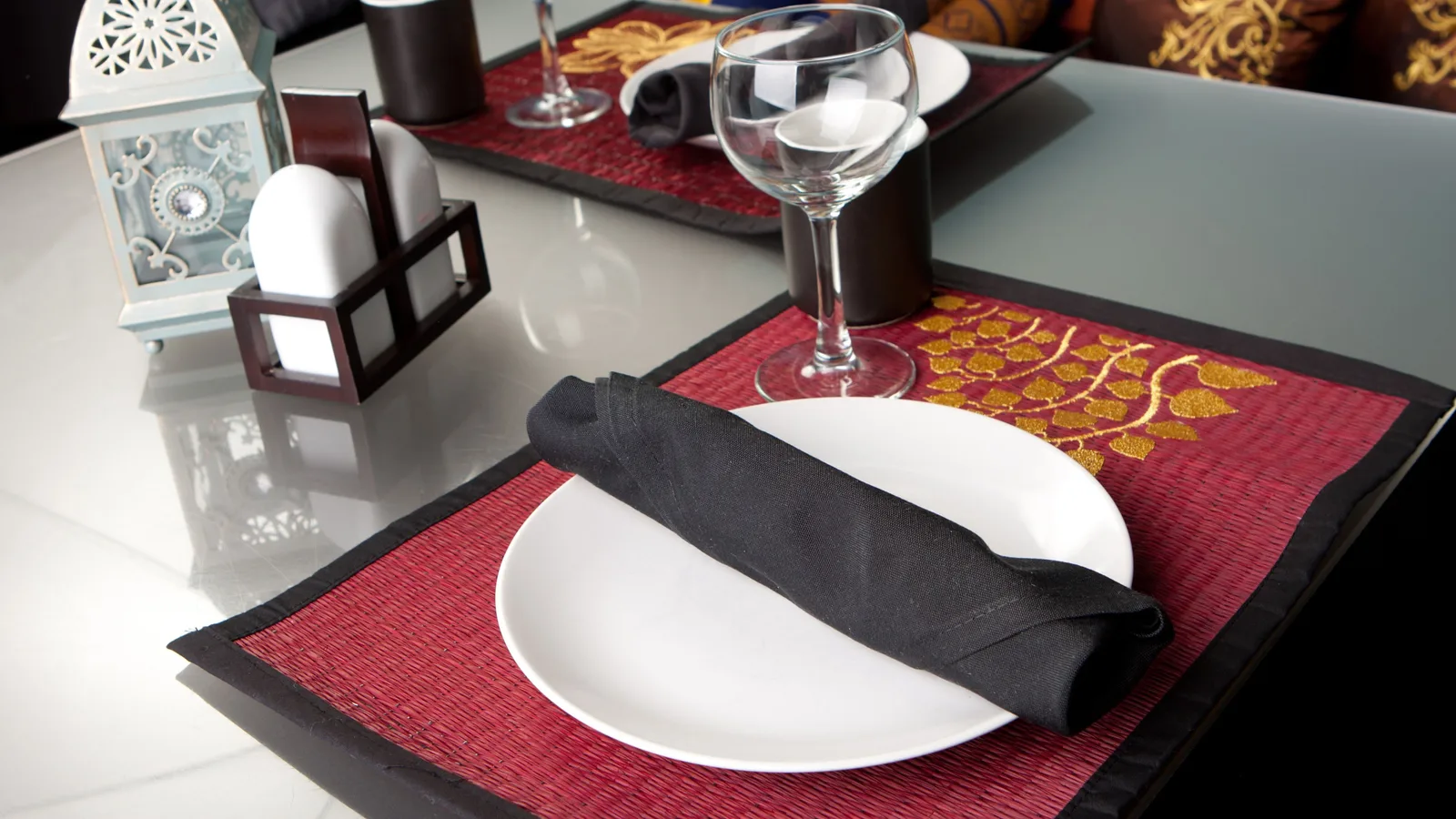
Food is the reason most people book Oceania, and it is the line's strongest card. Its long-standing marketing line about serving the finest cuisine at sea is puffery, but the substance behind it is real: a main dining room with a changing menu of French- and Italian-leaning classics, a buffet that turns into something closer to a sit-down meal in the evening, and speciality restaurants covering Italian, steakhouse, Asian and French cooking — typically without a cover charge.
The wine list leans Old World and is priced both by the bottle and by the glass. A drinks package makes sense only if you drink consistently at lunch, dinner and in the bars; otherwise pay as you go and put the difference towards a shore excursion.
Menus are broad enough for most diets, and special requests are easiest to arrange when you flag them at the time of booking rather than on the night.
Itineraries, ports and time ashore
This is where Oceania earns its fare. Routes are built around destinations rather than sea days, and the line is fond of pairing a headline city with two or three smaller calls that larger ships simply cannot make. Overnights in port are common on the longer Mediterranean and Asian voyages, which gives you an evening ashore without watching the clock.
Europe dominates the summer programme, with the Mediterranean, Adriatic, Aegean and northern Europe all well covered. Winter sends ships to the Caribbean, Asia, South America and the South Pacific, and the line runs an annual world voyage that can be bought in segments if several months on board is too much.
Shore excursions are the weakest value on board. They are convenient and well organised, but private guides and local transport arranged in advance are often cheaper for two or more people, particularly in Mediterranean ports where the dock is a short walk from town.
What is included — and what is not
Oceania's pricing has two layers: the cruise fare itself and whatever promotion was running when you booked. Broadly speaking:
- Always in the fare: accommodation, the main dining room and buffet, most speciality restaurants, still and sparkling water, speciality coffee and tea, group fitness classes, and shuttle buses in many ports.
- Sometimes in the fare: a house drinks package, Wi-Fi, gratuities, a shore-excursion credit and flights — these are the components bundled into the line's inclusive promotions.
- Almost always extra: premium spirits, wine by the bottle, shore excursions beyond any credit, spa and salon treatments, and cookery or wine-tasting classes.
Because promotions change, two passengers in identical cabins on the same sailing can be travelling on very different deals. Always ask what the fare includes in writing before you pay a deposit.
Who should book — and who should look elsewhere
Book Oceania if you are a couple or a solo traveller who treats a holiday as a series of places and meals rather than a programme of activities. It suits second-time cruisers who have done the big resorts-at-sea and want something calmer, and it suits anyone who will actually use three or four speciality restaurants in a week.
Think twice if you are travelling with children, if you need a full entertainment schedule after dinner, or if you want one price to cover everything without thinking about it. Families are welcomed but the offering is thin, and the passenger mix on longer voyages skews older still.
Solo travellers should price the single supplement carefully before committing — it is the item that most often turns a good-value cruise into an expensive one.
Practical buying advice
-
Choose the itinerary before the ship
Start with the route and the dates, then check which ship operates it. On a port-heavy cruise you will spend more waking hours ashore than on board, so the destinations matter more than the deck plan.
-
Price cruise-only against the inclusive fare
Ask for both quotes on the same cabin and sailing, then add drinks, gratuities, Wi-Fi and excursions to the cruise-only figure. Compare the totals rather than the headline prices.
-
Match the cabin grade to your days at sea
On port-intensive routes an inside or ocean-view cabin is easy to justify; on crossings and long voyages a veranda earns its premium. Check whether a higher grade also brings priority restaurant reservations, because that can matter more than the extra space.
-
Budget for the extras that are never included
Shore excursions, spa treatments, premium drinks and speciality dining beyond the included venues are the four lines that inflate the onboard account. Set a daily figure before you sail.
-
Check protection, visas and insurance before the balance is due
Book through a UK agent with ABTA or ATOL cover, confirm which visas your route requires, and take out cruise-specific travel insurance that covers missed ports and medical repatriation at sea.
Oceania Cruises: frequently asked questions
Is Oceania Cruises a luxury line?
It describes itself as a premium line rather than an ultra-luxury one. Fares generally sit between mainstream and all-inclusive luxury operators, and some extras are still charged on board.
What is the dress code on board?
Evenings are country-club casual: collared shirts and trousers or smart jeans for men, comparable for women. There are no formal nights, and swimwear and shorts are not worn in restaurants in the evening.
Are drinks included in the fare?
It depends on the fare you book. Inclusive promotions have bundled a house drinks package, while cruise-only fares charge per drink. Premium spirits and wine by the bottle are always extra.
Is Oceania suitable for children?
Children are welcome, but facilities are limited and there are few organised activities. The passenger mix is predominantly adult, especially on longer and more exotic voyages.
How long are typical Oceania cruises?
Most sailings run from seven to 14 nights, with longer grand voyages of several weeks and an annual world cruise that can be bought in segments.
Do Oceania fares include flights from the UK?
Many fares sold in the UK are packaged with flights and transfers, but cruise-only pricing is also available. Always compare like for like before deciding which is better value.
Related articles
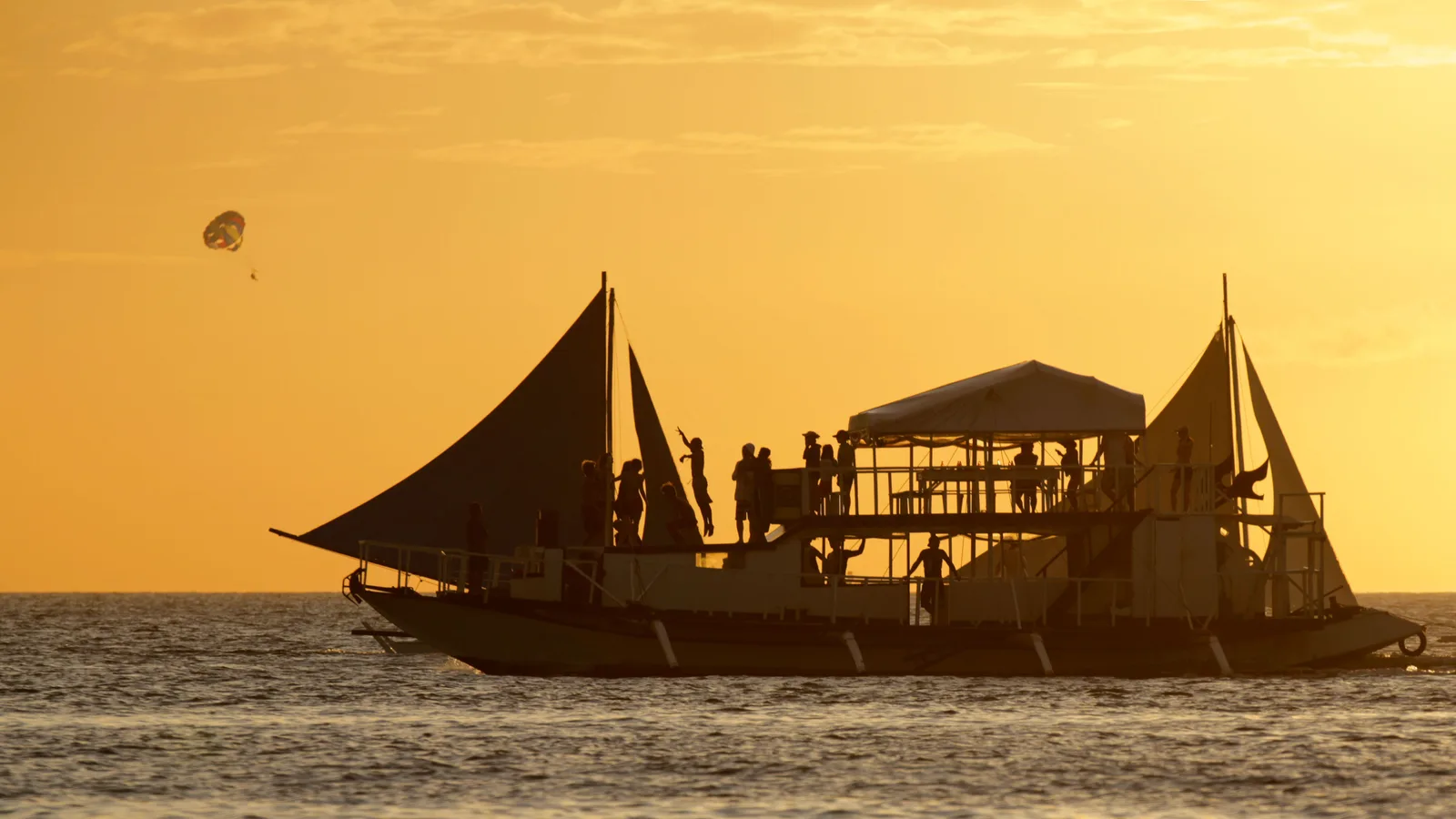
Ambassador Cruise Line review: is a no-fly UK cruise for you?
Our verdict on Ambassador Cruise Line: no-fly sailings from Tilbury, mid-sized traditional ships and value fares — plus who should book and who should not.
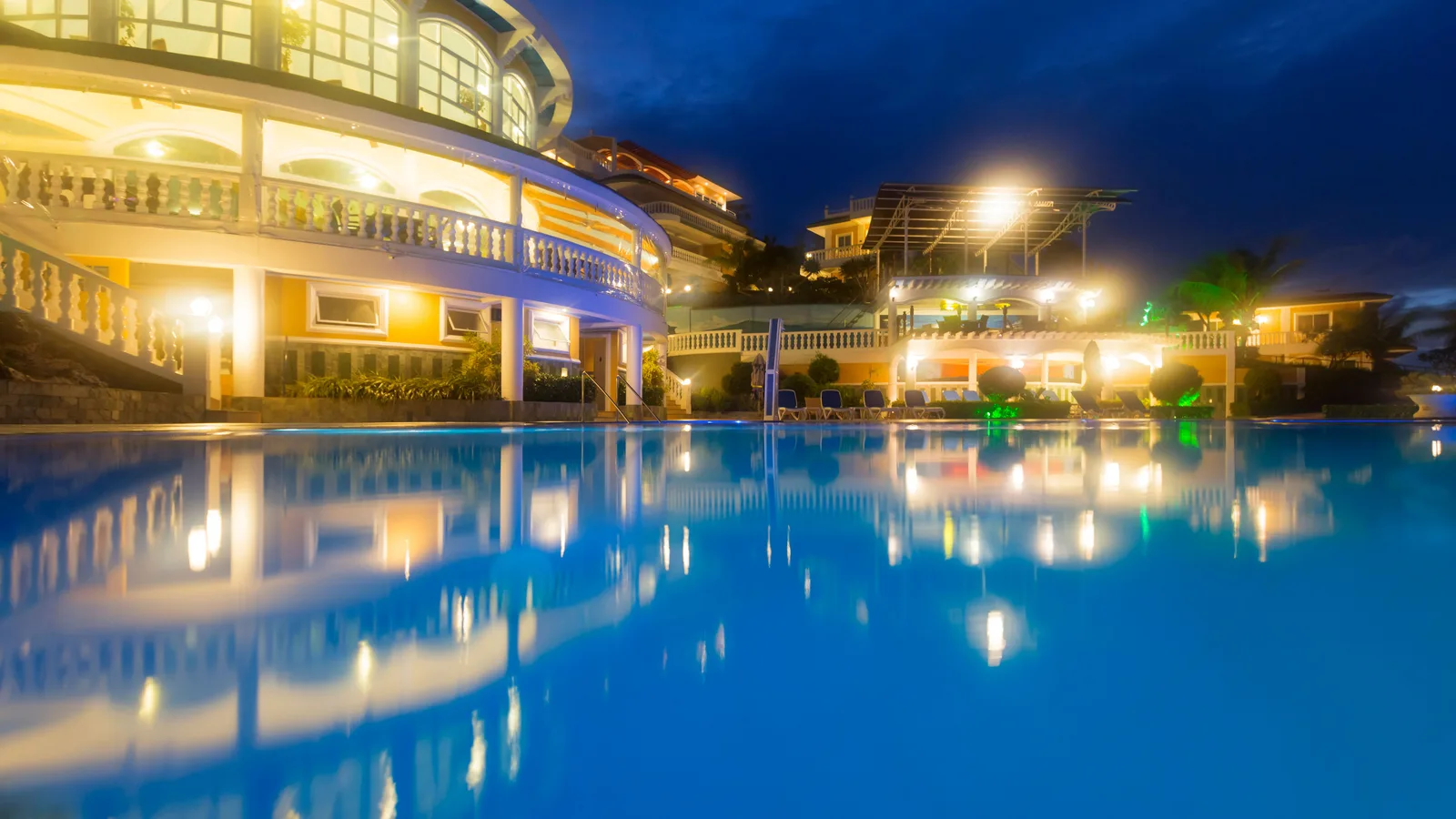
Arvia Cruise Ship Review: Is P&O's Big Ship for You?
Our Arvia cruise ship review weighs P&O Cruises' big, family-friendly ship: cabins, dining, entertainment, sea days and who it suits best.
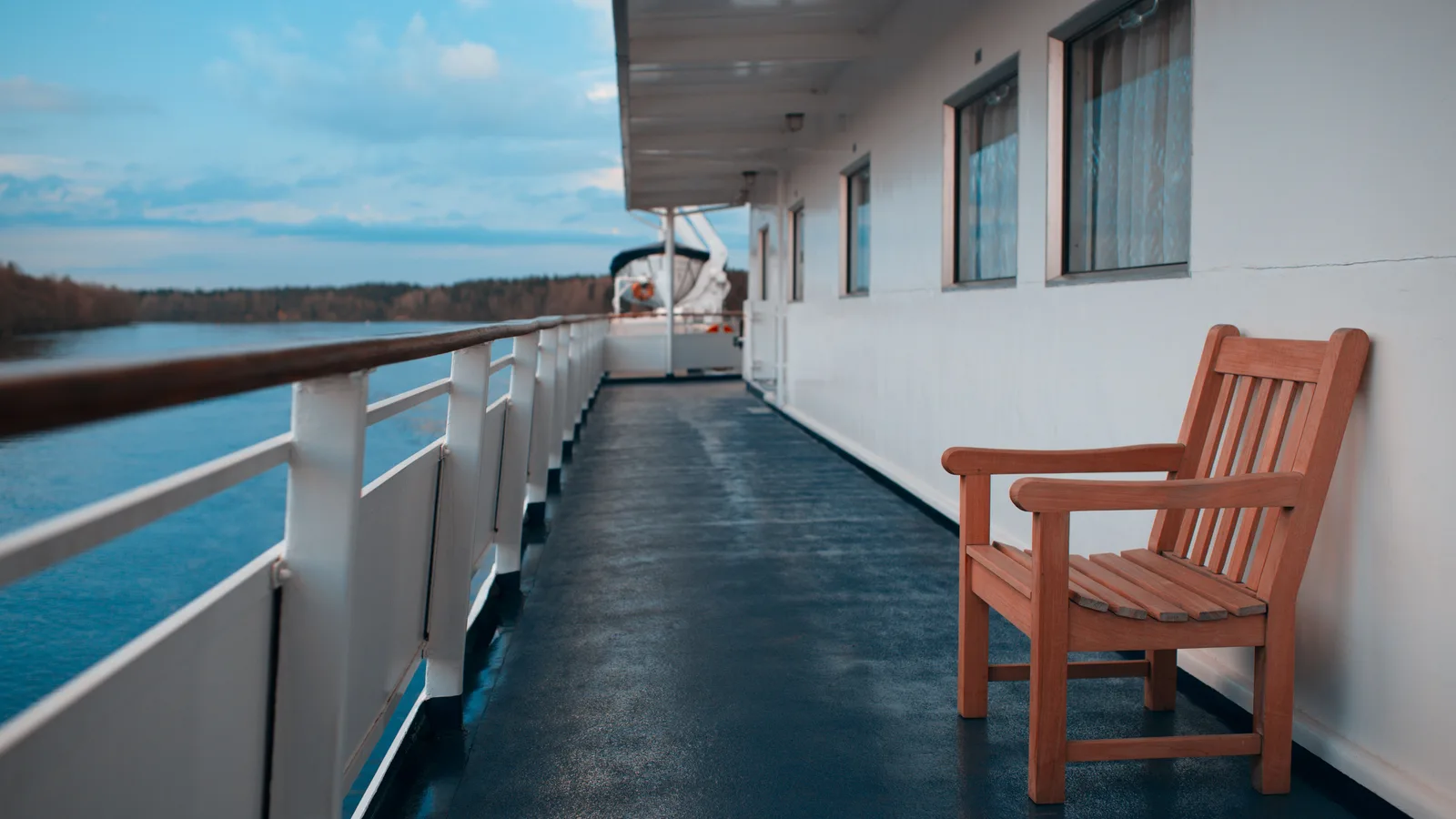
Britannia Cruise Ship Review: Is P&O's Flagship Worth It?
Our Britannia review weighs P&O's flagship against the competition: cabins, dining, entertainment, who it suits and what to know before you book.