P&O Cruises review: is a no-fly cruise worth it?
An honest P&O Cruises review for British travellers: what the fares cover, which ships suit which holiday, and the catches to know before you book.
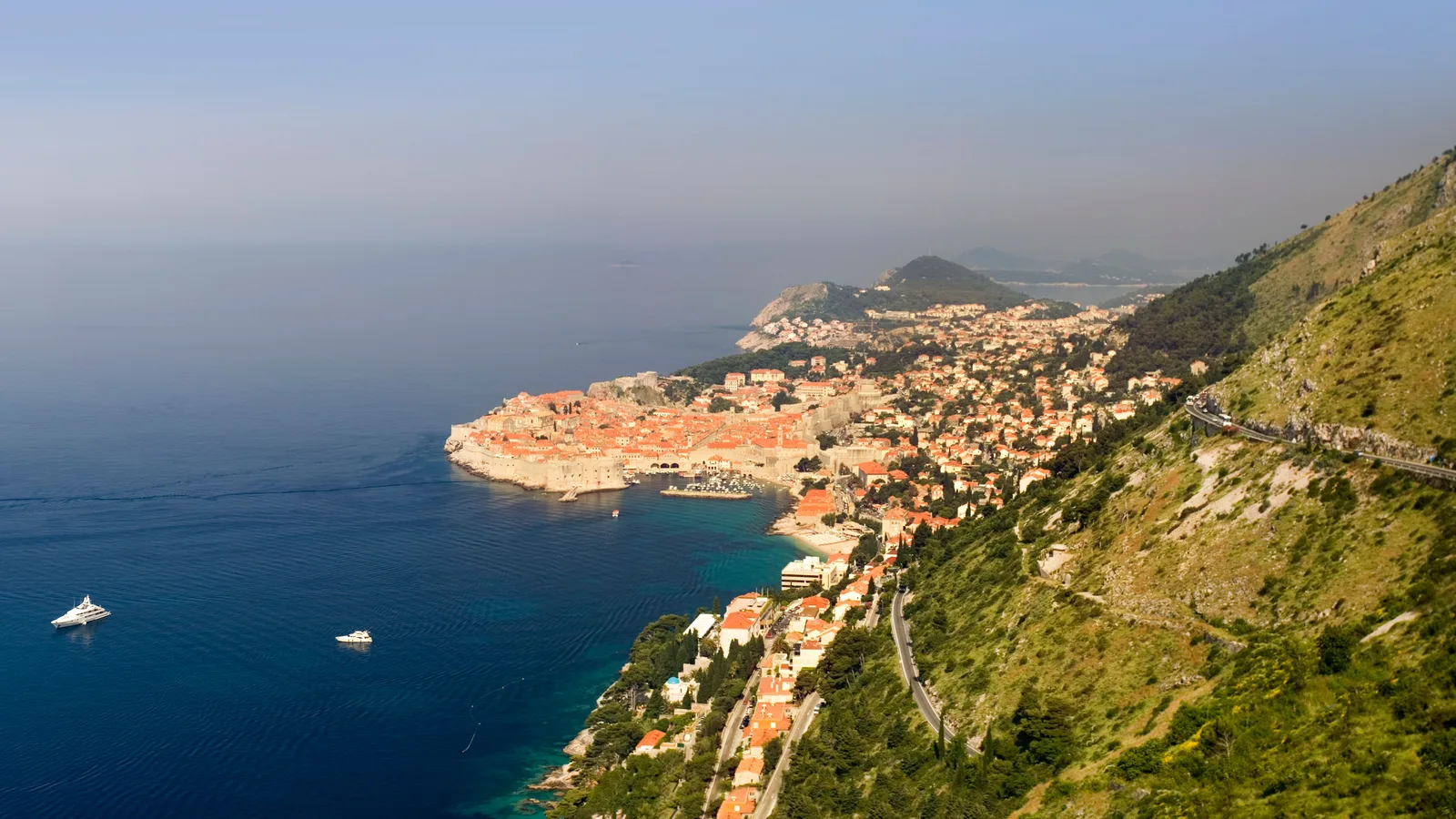
P&O Cruises review: the short version
This review is an assessment of what P&O Cruises sells and how the product is put together, not a diary of a particular sailing. It focuses on the things that decide whether a holiday is good value: what the fare covers, how the ships differ, and where the costs mount up after booking.
What P&O Cruises is and who it is for
P&O Cruises is the best-known British cruise line: a fleet aimed squarely at UK holidaymakers, sailing mostly from Southampton and priced in pounds rather than dollars. That home-market focus shapes almost everything — the food, the entertainment, the school-holiday calendar, and the fact that most holidays begin with a drive to the south coast rather than a flight.
It is a mainstream, full-board line, not a luxury one. Your fare covers your cabin, meals in the main dining rooms and buffet, theatre shows and most daytime activities. Drinks, speciality restaurants, spa treatments, shore excursions and wifi are charged on top.
The fleet splits into three broad groups: the large family ships (Iona, Arvia and Britannia), the mid-size family ships (Azura and Ventura), and two adults-only vessels (Aurora and Arcadia). That spread is the line's biggest practical advantage, because the same brand can serve a young family in the school holidays and a couple who want a quiet fortnight with no children aboard.
- Departure port
- Southampton, with no-fly sailings the norm
- Onboard currency
- Pound sterling
- Gratuities
- Included in the fare rather than added to your account
- Adults-only ships
- Aurora and Arcadia
- Largest ships
- Iona and Arvia
- Loyalty club
- Peninsular Club, with tiers based on nights sailed
- Dining included
- Main dining rooms, buffet and casual poolside venues
- Charged extra
- Drinks, speciality restaurants, spa, excursions, wifi
Strengths and weaknesses
What P&O does well
- No-fly departures from Southampton remove airport stress, baggage limits and transfer costs from the budget.
- Sterling pricing and included gratuities make the total cost easier to work out than on dollar-priced lines.
- A genuinely wide fleet: huge family ships, mid-size vessels and two adults-only ships under one brand.
- Included dining is solid, so speciality restaurants feel like a treat rather than a necessity.
- Strong for mixed-age groups, with children's clubs on the family ships and adult-only spaces for the grandparents.
Where it falls short
- The biggest ships are built for volume; pools, lifts and popular bars get crowded in school holidays.
- Early Saver fares are cheap because you don't choose your cabin and the change terms are tight.
- Nothing is truly all-inclusive — drinks, speciality dining, wifi and excursions all land on your onboard account.
- Adults-only choice is limited to two older, smaller ships, so there's no modern adults-only flagship.
- Entertainment is broad-appeal and traditional rather than innovative.
How P&O scores on the things that matter
- Value for money
- 4.5/5
Fares undercut most dollar-priced rivals once included gratuities, sterling pricing and the absence of flights are counted.
- Food and drink
- 4.0/5
Main dining rooms and buffet are included and reliable; speciality venues are worth a night or two but cost extra, as does every drink.
- Cabins and comfort
- 3.5/5
Standard cabins are compact and practical; balconies are worth the premium, but entry-grade interiors are tight for a fortnight.
- Entertainment
- 4.0/5
Big theatre productions, guest acts and live music across the bars. Variety-hall rather than cutting edge, and none the worse for it.
- Family facilities
- 4.0/5
Children's clubs, family cabins and pools on the family ships. The adults-only ships are the mirror image.
- Booking flexibility
- 3.0/5
Early Saver fares are keenly priced but allocate the cabin and carry tighter change and cancellation terms.
The pattern is consistent: P&O scores well where the fare is doing the work — price, included food, family logistics — and less well where you want choice and flexibility. Anyone booking on price alone should read the fare conditions before paying a deposit.
The fleet: which ship suits which holiday
Choosing the ship matters more than choosing the itinerary on P&O, because the experience on Iona is very different from the experience on Aurora. The two largest ships are the modern, balcony-heavy flagships built for families and warm-weather sailings; the mid-size pair sit in the middle; the two adults-only ships are smaller, older and quieter, and suit longer itineraries and travellers who want calm.
| Ship | Character | Best suited to |
|---|---|---|
| Iona | Largest class, built around sea views, extra outdoor space and family facilities | Families and first-timers wanting a modern big ship |
| Arvia | Iona's sister ship, configured for warmer-weather itineraries with more outdoor dining and entertainment | Sunseekers and families travelling in the school holidays |
| Britannia | The previous flagship: big-ship scale with a traditional British feel | Cruisers who want size without the newest ship premium |
| Azura | Mid-size and family-friendly, with an outdoor cinema screen among the evening options | Families with older children and couples wanting a mid-size ship |
| Ventura | Mid-size family ship with a busy programme of bars and venues | Families and groups who like company and a lively atmosphere |
| Arcadia | Adults-only, smaller and noticeably quieter, with a more traditional layout | Couples and solo travellers who want no children aboard |
| Aurora | Adults-only and the most compact of the fleet, with a classic cruise-ship feel | Longer itineraries and travellers who prefer a smaller ship |
Food, drink and onboard spending
Included dining is a genuine strength for the price. The main dining rooms serve a changing menu of British-leaning dishes, at set sittings or with flexible times depending on the ship, and the buffet handles breakfast and lunch well — it's where most people eat on port days. A poolside grill and one or two casual venues fill the gaps.
Speciality restaurants — steakhouses, Asian and Indian venues depending on the ship — carry a cover charge and are usually worth one or two nights. They are an add-on, not a necessity; you can eat well for a week without booking one.
Drinks are the biggest variable cost. Bar prices are in sterling and broadly pub-like for the UK market, and drinks packages are sold per person, per day. Do the sums against what you would realistically drink on a port-heavy itinerary before committing — sea days and late nights change the arithmetic.
Cabins and fares: how to choose
Cabin grades run from inside and sea-view cabins through balconies to suites, with a small number of single cabins on some ships for solo travellers. Balconies are the sweet spot on the newer ships, where the cabin is designed around the view; on older ships, a sea-view cabin on a lower mid-ship deck is the calmer, cheaper choice if you're prone to motion.
Fares come in two main shapes. Select fares cost more but let you pick your cabin and give you more flexibility if plans change; they are also where P&O attaches promotional extras such as onboard credit when an offer is running. Early Saver fares are cheaper but the cabin is allocated by the line rather than chosen by you, and the change and cancellation terms are tighter. Both are the same ship, the same food and the same entertainment — you are paying for choice, not for a better holiday.
Evening entertainment and sea days
Evening entertainment leans hard into P&O's British holiday heritage. Theatres on the larger ships stage full production shows with live bands, the bars run quizzes, tribute acts and live music, and there's usually a late cabaret or comedy slot. It is broad-appeal programming rather than anything experimental, and it works well when three generations are trying to agree on something to do after dinner.
Sea days are the real test of a cruise line. P&O fills them with talks, cookery demonstrations, fitness classes, dance lessons, casino tournaments and bingo, alongside pools, hot tubs and — on the newer ships — more outdoor space and alfresco dining. On the biggest ships in peak school holidays, the main pools and sun loungers fill early, so it pays to know where the quieter corners are: the library, the adults-only areas and the promenade deck.
Who should book, and who should not
Book P&O if the holiday you want is straightforward: a British ship, British prices, no flight, food and entertainment included, and enough going on that nobody has to organise anything. It is at its best for families in the holidays, couples who want a mid-size ship with a bit of life, and groups where ages and interests differ.
Look elsewhere if you want everything wrapped into one price, if you want a modern adults-only ship, or if big-ship crowds wear you down. P&O's adults-only pair are the older, smaller ships in the fleet — lovely for calm, but not the cutting edge.
Practical booking advice
-
Fix the dates and check the school-holiday effect
School holidays change both the price and the mood on the family ships: expect more children, busier pools and higher fares. If you can travel in term time, the adults-only ships and the mid-size vessels are noticeably quieter and cheaper.
-
Match the ship to your party before the itinerary
Adults-only means Aurora or Arcadia, with no exceptions. Families and groups want one of the larger ships with children's clubs. Long sea-day itineraries suit people who like sea days — don't book a transatlantic run if you need a port every morning.
-
Choose the fare type, then the cabin
Decide between Select and Early Saver first, because it determines whether you can pick a cabin at all. Then choose a deck: lower and mid-ship is calmer, higher and forward gives better views and quicker access to the pool deck.
-
Build a realistic onboard budget
Work out a daily figure for drinks, add one or two speciality dinners, and decide in advance how many shore excursions you'll actually take. Independent sightseeing in port is usually cheaper than a ship-organised tour, but check return times carefully.
-
Sort the practical details before the balance is due
Confirm the dress code for formal nights, your dining preference, and whether you need parking or a hotel near Southampton the night before. Check passport and visa requirements for every port on the itinerary, and make sure your travel insurance covers cruising.
P&O Cruises: common questions
Do all P&O cruises leave from Southampton?
P&O is built around no-fly departures from Southampton, which is central to its appeal for UK travellers. Travel arrangements are stated per holiday, so check the specific itinerary's details before you book rather than assuming.
Are gratuities included in the fare?
Yes. Tips are included in the fare instead of being added to your onboard account each day, which makes budgeting simpler than on lines that charge a daily service fee.
Is P&O good for children?
On the family ships, yes — there are children's clubs, family cabins and pools. Aurora and Arcadia are adults-only, so families need to book one of the other vessels.
What currency is used on board?
Everything is priced in pounds sterling and your onboard account settles in sterling, so there is no dollar conversion to absorb. You'll still need a payment card registered to the account.
Do you have to dress up in the evening?
Most cruises include formal nights alongside smart-casual evenings. A dark suit or jacket is enough for the formal nights, and full black tie is optional rather than compulsory.
Related articles
Ambassador Cruise Line review: is a no-fly UK cruise for you?
Our verdict on Ambassador Cruise Line: no-fly sailings from Tilbury, mid-sized traditional ships and value fares — plus who should book and who should not.
Arvia Cruise Ship Review: Is P&O's Big Ship for You?
Our Arvia cruise ship review weighs P&O Cruises' big, family-friendly ship: cabins, dining, entertainment, sea days and who it suits best.
Britannia Cruise Ship Review: Is P&O's Flagship Worth It?
Our Britannia review weighs P&O's flagship against the competition: cabins, dining, entertainment, who it suits and what to know before you book.