The Best Destinations to Visit in July: 5 Picks for UK Cruisers
Five July cruise destinations compared for British travellers — the fjords, Alaska, the Baltic, Iceland and Greece — with picks by weather and wildlife.
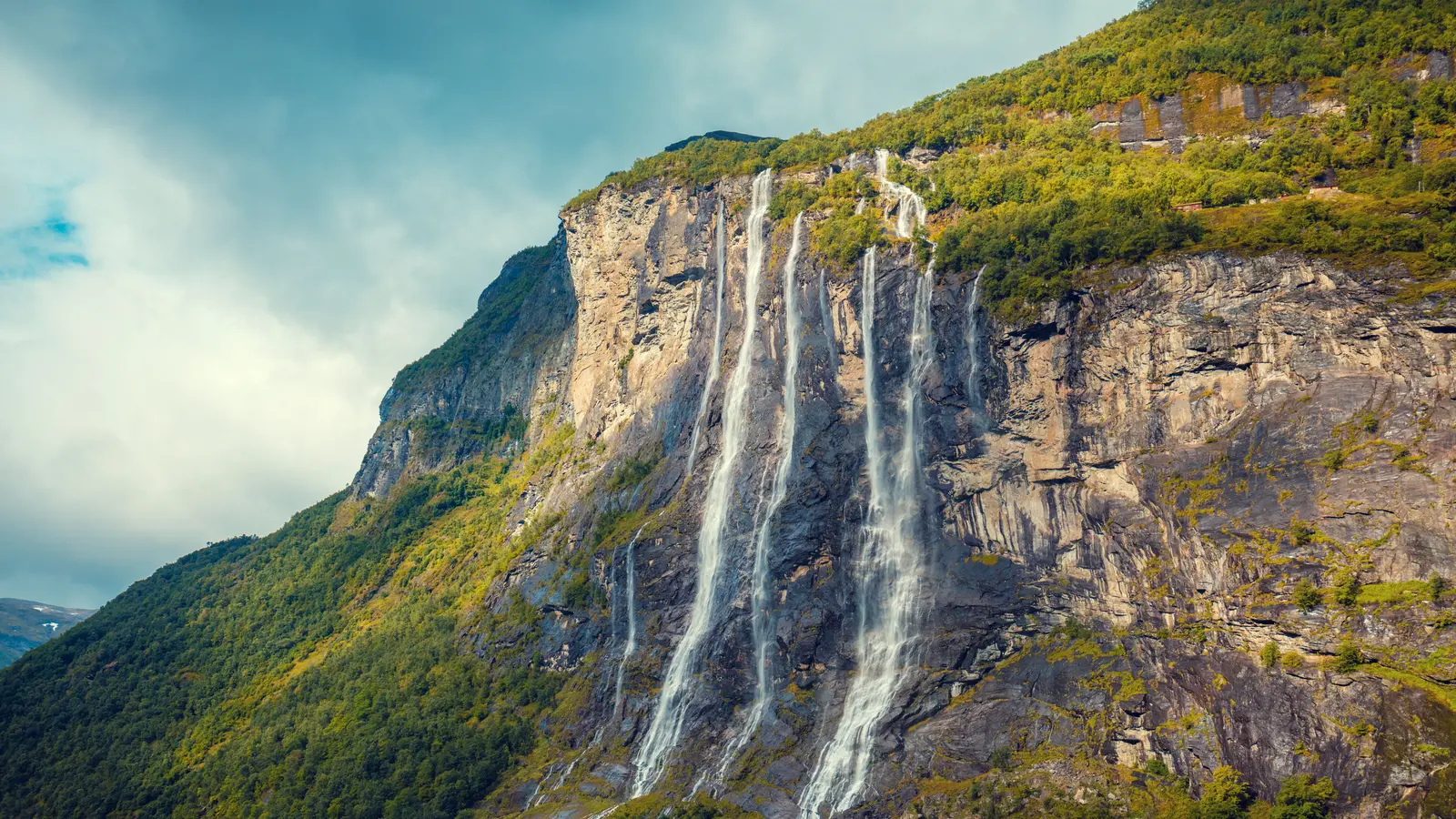
The quick answer
July splits the cruising world in two. Head south and you get heat, crowds and a Mediterranean running at full capacity. Head north and you get something rarer: daylight that runs almost to midnight, waterfalls fed by melting snow, whales and puffins at their busiest, and ports that only really make sense in high summer.
For a British traveller sailing from a UK port, our pick is the Norwegian Fjords — the shortest route to genuinely spectacular scenery, with departures from Southampton, Dover, Newcastle and Rosyth and none of the long-haul hassle. Choose Alaska if wildlife is the reason you're going, the Baltic if you want cities and calm water, Iceland and Greenland if you want ice and remoteness, and the Greek Islands if sunshine and swimming matter more than scenery.
Below we compare the five, explain what each is best at, and set out what to check before you book.
What July gives you that other months don't
- Midnight sun
- North of the Arctic Circle the sun stays above the horizon all night through July, so scenic cruising and evening shore walks don't have to stop at dusk.
- Waterfalls at full flow
- Snowmelt from the Norwegian plateaus is still feeding the big falls, which makes July one of the strongest months for waterfall scenery.
- Alaska wildlife
- Humpbacks, orcas and sea otters are feeding in Southeast Alaska, and the salmon runs bring bears down to the streams.
- Puffins
- Seabird cliffs in Iceland and Norway are still busy with puffins in July, before the birds head back out to sea for winter.
- Baltic evenings
- Stockholm, Helsinki and Tallinn stay light late into the evening, which suits late port calls and after-dinner walks.
- Mediterranean peak
- Greek ports are at their hottest and busiest; plan ruins and hill towns for early morning and swim in the afternoon.
The five destinations side by side
| Destination | Best for | July highlight | Watch out for | Where you sail from |
|---|---|---|---|---|
| Norwegian Fjords | Fjord scenery and long daylight | Waterfalls at full flow and sunlit nights in the far north | Changeable weather and school-holiday prices | Southampton, Dover, Newcastle or Rosyth; or fly to Bergen |
| Alaska | Wildlife and glaciers | Whales, bears and calving glacier fronts in long daylight | Long flights, jet lag and costly excursions | Fly-cruise from Seattle or Vancouver |
| The Baltic Sea | Historic cities | Four capitals in a week with light evenings | No beaches, and some berths well outside town | Southampton or Dover, or fly-cruise from Copenhagen |
| Iceland and Greenland | Remote wilderness and ice | Icebergs, puffins and near-constant daylight | Weather that can cancel landings | Southampton, Dover or Newcastle; some fly-cruises to Reykjavik |
| The Greek Islands | Guaranteed sunshine and swimming | Warm sea, late dinners and beach days | Heat and several ships in port at once | Fly-cruise from Athens, Venice or Dubrovnik |
1. Norwegian Fjords: the best overall
Best overall
Norwegian Fjords
July is the fjords' best month and the easiest big trip from Britain. Snow is still melting off the high plateaus, so the falls above Geiranger, Flåm and Olden are running hard, the valleys are green, and temperatures are mild enough for walking and kayaking rather than a scramble for shade. North of the Arctic Circle — Tromsø, Honningsvåg and the North Cape — the sun stays up all night, which makes late-evening scenic cruising genuinely worth staying on deck for.
Itineraries usually string together Bergen, Ålesund, Geiranger, Olden, Flåm and Stavanger on a seven-night round trip, with longer sailings adding the Lofoten islands or the North Cape. You can leave from Southampton, Dover, Newcastle or Rosyth, or take a short flight to Bergen and join there, which cuts out the North Sea crossing in both directions.
Why we rate it
- Near-endless daylight in the north, so scenic cruising at 11pm is a real possibility.
- Waterfalls and green valleys at their peak after the snowmelt.
- No long-haul flight: Southampton, Dover, Newcastle and Rosyth all have July departures.
- Cool rather than hot, which suits walking, kayaking and long days ashore.
- Short hops between fjord ports, so most days start somewhere new.
What to weigh up
- Changeable weather — a waterproof and a warm layer earn their place even in July.
- Late July collides with the school holidays and prices rise sharply.
- The North Sea crossing at either end can be lumpy if you're prone to seasickness.
- Tender calls such as Geiranger can be dropped when the wind gets up.
2. Alaska: the best for wildlife
Best for wildlife
Alaska
July is peak season in Alaska for good reason. Humpbacks and orcas are feeding in the inside passage, sea otters raft up in the kelp, and the salmon runs pull brown and black bears down to the streams. Glacier days are the centrepiece: Hubbard Glacier and Glacier Bay give you calving fronts and blue ice, and the light lasts long enough to stay out on deck well into the evening.
Almost every July sailing from Britain is a fly-cruise — seven nights round trip from Seattle or Vancouver, or a one-way Gulf of Alaska route between Vancouver and Seward that adds Denali on land. Budget for the long flight, a nine-hour time difference and the excursions, which are the genuine expense on this itinerary.
Why we rate it
- Wildlife in full swing: whales, sea otters, eagles and bears on the salmon streams.
- Glacier viewing in long daylight, with sheltered water for most of the voyage.
- A real wilderness feel without needing a hardcore expedition ship.
- Round trips from Seattle and Vancouver fit neatly into a fortnight from the UK.
What to weigh up
- Long-haul flights and a nine-hour time difference.
- Excursions — floatplanes, bear viewing, glacier landings — are expensive.
- Rain is a fixture in Ketchikan and the panhandle, so pack proper waterproofs.
3. The Baltic Sea: the best for city days
Best for city days
The Baltic Sea
The Baltic is the best-value big-city cruise in Europe, and July is when it works: Stockholm's archipelago is at its best, the waterfront cafés in Helsinki and Copenhagen are in full swing, and the evenings stay light enough to walk a medieval old town after dinner. A typical week links Copenhagen, Stockholm, Helsinki and Tallinn, with Gdansk, Riga or Warnemünde for Berlin on longer itineraries.
The sea is sheltered and the hops are short, which makes this the gentlest introduction to cruising for anyone worried about motion. Ships dock close to the centre in Stockholm, Helsinki and Tallinn; other ports need a shuttle or coach transfer, so check the berth before planning an independent day.
Why we rate it
- Four capitals in a week, all within a short overnight sail of each other.
- Sheltered, calm water — ideal for first-timers and anyone prone to seasickness.
- Walkable old towns at most berths, with museums and cafés close by.
- Long evenings and mild temperatures that suit sightseeing on foot.
What to weigh up
- No beaches and very few swimming stops.
- Some berths are a coach ride from the city, and shuttle tickets cost extra.
- Warm rather than hot — don't expect Mediterranean weather.
- Most mainstream lines have dropped St Petersburg, so itineraries lean on the same handful of capitals.
4. Iceland and Greenland: the best for wilderness
Best for wilderness
Iceland and Greenland
Iceland and Greenland give you the Arctic without an expedition price tag. From Reykjavik and the west coast you can be among puffin cliffs and whale-feeding grounds within hours; further north, Akureyri and Ísafjörður sit under near-constant daylight. Greenland, when the itinerary reaches it, is the real draw: Prince Christian Sound, with icebergs and sheer rock walls, and calls at Nuuk or Qaqortoq.
These sailings usually run on smaller ships, which means fewer passengers ashore and access to places the big ships can't reach. They are also the most weather-dependent trips on this list — fog, swell and ice can all change the plan at short notice.
Why we rate it
- Icebergs, fjords and genuine emptiness within a week's sail of the UK.
- Puffins and whales: Húsavík on Iceland's north coast is one of Europe's best whale-watching ports.
- Near-constant daylight, so no evenings are wasted.
- Small ships mean short queues at landing sites and a quieter experience.
What to weigh up
- Weather is the wildcard; tender landings and scenic cruising can be cancelled.
- Not a sunshine holiday — expect wind and cold spells even in midsummer.
- Greenland calls are limited in number, so these itineraries go early.
5. The Greek Islands: the best for sunshine
Best for sunshine
The Greek Islands
If you want to swim, July is not the month to head north. The Aegean and Ionian are warm, the sun is dependable, and the Greek islands deliver the classic cruise day: a swim stop, a hill town, a long lunch and a late sail. Corfu, Kefalonia, Santorini, Mykonos, Rhodes and Crete all appear on seven-night fly-cruises from Athens, Venice or Dubrovnik, and there are round trips from Southampton if you'd rather not fly — though they cost you extra sea days.
The trade-off is heat and company. July is high season, archaeological sites offer little shade, and Santorini in particular can take several ships at once. Go early, book a ship excursion if you want to be first ashore, and treat the afternoon as swimming and deck time.
Why we rate it
- Reliable sunshine and sea warm enough for proper swimming.
- Short flights to Athens, Venice or Dubrovnik for fly-cruise departures.
- Beaches, ruins and tavernas within easy reach of most berths.
- Generally calm summer seas across the Aegean and Ionian.
What to weigh up
- Heat: the mid-thirties are common and ruins are shadeless.
- Crowds at Santorini and Mykonos, especially when several ships are in together.
- Peak-season flight and hotel prices on either side of the cruise.
How to choose between them
Six things decide whether a July trip works for you:
- Sail north for light, south for heat. July's real advantage is daylight at high latitudes; if you want to swim, the Mediterranean wins and the Arctic loses.
- Read the port list, not the brochure headline. "Norwegian Fjords" can mean four deep fjord calls or one, plus a lot of open sea. The same is true of "Alaska", where the inside passage is far calmer than the Gulf crossing.
- Count sea days against port days. Round trips from Southampton trade days at sea for convenience; fly-cruise departures buy those days back for time ashore.
- Match ship size to the scenery. Smaller ships reach quieter fjord arms and Greenland settlements; larger ones offer more on board but tender in crowds and can struggle to dock at small ports.
- Budget for the school-holiday spike. Fares and flights for the last week of July are in a different league from the first week.
- Pay for the cabin you'll use. A balcony earns its keep on fjord and Alaska sailings, where the best scenery often passes at breakfast or late evening.
The verdict
July cruising: your questions answered
Do British passport holders need a visa for a July cruise to Norway, Iceland or the Baltic?
Not for a normal cruise. Norway, Iceland, Denmark, Sweden, Finland and Estonia are all in the Schengen area, and UK passport holders can travel visa-free for short stays of up to 90 days in any 180-day period. Your passport should have at least three months left after your return date, and it must have been issued within the last ten years. Always confirm current entry rules with your cruise line before booking.
Where can I actually see the midnight sun in July?
Only north of the Arctic Circle. In Norway that means ports such as Tromsø, Honningsvåg at the North Cape and Longyearbyen in Svalbard; in Greenland, Disko Bay. Bergen, Reykjavik and the Baltic capitals have very short nights in July, but the sun still sets there, so you won't get true midnight sun.
Is July too late in the season for whale watching in Alaska?
No. Humpbacks feed in Southeast Alaska waters from spring through to autumn, and July sits comfortably in the middle of that season. Orcas and sea otters are reliable too, and the salmon runs make it a strong month for bear-viewing excursions from Juneau, Ketchikan and Icy Strait Point.
When should I book a July cruise?
Earlier than most people expect for late July. Family cabins and balconies for school-holiday departures are usually the first to go, and Alaska and Greenland itineraries have limited ship capacity. Booking in the autumn before is common. Early-July departures tend to stay available longer and cost noticeably less.
Related articles
The Best Family Cruise Holidays: 5 Picks for UK Families
Five family cruises that work for British parents, from no-fly P&O sailings to Disney magic and Royal Caribbean's big-ship waterparks.
Best Destinations to Go in February: 5 Picks for UK Travellers
From Tenerife's reliable winter sun to the Northern Lights in Tromsø, these are the five best February destinations for UK travellers, compared.
Best January Destinations: 5 Winter Cruises Worth Booking
Five January cruise destinations for UK travellers, from Canary Island sun to Antarctica's summer, with side-by-side comparisons and booking advice.