Best Destinations to Go in February: 5 Picks for UK Travellers
From Tenerife's reliable winter sun to the Northern Lights in Tromsø, these are the five best February destinations for UK travellers, compared.
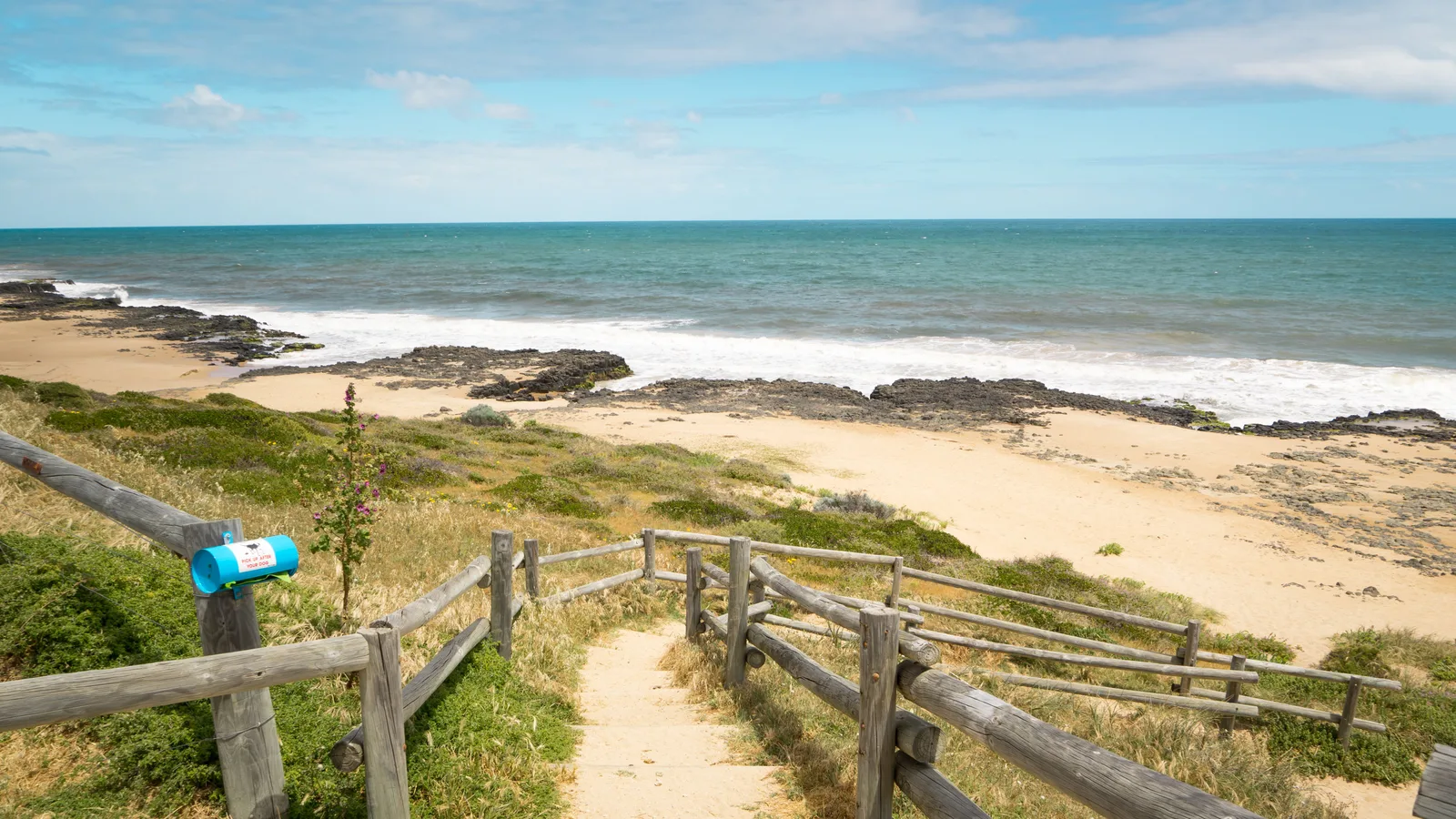
Why February is worth travelling for
February is the point in the British winter when a week away stops feeling like a luxury and starts feeling like maintenance. The good news is that it's also one of the smartest months to travel: the Christmas rush is long gone, the Canaries and Cape Verde are at their driest, the Arctic still has dark nights for the aurora, and the Gulf is warm without being punishing.
The catch is school half-term, which usually falls in mid-February and pushes up prices on every sun route out of the UK. If you aren't tied to term dates, travelling in the first or last week of the month is noticeably calmer and cheaper. If you are, book early and be flexible about which day you fly — a Tuesday departure can make a real difference.
One thing to get straight before you start: February is not a single kind of holiday. It can be a sun lounger in the Canaries, a snowmobile in Norway or a beach-and-city week in the Gulf, and the right choice depends entirely on whether you want heat, light, or a bit of both.
The quick answer: which February destination suits you?
If you only read one paragraph, read this:
- Best all-rounder: Tenerife. A four-hour flight, dependable sun in the south and enough variety to keep a mixed group happy.
- Best for proper heat: Cape Verde. Mid-to-high 20s, dry days and only an hour's time difference — but it is essentially a beach and watersports destination.
- Best for city and beach: Dubai. Warm sea, real sightseeing and a major winter cruise port.
- Best for the Northern Lights: Tromsø. The most practical Arctic city to reach from the UK, with aurora season still in full swing.
- Best for walking and a bit of culture: Madeira. Spring-like days, famous levada trails and a carnival worth planning around.
February destinations compared
| Destination | February daytime high | Flight time from the UK | Best for | Sea swimming |
|---|---|---|---|---|
| Tenerife | Around 20–22°C on the south coast | About 4h 15m | Easy winter sun with variety | Yes, but bracing — roughly 19°C |
| Cape Verde | Around 25–27°C | About 6h | Guaranteed warmth and wind sports | Yes — the warmest of the five, around 22–23°C |
| Dubai | Around 24–26°C | About 7h | City, beach and desert in one trip | Yes, around 22°C |
| Tromsø | A few degrees below freezing | Around 4h direct from London in season | Northern Lights and snow | No — the fjord is near freezing |
| Madeira | Around 18–19°C in Funchal | About 3h 45m | Mild-weather walking and carnival | Possible but chilly, around 18°C |
Tenerife, Canary Islands: best overall
Best overall
Tenerife, Canary Islands
Tenerife takes the top spot because it does the simple thing well: reliable winter sun on a four-hour flight, with enough variety to fill a week. The south — Costa Adeje, Los Cristianos, Playa de las Américas — is the driest, sunniest corner, while the greener north around Puerto de la Cruz suits anyone who prefers gardens, old towns and cloud that usually lifts by lunchtime.
In February you can sit on the coast in the morning and stand in snow on Mount Teide in the afternoon, since the cable car runs most days and the national park sits above the cloud line. Boat trips from Los Gigantes and Puerto Colón run year-round to see the resident pilot whales and dolphins, and Santa Cruz often stages one of Europe's biggest carnivals during the month, though the dates shift with Easter. It is also a major winter turnaround port for Canaries cruises, which makes it easy to combine a few days ashore with a sailing.
Why we rate it
- Sunshine is dependable on the south coast even when the north is grey
- Short flight, GHIC cover and plenty of direct routes from regional airports
- Volcano, laurel forest, whale watching and old towns all on one island
- Big winter cruise port with regular sailings south
- Good value outside half-term week
What to weigh up
- Resorts can feel built-up and busy
- Half-term week is the priciest of the winter
- Cool northerlies and occasional calima dust can interrupt the sun
Cape Verde: best for guaranteed warmth
Best for guaranteed warmth
Cape Verde (Sal and Boa Vista)
Cape Verde sits about 500km off Senegal and is the closest you'll get to proper heat on a direct flight from the UK. February falls in the dry season, so rain is rare, the sun is strong, and the trade winds keep the heat comfortable rather than sticky.
Sal is the busier of the two main holiday islands, with Santa Maria's beach bars and some of the best windsurfing and kitesurfing conditions in the Atlantic. Boa Vista is quieter and sandier — all dunes and long empty beaches — and humpback whales spend the winter and spring in these waters, so boat trips can be worthwhile. The trade-off is choice: this is a beach-and-watersports holiday, not a sightseeing one, and the wind that makes the heat bearable can also whip sand into your lunch.
Why we rate it
- Reliable mid-to-high 20s and dry days
- Direct flights from the UK with package operators
- Superb wind sports and long, quiet beaches
- Only one hour behind the UK, so no jet lag
What to weigh up
- Very little to do beyond the beach and the water
- The trade winds blow constantly through the winter
- GHIC does not apply here, so decent insurance is essential
Dubai: best for city and beach together
Best for city and beach together
Dubai, United Arab Emirates
February is arguably Dubai's best month: warm rather than scorching, with daytime temperatures in the mid-20s and a sea you can actually swim in. You can split a week between the beach clubs of Jumeirah and the older city around the Creek, where an abra crossing costs pennies and the souks sit a short walk apart. Desert drives, the Dubai Frame and the lanes of Al Fahidi fill the rest of the time.
For cruisers, Mina Rashid is the winter base for Arabian Gulf itineraries calling at Abu Dhabi, Sir Bani Yas and ports in Oman. It is not a cheap option in peak season, and in some years Ramadan falls in February, which changes opening hours and the rhythm of the city — worth checking before you book.
Why we rate it
- Consistently warm, dry weather
- Beach, city, desert and culture in a single trip
- Major winter fly-cruise base for the Gulf
- Direct overnight flights from several UK airports
What to weigh up
- Peak-season hotel prices are high
- The city sprawls, so you'll spend on taxis
- Outside a few restored districts there is little old Dubai left
Tromsø: best for the Northern Lights
Best for the Northern Lights
Tromsø, Norway
If you want the aurora rather than the sun, Tromsø is the most practical Arctic city to reach from the UK. At 69°N it sits well inside the aurora zone, and February gives you long dark nights for spotting plus a few hours of low, pink daylight for dog sledding, snowshoeing and reindeer trips.
The Fjellheisen cable car lifts you above the city for a wide view over the fjord, and the Arctic Cathedral and Polaria fill a wet afternoon. Because coastal weather changes fast, you'll get better results from a guided chase that can drive inland to clear sky than from a fixed viewing spot. Hurtigruten and Havila coastal voyages call at Tromsø, so it's easy to bolt a few days onto a Norwegian coastal sailing.
Why we rate it
- Strong aurora odds whenever the sky clears
- Compact city with genuine Arctic scenery on the doorstep
- Direct winter flights from London and excellent cruise links
- Wide range of winter activities for non-spotters
What to weigh up
- Expensive food, drink and excursions
- Cold, dark and frequently overcast
- Nobody can guarantee the lights will appear
Madeira: best for mild-weather walking
Best for mild-weather walking
Madeira, Portugal
Madeira is the pick if you want winter daylight and movement rather than sunbathing. Funchal sits around 19°C in February, spring arrives early in the gardens, and the levada trails and the ridge path between Pico do Arieiro and Pico Ruivo are far more comfortable now than in summer heat.
The carnival usually lands in February or early March, with a floodlit parade through the capital that's worth planning a trip around. Whale and dolphin watching runs year-round from Funchal marina, and the cruise terminal is a short walk from the old town, which is why it's such a favourite call on transatlantic and Canaries itineraries. Rain is the trade-off: the north and the high ground catch plenty of it, and the island's beaches are mostly pebbles or imported sand.
Why we rate it
- Mild, spring-like days without summer heat
- Outstanding walking and a genuinely spectacular carnival
- Cruise terminal within walking distance of the capital
- Short flight and GHIC cover
What to weigh up
- Not a beach destination in any meaningful sense
- Wet in the north and on the high ground
- The sea is cool and mountain weather turns quickly
How to choose where to go in February
Work through these in order and the shortlist will make itself:
- Decide sun or snow first. No destination does both well. If anyone in the group wants to swim, the Arctic picks are out.
- Count the real journey time. Flight time plus transfer matters more than the brochure headline. Tenerife and Madeira are day-one destinations; Cape Verde and Dubai eat most of a day each way.
- Check the sea, not just the air. Air temperatures in the low 20s can come with sea temperatures of 18–19°C. If swimming is the point of the trip, Cape Verde and Dubai are the honest choices.
- Look at half-term. The mid-February school week is the busiest and most expensive of the winter on every sun route. Shifting a week either side usually pays for itself.
- Sort insurance and health cover early. The UK GHIC covers the Canaries and Madeira (and Norway as an EEA country, though local charges can still apply). It does not cover Cape Verde or the UAE.
- Book protected packages. For fly-cruises and package holidays, check for ATOL protection and, where applicable, ABTA membership.
If you would rather sail: February cruises
February is peak wave season for the cruise lines, and the itineraries map neatly onto the destinations above.
- Canaries from Southampton — ten to fourteen nights with sea days either side, calling at Tenerife, Madeira and the other islands. The cheapest way to see several of these places in one trip, though the Bay of Biscay can be lively in winter.
- Arabian Gulf fly-cruises — fly to Dubai, sail to Abu Dhabi, Sir Bani Yas and Oman. Warm, calm and easy to combine with a couple of hotel nights.
- Norwegian coastal voyages — Hurtigruten and Havila run the coast year-round, calling at Tromsø, with aurora announcements on board.
- Caribbean fly-cruises — February sits outside hurricane season, but it's a long flight and the most expensive month of the winter.
The verdict
February travel: common questions
Is February a good time to visit the Canary Islands?
Yes. February is one of the drier, sunnier months in the Canaries, with daytime highs of roughly 20–22°C on the sheltered south coasts. The north of Tenerife and the higher ground are more prone to cloud and rain, and the sea sits at about 19°C.
Where is the hottest place in February on a direct flight from the UK?
Cape Verde is the warmest of the easy direct options, with February highs typically in the mid-to-high 20s. Dubai is close behind at around 24–26°C, but the flight is roughly an hour longer.
Can you see the Northern Lights in Tromsø in February?
The aurora season runs roughly from September to late March, so February is squarely inside it, with long dark nights. You still need clear skies, which is why a guided chase that can drive inland is worth the extra cost.
Do I need travel insurance for Cape Verde?
Yes. The UK Global Health Insurance Card only covers treatment in the EU and EEA, so it does not apply in Cape Verde. Make sure your policy includes medical cover and repatriation.
Is Madeira warm enough to sunbathe in February?
Funchal often reaches around 19°C, so you can sit out in a sheltered spot, but it isn't a beach-sunbathing destination in February. Most visitors come for walking, gardens and the carnival rather than the sand.
Related articles
The Best Family Cruise Holidays: 5 Picks for UK Families
Five family cruises that work for British parents, from no-fly P&O sailings to Disney magic and Royal Caribbean's big-ship waterparks.
The Best Destinations to Visit in July: 5 Picks for UK Cruisers
Five July cruise destinations compared for British travellers — the fjords, Alaska, the Baltic, Iceland and Greece — with picks by weather and wildlife.
Best January Destinations: 5 Winter Cruises Worth Booking
Five January cruise destinations for UK travellers, from Canary Island sun to Antarctica's summer, with side-by-side comparisons and booking advice.