The Best Places to Travel in Croatia: Our Top 5 Picks
Five places in Croatia worth planning a trip around, from Dubrovnik's walls to Istrian Rovinj — how they compare, how to reach them and when to go.
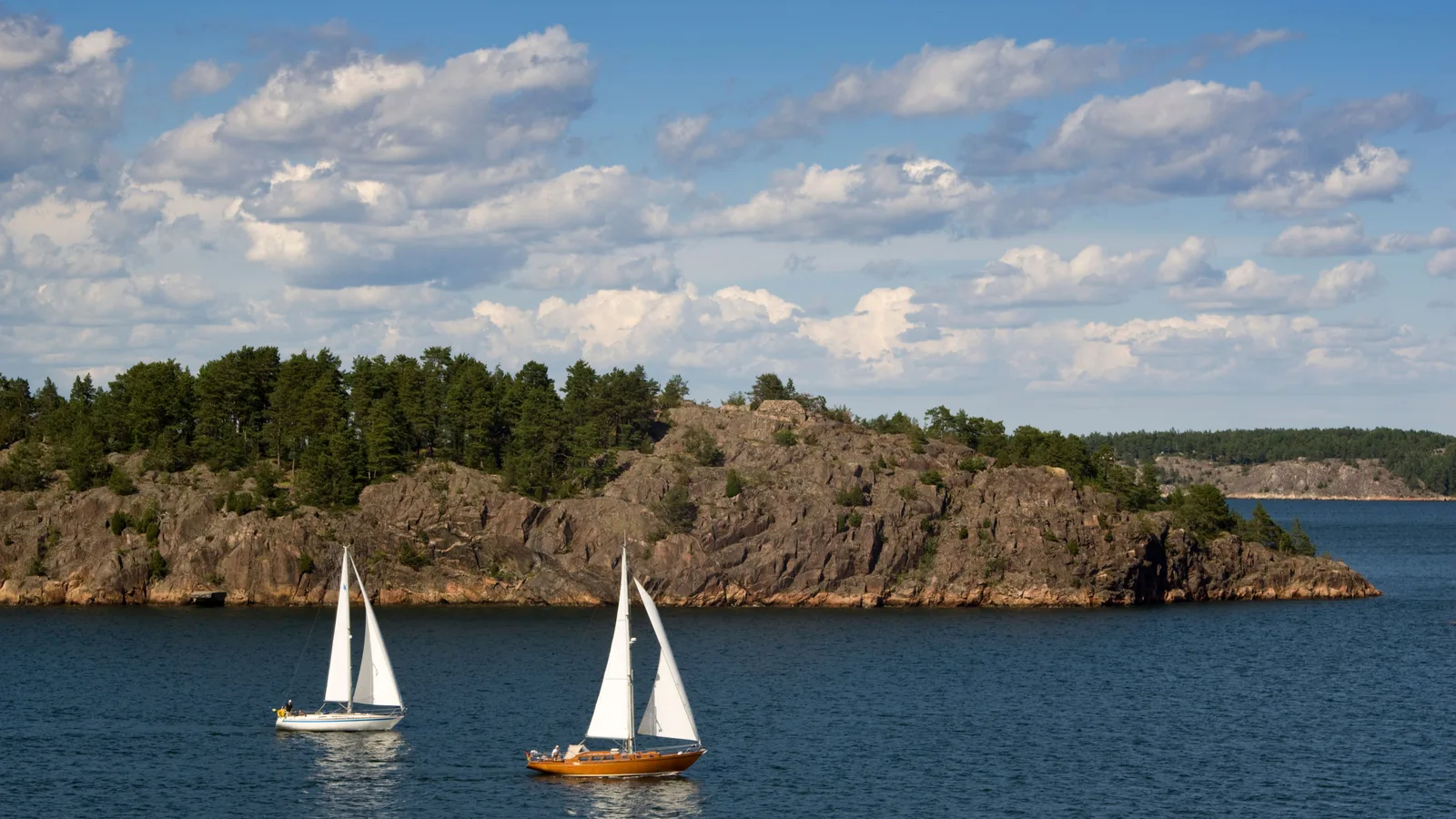
Where to go in Croatia: the short answer
Croatia's Adriatic coast runs from the Venetian-looking towns of Istria in the north down to the Konavle in the far south, with well over a thousand islands strung along it. That range is the problem: a week is not enough for all of it, and places that look like neighbours on a map can be a ferry, a bus and half a day apart.
For most British travellers the choice comes down to two shapes of holiday. Either you take a walled city as a base — Dubrovnik or Split — or you pick two or three islands and move between them by catamaran. The five places below are the ones genuinely worth planning a trip around, and each one suits a different sort of traveller.
The five places side by side
What actually separates these places is not how they look in photographs but what you do all day, how easily you reach them and how they feel in the middle of August. The mainland pair plus Hvar first:
| What matters | Dubrovnik | Split | Hvar |
|---|---|---|---|
| Best for | First trips and the classic Adriatic postcard | City break plus easy ferry-hopping | Glamour, swimming and a lively harbour |
| Old-town character | Baroque stone streets inside intact medieval walls | A Roman palace threaded with cafés, shops and homes | Venetian-era square, marble-paved and polished |
| Swimming | Rock platforms and Banje beach; Lokrum 15 minutes by boat | Bačvice city beach, plus the beaches of nearby Brač | Rock ledges in town; the Pakleni islands a short taxi-boat ride away |
| Getting there from the UK | Direct flights, then 30–40 minutes to the old town | Direct flights, with the airport on the edge of town | Direct flight to Split, then a catamaran of about an hour |
| Crowds in August | Very heavy whenever cruise ships are in | Busy, but spread across a working city | Heavy, especially around the harbour at night |
| Boats and ferries | Lokrum and Elaphiti boats; catamarans south to Korčula | The main port for Brač, Hvar, Vis and Korčula | Catamarans to Split and Korčula; taxi boats to the Pakleni islands |
| Ideal stay | 3–4 nights | 2–3 nights, or a week as a base | 3–5 nights |
| What matters | Korčula | Rovinj |
|---|---|---|
| Best for | Slow days, wine and quiet stone streets | Food, wine and Venetian atmosphere |
| Old-town character | Walled peninsula town laid out in a fishbone plan | Hillside tangle of lanes rising to a church tower |
| Swimming | Sandy patches at Lumbarda; rocky coves around the island | Pebble and rock platforms, plus pine-shaded Zlatni Rt |
| Getting there from the UK | Fly to Split for the catamaran, or to Dubrovnik and drive | Direct flights to Pula, then around 40 minutes |
| Crowds in August | Moderate; day-trippers pass through at midday | Busy, though evenings stay relaxed |
| Boats and ferries | Catamaran from Split; short ferry from Orebić | Seasonal boats to Venice and out to the Red Island |
Rovinj sits slightly apart from the rest: it is Istrian rather than Dalmatian, it has no island chain of its own, and it is better reached by car than by boat. On food and on sheer good looks, though, it beats the Dalmatian towns for many people.
1. Dubrovnik: best overall for a first trip
Best overall for a first trip to Croatia
Dubrovnik
Dubrovnik is the reason a lot of people book Croatia in the first place, and it still earns the fuss. The old town is a compact maze of limestone-paved streets and baroque churches wrapped in just under two kilometres of medieval wall, which you can walk end to end in about an hour — start at opening time or go late afternoon to dodge the worst of the crush. The cable car up to Mount Srđ gives you the whole picture, Lokrum island is a 15-minute boat ride from the old harbour, and the Elaphiti islands of Koločep, Lopud and Šipan make an easy day out.
What it is not is cheap or quiet. When the cruise ships are in, Stradun turns into a procession, and a coffee on the main street costs what lunch costs elsewhere on the coast.
What Dubrovnik does best
- The city walls are the single best thing to do on the Croatian coast
- Everything inside the walls is walkable and car-free
- Islands, swimming and boat trips are on the doorstep
- In May or October it is genuinely magical
Where it falls down
- Cruise-ship mornings turn the old town into a scrum
- The highest prices on the coast, especially inside the walls
- Steps everywhere — hard work with a pushchair or a heavy case
- Beaches are rocky platforms rather than sand
2. Split: best base for island hopping
Best base for ferries and island hopping
Split
Split does not try to be a postcard, and it is better for it. The old town is built inside Diocletian's Palace, a Roman emperor's retirement home that became a medieval city, so you eat dinner in a courtyard built for a legion and buy groceries in what was once a corridor. The Riva seafront is where the city walks in the evening, Marjan hill gives you pine woods and swimming within 20 minutes of the centre, and Bačvice is a proper city beach.
The real argument for Split is transport. It is the main ferry and catamaran port for Brač, Hvar, Vis and Korčula, which makes it the natural first or last stop on any island-hopping route, and the airport is close to town.
Why Split works
- Ferries and catamarans to the main islands leave from the centre
- Roman palace, markets and a working city rather than a stage set
- noticeably better value than Dubrovnik
- Easy day trips to Trogir and the Klis fortress
Trade-offs
- Less immediately beautiful than Dubrovnik
- The port area is busy and a bit scruffy
- Beaches are pebbly and packed in August
3. Hvar: best for swimming and a bit of glamour
Best for swimming, beach clubs and nightlife
Hvar
Hvar Town packs a lot into a small harbour: a marble-paved square, a Venetian fortress above it, and a waterfront lined with restaurants that turn into bars after dark. Behind the town lie the Pakleni islands, a scatter of coves and pebble beaches ten or fifteen minutes away by taxi boat, which is where most people spend their days. The old town is mostly pedestrian, so you walk everywhere.
Further out, Stari Grad on the north of the island has a UNESCO-listed plain farmed since Greek times, and the lavender fields and hill villages give Hvar a life beyond the harbour. It is the most polished and most expensive of the Dalmatian islands, and in July and August it knows it.
Why Hvar works
- The best swimming-and-lunch combination in Dalmatia
- Car-free old town with a lively harbour at night
- The Pakleni islands are minutes away by taxi boat
- Good off-season walking, wine and lavender country
Trade-offs
- The priciest island for food and drink
- Loud around the harbour in high summer
- Hilly, with steps up to the fortress and many hotels
4. Korčula: best for a slower pace
Best for quiet evenings, wine and local life
Korčula
Korčula Town sits on a small peninsula with walls on the seaward side, laid out in a fishbone street plan designed to channel the breeze — a detail you appreciate in August. It is quieter than Hvar and less polished than Dubrovnik, and the better for it: you can walk the streets after dinner without queueing. The island claims Marco Polo, stages the Moreška sword dance through the summer, and makes serious wine — Pošip and Grk whites, Plavac Mali reds.
Beaches are a mix: sandy patches at Lumbarda in the east, rocky coves elsewhere, and the little islet of Proizd off Vela Luka in the west. Reaching the island means a catamaran from Split or a short ferry from Orebić on the Pelješac peninsula.
Why Korčula works
- Genuinely relaxed in the evenings
- Excellent local wine, seafood and olive oil
- Sandy swimming at Lumbarda, which is rare in Croatia
- Easy to combine with Pelješac and Dubrovnik
Trade-offs
- Takes longer to reach than Hvar or Brač
- Limited nightlife and a short restaurant list
- Day-trippers fill the old town around midday
5. Rovinj: best for food and wine
Best for food, wine and Venetian charm
Rovinj
Rovinj is the exception on this list: Istrian rather than Dalmatian, with an Italianate look and a food scene built around truffles, malvazija wine and seafood. The old town climbs a hill straight out of the sea to the bell tower of St Euphemia, and the lanes below it — Grisia is the famous one, lined with galleries — are made for aimless wandering. South of town, the Zlatni Rt forest park gives you pine-shaded paths, rocky swimming spots and shade when the sun is brutal.
There is no island chain here, so this is not a place for catamaran-hopping. It suits a fly-and-stay week with a car, pairing Rovinj with Motovun, Pula's Roman amphitheatre and the hill towns of the interior.
Why Rovinj works
- The best food and wine of the five
- A beautiful Venetian-style old town to wander at night
- Pine-shaded swimming at Zlatni Rt
- A good base for the whole of Istria
Trade-offs
- No island-hopping network of its own
- Pebble and rock beaches rather than sand
- Very busy in August and at weekends
How to choose where to base yourself
Work backwards from the shape of the trip rather than from photographs. Four or five nights and one place? Dubrovnik for the walls or Split for ferries and value. Ten days? Split, then Hvar and Korčula, finishing in Dubrovnik. A car and an interest in food? Rovinj.
- City break, 3–5 nights: Dubrovnik for the walls, Split for ferries and value.
- Ten days with a ferry or sailing route: Split → Hvar → Korčula, finishing in Dubrovnik.
- Fly-and-stay with a car: Rovinj, with day trips across Istria.
- Families: Korčula, for the sandy patches at Lumbarda and calmer evenings.
- Swimming and nightlife: Hvar Town.
- How you arrive
- 4.5/5
A direct flight beats two connections. Check the transfer from the airport to the harbour before you book anything else.
- Sailing and ferry access
- 5.0/5
If island-hopping is the point of the trip, base yourself on the ferry network rather than on the prettiest postcard.
- Crowd tolerance
- 4.0/5
Cruise-ship days transform small old towns between roughly 10am and 4pm. Plan walking and boat trips around them.
- Swimming
- 4.5/5
Croatia is mostly rock and pebble. Sandy beaches are rare, so seek them out if that is what you want from a holiday.
- Value for money
- 4.0/5
Dubrovnik and Hvar Town run well above inland Istria and the quieter islands for food, drink and rooms.
- Time of year
- 4.5/5
Late May to mid-June and September give you a warm sea without August prices or August queues.
Ferries, catamarans and the practical bits
Croatia's ferry network is good but stubbornly seasonal. Car ferries run year-round on the main routes; passenger catamarans are faster and cheaper for foot passengers, but the timetables thin out sharply outside summer. If your trip depends on a specific sailing, check the operator's timetable before you book flights.
- Currency
- The euro, since January 2023
- Language
- Croatian; English is widely spoken along the coast
- Time difference
- One hour ahead of the UK
- Busiest weeks
- Mid-July to the end of August
- Main arrival airports
- Dubrovnik, Split, Zadar, Pula, Rijeka and Zagreb
- Ferry operators
- Jadrolinija for car ferries; private catamaran lines for foot passengers
- Booking ahead
- Catamaran seats in July and August do sell out, especially afternoon sailings
- Driving
- Ferries take cars, but reserve a space well in advance in summer
When to go
The Croatian coast has a long season, and the gap between late June and mid-August is bigger than the thermometer suggests.
- May and early June: warm enough to swim, quiet and cheapest. Some island restaurants open only at weekends.
- Mid-June to early July: the sweet spot — hot, the sea is warm and the ferries are running properly.
- Late July and August: 30°C and above, crowded, peak prices, and cruise-ship traffic at its worst.
- September: the best month overall. Warm sea, fewer people, and the grape harvest.
- October: still pleasant in the south, but ferries thin out and island hotels start closing.
- Winter: Dubrovnik and Split work as city breaks; most island places shut up shop.
The verdict
Frequently asked questions about travelling in Croatia
Is Dubrovnik or Split better for a first visit?
Dubrovnik if you want the most striking old town and only have a few nights. Split if you want a base for the islands, a lower daily spend and an easier airport transfer.
Do you need a car in Croatia?
Not for a city-and-island trip — ferries and catamarans cover the Dalmatian coast well. A car is genuinely useful for Istria and for exploring the interior of Korčula.
How long should a Croatia trip be?
A week is the realistic minimum for two places. Ten days lets you add an island or two without spending the whole holiday in transit.
Can you still swim in the sea in October?
In southern Dalmatia, often yes — the water holds its warmth into autumn. But weather turns more unsettled and many island ferries and hotels wind down for the season.
Is Hvar or Korčula better with children?
Korčula is calmer, with sandy patches at Lumbarda and quieter evenings. Hvar Town is livelier and hillier, though the Pakleni islands are excellent for a day of swimming.
Do British visitors need a visa for Croatia?
No, for short trips. Croatia has been in the EU since 2013 and in the Schengen area since 2023, so standard short-stay rules apply to British passport holders.
Related articles
The Best Family Cruise Holidays: 5 Picks for UK Families
Five family cruises that work for British parents, from no-fly P&O sailings to Disney magic and Royal Caribbean's big-ship waterparks.
The Best Destinations to Visit in July: 5 Picks for UK Cruisers
Five July cruise destinations compared for British travellers — the fjords, Alaska, the Baltic, Iceland and Greece — with picks by weather and wildlife.
Best Destinations to Go in February: 5 Picks for UK Travellers
From Tenerife's reliable winter sun to the Northern Lights in Tromsø, these are the five best February destinations for UK travellers, compared.