Best Places in Canada to Travel: 5 Picks Worth the Flight
The best places to travel in Canada for UK visitors: Banff, Vancouver Island, Nova Scotia, Quebec City and the Yukon, with seasons and trip lengths.
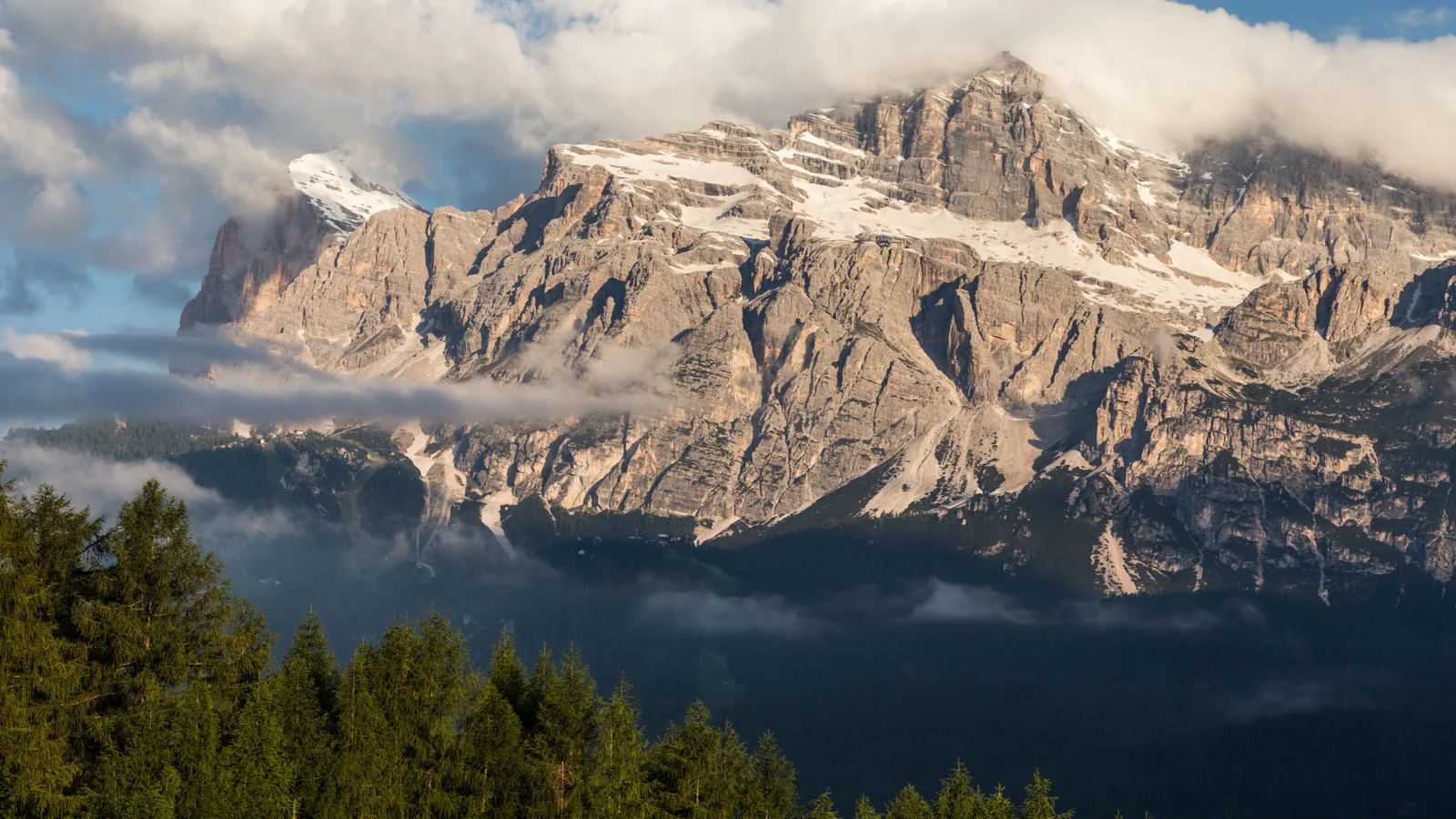
How to narrow down a country this big
Canada is the second-largest country on earth and spans six time zones, so "where should I go?" is really "which Canada do you want?". A fortnight sounds generous until you look at a map: Toronto to Vancouver is about 4,400 km — further than London to Tehran — and even Calgary to Vancouver is a ten-hour drive.
The country divides neatly into a handful of holidays, each with its own gateway airport and its own season:
- Rocky Mountains — fly to Calgary for Banff, Lake Louise and Jasper.
- West coast — fly to Vancouver, then take the ferry to Vancouver Island.
- Atlantic Canada — fly to Halifax for Nova Scotia and Cape Breton.
- St Lawrence — Montreal and Quebec City, with Charlevoix and Tadoussac upriver.
- The north — Whitehorse, for the Yukon's aurora and gold-rush towns.
The shortlist at a glance
If you only read one line: Banff and Lake Louise for the postcard mountains, Vancouver Island for coast, rainforest and whales, Nova Scotia for a self-drive road trip with the best seafood you'll eat all year, Quebec City for food and old-world streets, and the Yukon if seeing the northern lights is the whole point of going.
Each works as a standalone week to ten days, and each pairs well with a few days in Vancouver, Montreal or Halifax at either end.
| Place | Best for | Time to allow | Best months |
|---|---|---|---|
| Banff and Lake Louise, Alberta | Rocky Mountain scenery and hiking | 5–7 days | July–September for hiking; January–March for skiing |
| Vancouver Island, British Columbia | Coast, rainforest and whale watching | 5–8 days | June–September; storm-watching from November |
| Nova Scotia | A self-drive road trip with seafood | 7–10 days | Late September–October for colour; June–August for warmth |
| Quebec City and Charlevoix | Food, history and French Canada | 4–7 days | June–October; late January–February for Carnival |
| The Yukon | Northern lights and wilderness | 5–7 days | Late August–mid April for aurora; June–July for midnight sun |
Banff and Lake Louise, Alberta: the classic Rockies trip
Best for mountain scenery
Banff and Lake Louise, Alberta
Banff is Canada's oldest national park and still its most photographed: turquoise glacial lakes, a wall of peaks and a town with hot springs, restaurants and a ski hill on the doorstep. Base yourself in Banff for choice, or in Lake Louise for early starts on the trails, and drive the Icefields Parkway north towards Jasper — about 230 km of glacier, canyon and mountain goat.
What it does well
- Lake Louise, Moraine Lake and the Icefields Parkway stitched into one trip
- Hiking for every level, from lakeshore strolls to the Plain of Six Glaciers teahouse
- Good odds of elk, bighorn sheep and, with luck, bears from the roadside
- Three ski areas within an hour: Lake Louise, Sunshine and Norquay
What to plan around
- Serious summer crowds and full car parks at the famous lakes
- Banff hotel prices spike in July and August
- Weather turns fast — snow can fall in any month at altitude
Don't just see it from the car. The best of Banff is on foot: the Johnston Canyon catwalks, the climb up Sulphur Mountain if you'd rather earn the view than take the gondola, and the teahouse walks above Lake Louise. In winter the same trails become snowshoe and ice-walk routes.
When to go: late June to early September for hiking and lakes at their most vivid — the colour comes from glacial rock flour, so it peaks with the melt. Late September brings golden larches; January to March is ski season. Wildfire smoke can haze the views in high summer in some years, so keep plans flexible.
Vancouver Island, British Columbia: rainforest and surf
Best for coast and rainforest
Vancouver Island, British Columbia
Roughly the size of Belgium, Vancouver Island packs a walkable provincial capital, temperate rainforest and proper surf beaches into one easy loop. Victoria gives you harbour ferries, Butchart Gardens and afternoon tea; the wild west coast around Tofino and Ucluelet is Pacific Rim National Park Reserve, where long beaches back onto cedar forest and the whale-watching boats head out year round.
Why it works
- The mildest climate in Canada — you can walk the coast in a jumper in spring
- Orcas, grey whales and humpbacks on organised boat trips from Victoria and Tofino
- Surfing, kayaking and rainforest trails within a short drive of each other
- Easy add-on to a Vancouver stop, by ferry or float plane
Trade-offs
- Tofino is genuinely wet from October to March
- Ferries with a car need booking well ahead in July and August
- The west coast is a four- to five-hour drive from Victoria
Getting there: BC Ferries runs from Tsawwassen, south of Vancouver, to Swartz Bay near Victoria in about an hour and a half, and from Horseshoe Bay to Nanaimo. Foot passengers can usually turn up; cars often can't in summer.
Where to base yourself: two nights in Victoria, then drive west to Tofino or Ucluelet for the beaches, whale watching and surf schools. The Cowichan Valley in between is the island's wine country, and the Pacific Rim trails are at their driest from June to September.
Nova Scotia: lighthouses, lobster and the Cabot Trail
Best for a maritime road trip
Nova Scotia
Nova Scotia is the classic Canadian self-drive for anyone who likes lighthouses, lobster and cold Atlantic air. Halifax gives you a compact waterfront and a working cruise port; Lunenburg is a UNESCO-listed fishing town of painted clapboard; and the Cabot Trail loops around Cape Breton Highlands National Park, with whale-watching boats at Pleasant Bay and fiddle music in the villages. At Burntcoat Head Park the Bay of Fundy tides rise and fall further than anywhere else on earth.
What makes it special
- Shorter driving days than the west — most highlights are two to four hours apart
- Outstanding seafood, from lobster rolls to oysters in Halifax
- Autumn colour in late September and October is spectacular and quiet
- Strong Celtic and Acadian culture in Cape Breton
Weak points
- A short season: many coastal businesses shut from November to April
- Fog and drizzle are a fact of life on the coast
- The Cabot Trail crawls in July and August, especially around the viewpoints
The route that works: two nights in Halifax, a day out to Peggy's Cove and Lunenburg, then three or four days on Cape Breton Island driving the roughly 300 km Cabot Trail loop with a hike or two built in.
Time it right: late September and early October give you autumn colour, thinner crowds and the best light for photographs. July and August are warmest but busiest. Whales are most reliable off Cape Breton between June and October, and the ceilidhs — informal evenings of fiddle and step dancing — run through the summer.
Quebec City and Charlevoix: the French-Canadian heartland
Best for food and old-town charm
Quebec City and Charlevoix, Quebec
Old Québec is a walled, UNESCO-listed quarter of cobbled lanes climbing from the Petit-Champlain district to the Château Frontenac, with the Plains of Abraham battlefield on one side and a serious restaurant scene on the other. Push east into Charlevoix and the mountains drop straight into the St Lawrence, with the whale-watching village of Tadoussac at the mouth of the Saguenay fjord.
Why you'll like it
- The most European-feeling city in North America, and walkable end to end
- Excellent food and drink: poutine, wood-fired bagels, cider and ice wine
- Beluga, minke and humpback whales at Tadoussac between May and October
- Winter Carnival in late January and February is a proper spectacle
Bear in mind
- January is properly cold, well below freezing for weeks
- French is the everyday language outside the tourist core
- Charlevoix hotels and inns are pricey in high summer
Two bases, one trip: three nights in Old Québec — the funicular, the ramparts, the market — then a car or the scenic riverside train east to Charlevoix, calling at Baie-Saint-Paul and La Malbaie.
Whale watching: Tadoussac sits inside the Saguenay–St Lawrence Marine Park, so operators follow strict approach rules. Choose a boat with a naturalist on board and go in the morning when the water is calmer. Montmorency Falls, just outside Quebec City, is worth a couple of hours on the way back.
The Yukon: aurora, gold rush and empty roads
Best for the northern lights
The Yukon
The Yukon is Canada at its emptiest: one road north to Dawson City, a gold-rush main street of wooden boardwalks, and mountains in Kluane National Park Reserve that include Mount Logan, the country's highest peak. Whitehorse is an easy base with flights from Vancouver, and the aurora season runs from late August to mid-April — long enough to pair the northern lights with autumn colour or spring skiing.
Why go this far
- Some of the best aurora odds in Canada, with operators running night trips from Whitehorse
- Dawson City's gold-rush streets and the Dempster Highway to Tombstone Territorial Park
- Midnight sun and long hiking days in June and July
- Eclipse Nordic Hot Springs and dog-sledding on the doorstep of town
The costs
- Flights and organised aurora tours are expensive
- Winter temperatures of -30°C are normal, not exceptional
- Huge distances, few buses — you need a car for anything beyond Whitehorse
Chasing the aurora: you need dark skies, clear weather and patience. Three or four nights gives you a realistic chance of at least one strong display; clear, moonless nights around midnight are best. September is comfortable and dark enough; January and February are the coldest but have the longest nights.
In summer: Whitehorse gets almost 19 hours of daylight at midsummer, which makes long day hikes and the drive to Tombstone easy. Book accommodation in Dawson City early — the town is small and fills up for summer events.
How the five compare on logistics
| Place | Main gateway | Car needed? | Cruise port? |
|---|---|---|---|
| Banff and Lake Louise | Calgary, then a 90-minute drive | Yes — highlights are strung along the Icefields Parkway | No |
| Vancouver Island | Vancouver or Victoria, then ferry or float plane | Yes for Tofino and the west coast | Yes — Victoria |
| Nova Scotia | Halifax | Yes for the Cabot Trail and the south shore | Yes — Halifax and Sydney |
| Quebec City and Charlevoix | Quebec City or Montreal | No for the old town; yes for Charlevoix | Yes — Quebec City |
| The Yukon | Whitehorse, usually via Vancouver | Yes — distances are long and buses are rare | No |
Two of the five are established cruise calls. Halifax and Quebec City both appear on Canada and New England itineraries, and Victoria on Vancouver Island features on many Alaska sailings. If a voyage is already on the cards, a week of self-drive either side of a one-way sailing is a sensible way to see the coast and the interior in one trip.
How to choose between them
1. When can you travel? June to September is the safe window just about everywhere here, with October for autumn colour in the east and February for snow and aurora. Peak season is also when prices and crowds peak, so late June and early September are the value sweet spots.
2. How much driving do you want? Nova Scotia and the Yukon are road trips by nature; Quebec City is a city break with a scenic extension; Banff needs a car but the drives are short.
3. Landscape or towns? Banff, the Yukon and the west coast of Vancouver Island are about scenery. Quebec City and Halifax are about streets, food and people. Nova Scotia gives you a bit of both.
4. Wildlife priorities. Whales: Tadoussac, Tofino or Cape Breton. Bears and elk: the Rockies. Aurora: the Yukon.
Self-drive strengths
- Freedom to stop for viewpoints, wildlife jams and small-town diners
- Often cheaper than guided tours for a couple or a family
- The only practical way to reach Tofino, the Cabot Trail and Yukon highways
- UK licences are accepted and hire cars are usually automatic
Self-drive drawbacks
- Long hops between stops — four to five hours is normal
- One-way hire fees between provinces can be steep
- Winter driving needs winter tyres and some nerve
- Parking in Banff and Victoria is painful in high season
Practicalities for UK travellers
- Currency
- Canadian dollar (CAD). Cards are taken almost everywhere; keep a little cash for small-town cafés.
- Language
- English everywhere, with French the everyday language in Quebec — a friendly bonjour goes a long way.
- Driving
- Drive on the right. Your UK licence is fine for a holiday; hire cars are automatic unless you ask otherwise.
- Plugs
- 120V with flat two- and three-pin sockets — bring a UK adaptor or two.
- Entry
- UK passport holders need an eTA for air travel; apply online before you fly.
- Tipping
- 15–20% in restaurants and bars is standard, plus a dollar or two per bag for hotel staff.
- Time difference
- Six time zones coast to coast; Alberta runs seven hours behind the UK in winter, British Columbia eight.
- Flight times from London
- Roughly 7 hours to Halifax, 9 hours to Calgary and 9–10 hours to Vancouver.
The verdict
Frequently asked questions
How long should a first trip to Canada be?
Ten days to two weeks is the sweet spot for one region. Under a week is really only enough for Banff, Halifax or Quebec City and their immediate surroundings, once you allow for the flight and the time difference.
Do British passport holders need a visa for Canada?
Not for a normal holiday, but you do need an eTA if you're arriving by air. Apply online in advance and check the official Government of Canada guidance, as the rules and fee can change.
When can you see the northern lights in Canada?
In the Yukon the aurora season runs from late August to mid-April, with the best odds on clear, moonless nights around midnight. Deep winter gives the longest darkness but the coldest conditions.
Can you combine a Canada trip with a cruise?
Yes. Halifax and Quebec City are established cruise ports and Victoria on Vancouver Island appears on many Alaska itineraries, so a week of self-drive followed by a one-way sailing works well.
Is it easy to travel Canada without a car?
In Vancouver, Montreal, Toronto and central Quebec City, yes. Elsewhere on this list you'll want wheels or a plan: shuttle buses cover the famous Banff lakes, but Tofino, the Cabot Trail and the Yukon really need a hire car or a guided tour.
Related articles
The Best Family Cruise Holidays: 5 Picks for UK Families
Five family cruises that work for British parents, from no-fly P&O sailings to Disney magic and Royal Caribbean's big-ship waterparks.
The Best Destinations to Visit in July: 5 Picks for UK Cruisers
Five July cruise destinations compared for British travellers — the fjords, Alaska, the Baltic, Iceland and Greece — with picks by weather and wildlife.
Best Destinations to Go in February: 5 Picks for UK Travellers
From Tenerife's reliable winter sun to the Northern Lights in Tromsø, these are the five best February destinations for UK travellers, compared.