Best places to travel in Switzerland: five standout bases
Five standout Swiss bases for lakes, peaks and easy rail days, with a quick-answer guide, side-by-side comparison and practical choosing advice.
The quick answer: which Swiss base suits you?
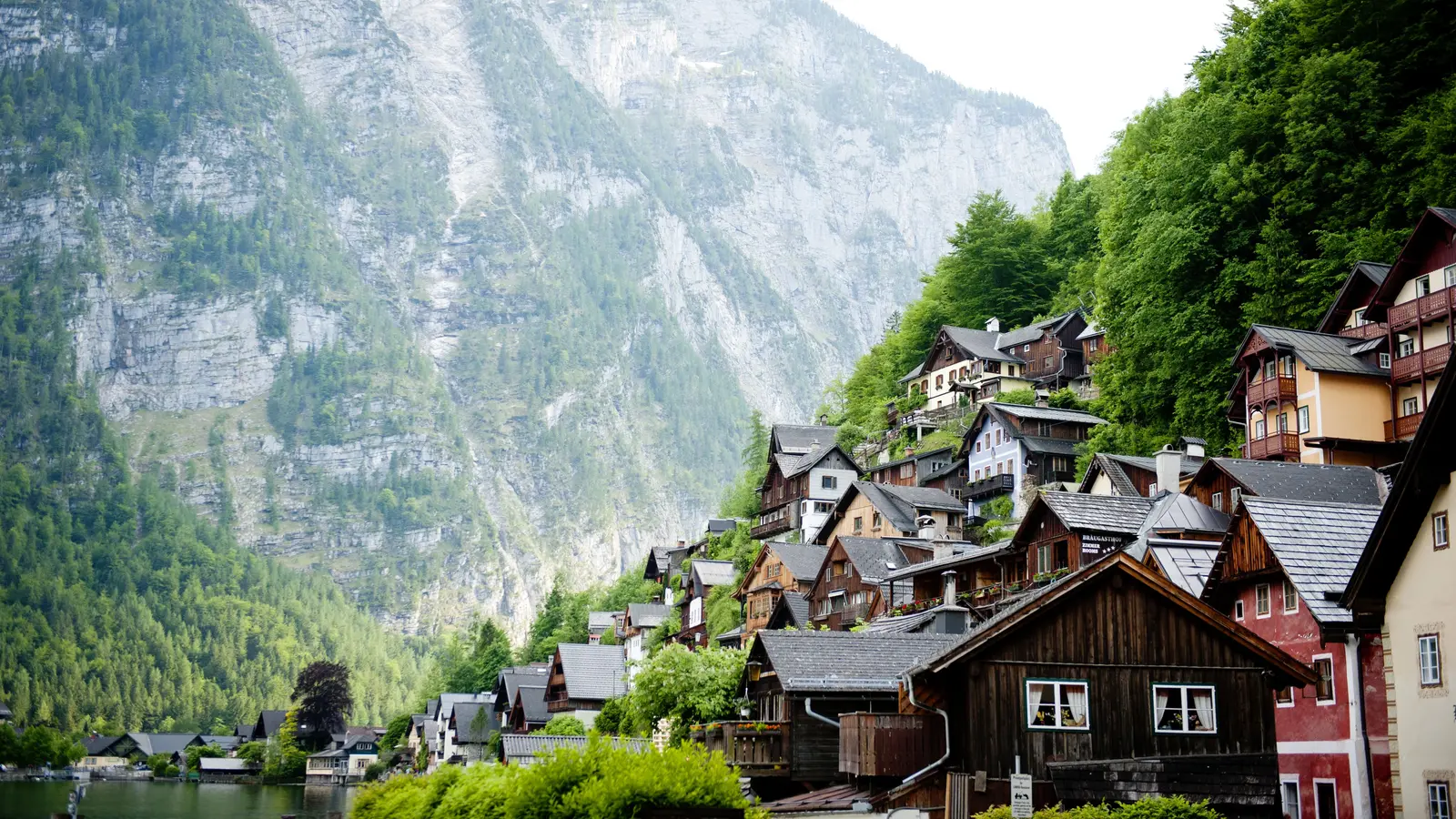
Switzerland rewards a base rather than a box-ticking tour. The best choice depends on whether you want lake-and-mountain scenery, high-Alpine drama, family activity, or a softer, Italian-Swiss flavour. For a first trip, Lucerne is the simplest all-rounder. For the Matterhorn, choose Zermatt. For hiking and families, head for Interlaken and the Jungfrau region. For quiet style, choose St Moritz. For a warmer, lake-led break, choose Lugano.
How the five compare at a glance
| Destination | Best for | Signature experience | Travel feel |
|---|---|---|---|
| Zermatt | Alpine drama and car-free village life | Matterhorn views from the village and the Gornergrat railway | Busy, polished and mountain-focused |
| Lucerne | First-time Switzerland and easy lake-and-mountain days | Chapel Bridge, lake steamers and Mount Pilatus or Rigi | Compact, central and very easy by rail |
| Interlaken and the Jungfrau region | Activity holidays and family days | Lake Thun and Lake Brienz, the Jungfraujoch and mountain railways | Outdoorsy, spread out and train-friendly |
| St Moritz | Slow travel, style and Engadin light | Glacier Express arrival, lake walks and high-Alpine scenery | Calm, elegant and seasonal |
| Lugano | A warmer, Italian-Swiss city break | Lakefront promenades, Monte San Salvatore and Ticino day trips | Relaxed, urban and Mediterranean in feel |
The five best places to travel in Switzerland
Best for Alpine drama
Zermatt
Why it works: Zermatt is the pick when the Matterhorn is the reason for the trip. The village is car-free, the mountain backdrop is immediate, and the Gornergrat railway gives you a high-Alpine day without a long hike. It is a year-round resort, with winter skiing and summer walking, but it is not the place for a cheap, spontaneous city break.
The trade-off: Peak season is busy and expensive, and mountain excursions depend on clear weather.
What stands out
- Matterhorn views from the village itself
- Car-free streets and mountain railways
- Strong summer walking and winter snow sports
- Good rail access via Visp
What to weigh up
- Busy and expensive in peak season
- Many mountain excursions depend on clear weather
- Limited big-city culture or nightlife
Best for first-time visitors
Lucerne
Why it works: Lucerne is the easiest first Swiss base: a compact old town, a lakefront setting, the Chapel Bridge, and mountains close enough for day trips. Lake steamers and the Pilatus and Rigi railways make it simple to build a varied break without a car. It suits couples, solo travellers and first-timers who want classic Switzerland without remote-valley logistics.
The trade-off: The old town can feel crowded, and it is less wild and remote than higher Alpine villages.
What stands out
- Very easy to reach by rail from Zurich or Basel
- Lake, old town and mountain trips from one base
- Good range of hotels and restaurants
- Simple for short breaks
What to weigh up
- Can feel crowded in the old town
- Less wild and remote than higher Alpine villages
- Weather can close mountain railways
Best for activity holidays
Interlaken and the Jungfrau region
Why it works: Interlaken sits between Lake Thun and Lake Brienz and works as a gateway to the Jungfrau region. It is the strongest choice for active travellers and families who want boats, trains, cable cars, walking and swimming in one holiday. Choose your base carefully: Interlaken is practical, while Wengen, Mürren or Grindelwald feel more mountain-focused.
The trade-off: The area is spread out, Interlaken itself is busy, and the most popular mountain routes can be crowded.
What stands out
- Two lakes plus high mountain railways
- Good for families and mixed-ability groups
- Lots of outdoor activities
- Well connected by train
What to weigh up
- Interlaken itself is less scenic than the surrounding valleys
- Mountain trips are weather-dependent
- Popular routes can be crowded
Best for slow travel
St Moritz
Why it works: St Moritz suits travellers who want the Engadin's wide, sunny valleys, elegant lake walks and a slower pace. It is a natural stop on the Glacier Express and a good base for walking, cycling and winter sports. Go for the landscape, the light and the hotel culture rather than late-night entertainment.
The trade-off: It is expensive even by Swiss standards, and it can feel quiet outside peak seasons.
What stands out
- Engadin scenery and lake walks
- Glacier Express connection
- Elegant hotels and a calm feel
- Good winter sports and summer walking
What to weigh up
- Expensive even by Swiss standards
- Can feel quiet outside peak seasons
- Less convenient for a short first trip
Best for an Italian-Swiss break
Lugano
Why it works: Lugano gives you a different Switzerland: Italian-speaking, lakefront and milder in feel. It is a good choice for a city break with boat trips, waterfront walks and excursions to Monte San Salvatore or nearby Ticino villages. It pairs well with Lake Como or Milan if you are extending the trip.
The trade-off: It is not the place for glacier views or high-Alpine drama, and summer can be hot and humid.
What stands out
- Warmer, lakefront city atmosphere
- Good food and Italian-Swiss culture
- Boat trips and mountain funiculars
- Easy onward travel into Italy
What to weigh up
- Not classic Alpine scenery
- Can be hot and humid in summer
- Less convenient for central Switzerland
How to choose where to go in Switzerland
Match the base to your must-see. Start with the one experience you would be sorry to miss: the Matterhorn, a lake steamer, the Jungfraujoch or an Engadin walk. Then choose the base that makes that easy.
- Go by season. Late spring to early autumn is best for walking, lake boats and mountain railways; winter suits snow sports. Spring and late autumn can be quieter, but some high-level services close for maintenance.
- Keep transfers short. Lucerne and Interlaken are easiest for a short break. Zermatt, St Moritz and Lugano involve longer transfers from Zurich, so they suit a slightly longer trip.
- Budget for the extras. Switzerland is expensive, and mountain railways, boat trips and meals add up. Self-catering, supermarket lunches and a flexible rail plan help more than choosing a different region.
- Think about your group. Families often do best in Interlaken; couples and first-timers in Lucerne; walkers and skiers in Zermatt or St Moritz; city-break travellers in Lugano.
- Scenery on your doorstep
- 5.0/5
Prioritise this if you want mountain views without a long day trip; Zermatt and the Jungfrau region score highest for immediate drama.
- Rail and transfer ease
- 4.5/5
Lucerne and Interlaken are simplest for short breaks; St Moritz and Lugano involve longer transfers from Zurich.
- Range of activities
- 4.5/5
Interlaken suits mixed groups best, with lakes, mountain railways and walking from one area.
- Seasonal flexibility
- 4.0/5
Lucerne and Lugano work well outside peak season; high Alpine bases are more weather- and snow-dependent.
- Value for money
- 3.5/5
Switzerland is expensive everywhere; smaller towns, self-catering and supermarket lunches help more than choosing a different region.
Practical notes for UK travellers
UK travellers can reach Switzerland by rail via Paris or by flights to Zurich, Geneva and Basel. Zurich and Geneva have rail links from the airport, which makes a fly-rail trip straightforward. Once there, the classic routes work well without a car: trains, lake boats, mountain railways and cable cars cover most of the places in this guide.
Switzerland is landlocked, so it is not a sea-cruise destination. If you want to add a water element, scheduled lake boats run on Lake Lucerne, Lake Thun, Lake Brienz and Lake Geneva. Basel is also a useful gateway for Rhine river cruises if you are extending the holiday.
The final recommendation
Frequently asked questions
When is the best time to visit Switzerland?
Late spring to early autumn is best for walking, lake boats and mountain railways; winter suits snow sports. Spring and late autumn can be quieter, but some high-level services close for maintenance.
Do I need a car to visit the places in this guide?
No. Zermatt, Lucerne, Interlaken, St Moritz and Lugano are all reachable by train, and the classic mountain trips work well by rail, boat or cable car. A car is more useful for remote valleys and rural self-catering stays.
How many Swiss bases should I book for a week?
Two bases are usually enough for a week. Three can work if you are using the Glacier Express or moving between language regions, but more than that turns the holiday into a packing exercise.
Can I add a lake cruise to a Switzerland trip?
Yes. Scheduled lake boats run on Lake Lucerne, Lake Thun, Lake Brienz and Lake Geneva, and they are a practical way to see the scenery rather than a separate excursion.
Is Switzerland a good destination for a UK cruise holiday?
Switzerland is landlocked, so it is not a sea-cruise destination. Basel is a useful gateway for Rhine river cruises, and Swiss lake steamers work well as day trips within a land-based holiday.
Which place is best for a first trip to Switzerland?
Lucerne is the easiest first base for most travellers: compact, central and surrounded by lake and mountain day trips. Choose Zermatt instead if the Matterhorn is your priority.
Related articles
The Best Family Cruise Holidays: 5 Picks for UK Families
Five family cruises that work for British parents, from no-fly P&O sailings to Disney magic and Royal Caribbean's big-ship waterparks.
The Best Destinations to Visit in July: 5 Picks for UK Cruisers
Five July cruise destinations compared for British travellers — the fjords, Alaska, the Baltic, Iceland and Greece — with picks by weather and wildlife.
Best Destinations to Go in February: 5 Picks for UK Travellers
From Tenerife's reliable winter sun to the Northern Lights in Tromsø, these are the five best February destinations for UK travellers, compared.