The Best Places to Visit in Europe: 5 Picks Worth the Trip
Five European destinations worth building a trip around, from the Norwegian fjords to the Amalfi Coast, with the crowds and costs spelled out.
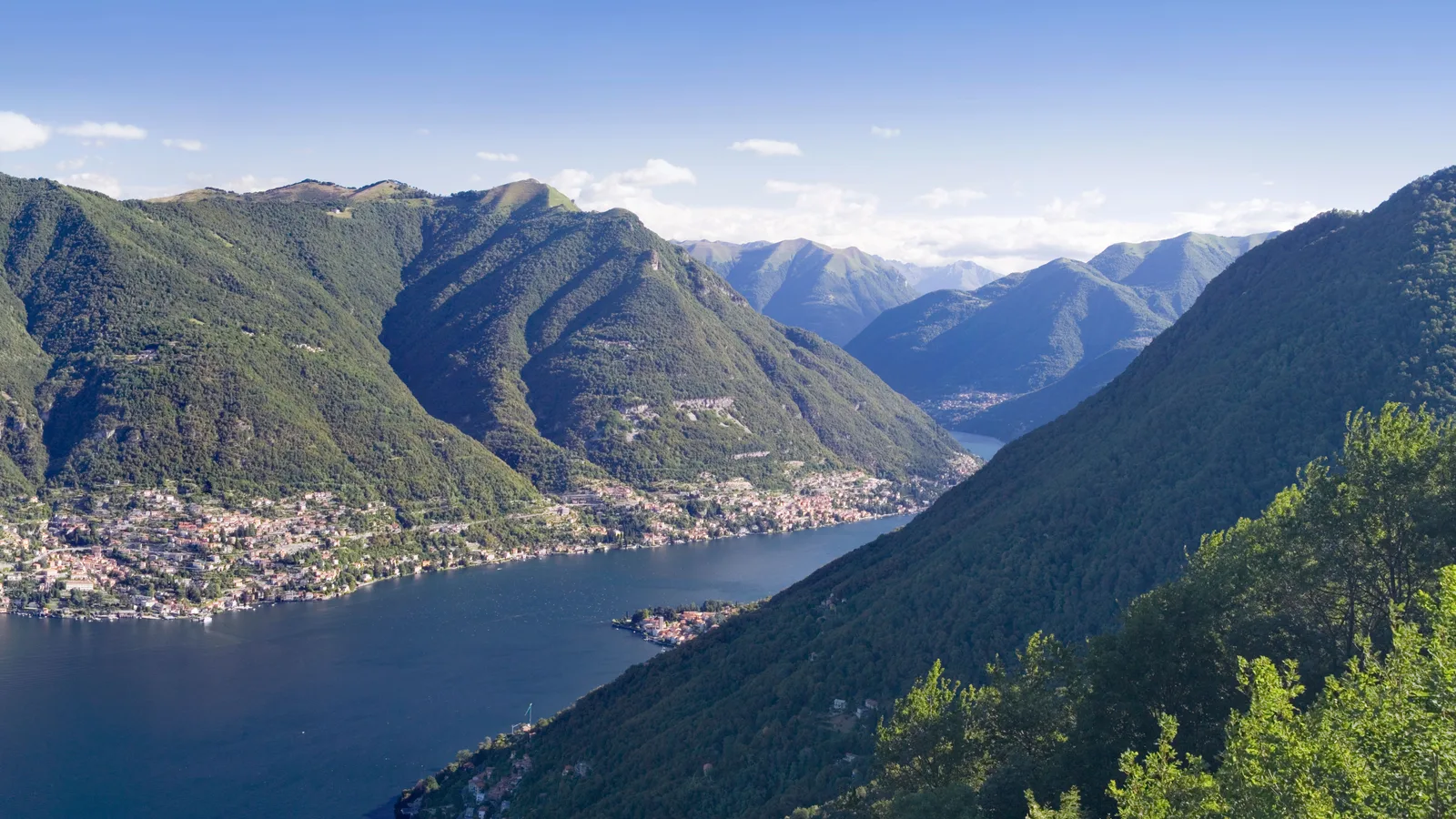
The quick answer: five places worth planning a trip around
Europe is not one destination, so a straight ranking is only as useful as the trip you have in mind. This shortlist is built for a UK traveller choosing where to spend a week or two, and it deliberately mixes coast and city, north and south, cheap and eyewatering.
The quick answer: Lisbon if you want a city break with sea air and trains that go everywhere; the Norwegian fjords if scenery is the entire point; Santorini and the Cyclades if you want to island-hop and swim; Dubrovnik if you want a walled city with warm water at the foot of it; the Amalfi Coast if food and Roman history matter as much as the view.
| Destination | Best for | When to go | Main drawback |
|---|---|---|---|
| Lisbon and the Atlantic coast, Portugal | City break with beaches and seafood | March to June, September to November | Hilly, and the Atlantic is cold even in August |
| The Norwegian fjords | Scenery on an overwhelming scale | May to September | Cost — Norway is the priciest pick here |
| Santorini and the Cyclades, Greece | Island-hopping, swimming and wine | Late May, June and September | Summer crowds and meltemi wind disrupting ferries |
| Dubrovnik and the Dalmatian coast, Croatia | Walled city, clear water, easy island links | May, June and September | Old town crushed on days with several ships in |
| The Amalfi Coast and the Bay of Naples, Italy | Food, Roman sites and cliffside villages | April to June, September to October | Slow coast road, packed buses and endless steps |
1. Lisbon and the Atlantic coast, Portugal
Best for a city break with sea air
Lisbon and the Atlantic coast, Portugal
Lisbon works because it is a real working city with a coast attached. Trams grind up through Alfama and Graça, the miradouros hand you rooftop views for nothing, and Belém packs the Jerónimos Monastery and the Torre de Belém into one riverside walk. Then there is the food: grilled sardines, bifanas, and pastéis de nata still warm from the oven.
The Atlantic is the bonus. Trains from Cais do Sodré follow the estuary to Cascais in about 40 minutes, with Carcavelos and Estoril on the way. The water is cold by Mediterranean standards — lovely for a proper swim from July, bracing at any other time. Sintra, with the Pena Palace and the Quinta da Regaleira, is 40 minutes from Rossio and easily eats a day. Base yourself in Chiado or Príncipe Real and you can walk most of it.
What Lisbon does well
- Compact, walkable centre with cheap trams, trains and river ferries
- Seafood, coffee and custard tarts at prices well below Paris or Venice
- Atlantic beaches and Sintra both reachable by train in under an hour
- Mild from March to November, when the Mediterranean is baking
What to expect
- Built on hills, and the polished calçada stones are treacherous when wet
- Atlantic water stays cold even in high summer
- Alfama and Belém get swamped when several ships are in port at once
2. The Norwegian fjords, Norway
Best for sheer scenery
The Norwegian fjords, Norway
The fjords are the landscape people mean when they say a place looks unreal. Geirangerfjord and Nærøyfjord are both UNESCO World Heritage sites, with waterfalls dropping straight off the cliff faces into water deep enough for a cruise ship to turn around in.
Bergen gives you the Bryggen wharf and the gateway to the Nærøyfjord. Ålesund, rebuilt in Art Nouveau style after the 1904 fire, is the launch point for Geiranger and the Trollstigen pass. The Flåm Railway climbs from the water's edge at the head of the Sognefjord, and in June it barely gets dark — you can still be walking at eleven at night.
You can do it by cruise ship, by the Hurtigruten coastal route, or independently with a car and the fjord ferries. Nothing about it is cheap, and nothing about it is forgettable.
Why it earns the top rating
- Scenery on a scale nothing else in Europe matches
- Very long summer daylight, so days feel twice as long
- Clean, safe and easy to travel, with English spoken everywhere
- Ships put you under the cliffs without a single hairpin bend
The trade-offs
- Norway is the most expensive pick on this list by a wide margin
- Rain is near-certain at some point — Bergen is one of Europe's wettest cities
- Several mountain roads and fjord ferries only run in summer
3. Santorini and the Cyclades, Greece
Best for island-hopping
Santorini and the Cyclades, Greece
Santorini is the postcard: whitewashed villages stacked above a flooded caldera, the famous sunset at Oia, and red and black sand beaches below. Behind the crowds there is real substance — Akrotiri, a Bronze Age town preserved under volcanic ash, and Assyrtiko grapes grown in low basket vines that survive the wind.
Santorini alone is thin for a week, though. Treat it as one stop and add Naxos for beaches and mountain villages, Paros for a working harbour, Milos for rock formations and empty coves, or Folegandros for quiet. Ferries from Piraeus and Rafina take anywhere from three to eight hours depending on the route and the speed of the boat, so build the crossings into the plan rather than around them.
Why the Cyclades work
- Ferries are frequent and the crossings are part of the holiday
- Swimming, seafood and wine all at a high standard
- Long shoulder seasons — late May and September are lovely
What catches people out
- Oia and Fira are overwhelmed on days when cruise ships are in
- Meltemi winds in July and August can cancel fast ferries
- Caldera-view rooms cost far more than rooms one street back
4. Dubrovnik and the Dalmatian coast, Croatia
Best for a walled city you can swim from
Dubrovnik and the Dalmatian coast, Croatia
The old town is a complete walled city of marble-paved streets, and you can walk the full circuit of the walls in about an hour and a half — go at opening time or late afternoon to dodge both the heat and the worst of the crowds. The cable car up to Mount Srđ, the island of Lokrum a short boat ride away, and Banje beach just east of the walls mean you can sightsee and swim in the same afternoon.
Beyond Dubrovnik the Dalmatian coast is a chain of islands — Hvar, Korčula, Mljet — plus Split, where Diocletian's Palace is a Roman ruin with a living town built inside it. Catamarans and ferries link the lot, so the coast works as a hop-on route rather than a single base.
What makes it special
- A medieval walled city you can walk round and then swim from
- Clear, warm Adriatic water with pebble beaches
- Straightforward island-hopping north to Split and the islands
The drawbacks
- The Stradun becomes a crush when several ships are in
- Old town rooms are pricey and stairs are unavoidable
- Beaches are pebbly — pack water shoes
5. The Amalfi Coast and the Bay of Naples, Italy
Best for food and Roman ruins
The Amalfi Coast and the Bay of Naples, Italy
Positano's pastel houses tumble down to a bay lined with beach clubs, Amalfi has the cathedral and the old paper mills, and Ravello, high above, has two gardens — Villa Rufolo and Villa Cimbrone — that justify the climb on their own. The Sentiero degli Dei, the Path of the Gods, is a half-day walk with the best views on the coast.
Below it all sits the Bay of Naples: Pompeii and Herculaneum, Vesuvius, Capri, and the pizza that started everything. Sorrento makes the most practical base — ferries from there reach Capri, Positano and Amalfi, and the Circumvesuviana train rattles to Pompeii and into Naples. Boats are also the way to skip the coast road, which is beautiful and slow in equal measure.
Why it is worth the fuss
- Some of the best eating in Europe, from pizza to lemon granita
- Roman sites, a live volcano and a glamorous coast in one trip
- Ferries link the villages, so you can avoid the worst of the traffic
What to plan around
- The SS163 coast road is slow and the SITA buses are packed
- Steps everywhere — hard work with a suitcase or bad knees
- August is hot, crowded and at its most expensive
How to choose: what actually matters
Four things separate a good European trip from an exhausting one:
- Season first, place second. The same village is a delight in late May and a scrum in mid-August. May, June and September are the sweet spot almost everywhere on this list.
- How you will move. Ferries are the joy of Greece and Croatia and the frustration of them when the meltemi blows or the fast boat is full. Book catamarans ahead in high season. Trains make Portugal and Italy simple; Norway wants a car or a ship.
- City or coast, not both. Trying to bolt Rome onto the Amalfi Coast in four days is how people end up seeing neither properly. Pick a base and take day trips.
- Budget reality. Norway sits in a different price bracket from Portugal or Croatia for the same standard of bed and dinner. If money is tight, go south.
- Currency
- Euro in Portugal, Greece, Croatia and Italy; Norwegian krone in Norway
- Flying time from the UK
- Lisbon, Naples and Dubrovnik are roughly 2½–3 hours; Athens and Bergen are longer
- Schengen limit for UK passports
- 90 days in any rolling 180-day period, counted across all five destinations
- Passport rule
- Issued within the last 10 years and valid for at least three months after you leave
- Best all-round months
- May, June and September
When to go: spring, summer or autumn
| What changes | Spring (April–May) | Summer (June–August) | Autumn (September–October) |
|---|---|---|---|
| Weather | Mild and green; the Mediterranean warms up by late May | Hot and dry, with heatwaves in southern Italy and Greece | The sea is at its warmest after a long summer |
| Crowds | Light outside Easter and city-break weekends | Peak season — Oia, Dubrovnik and Positano at their worst | Busy in early September, quiet by mid-October |
| Prices | Below summer rates, but climbing | Highest of the year, especially hotels and fast ferries | Fall sharply from mid-September |
| Best for | Cities, walking, waterfalls running full in the fjords | Swimming, festivals and midnight sun in the north | Swimming plus sightseeing in comfortable temperatures |
| Watch out for | Some fjord roads and ferries only open late May | Meltemi winds in the Aegean; ferries can be cancelled | Shorter days and much more rain in Norway |
The verdict
Frequently asked questions
How many days do you need in Dubrovnik?
Two full days covers the walls, the old town and a swim, plus an evening on Lokrum or up at Mount Srđ. Add two or three more if you want day trips to Hvar, Korčula or Split.
Can you swim in the sea from Dubrovnik's old town?
Yes. Banje beach is a ten-minute walk east of the Ploče gate, and there are rocky ledges and concrete platforms around the walls. Water shoes make the pebbles far more comfortable.
Do UK travellers need a visa for these destinations?
No, for visits of up to 90 days in any 180-day period. Portugal, Greece, Croatia, Italy and Norway are all in the Schengen area, so time spent in one counts towards the total for all of them.
What is the easiest way to reach the Amalfi Coast without a car?
Fly to Naples, then take a ferry or the Circumvesuviana train to Sorrento and continue by boat. Ferries run between Sorrento, Positano and Amalfi through the warmer months and avoid the coast road entirely.
Is the sea warm enough to swim in the Norwegian fjords?
Not really. Fjord water stays cold even in high summer, so most people manage a brief dip or wear a wetsuit. For long, warm swims, head for the Adriatic or the Aegean instead.
Related articles
The Best Family Cruise Holidays: 5 Picks for UK Families
Five family cruises that work for British parents, from no-fly P&O sailings to Disney magic and Royal Caribbean's big-ship waterparks.
The Best Destinations to Visit in July: 5 Picks for UK Cruisers
Five July cruise destinations compared for British travellers — the fjords, Alaska, the Baltic, Iceland and Greece — with picks by weather and wildlife.
Best Destinations to Go in February: 5 Picks for UK Travellers
From Tenerife's reliable winter sun to the Northern Lights in Tromsø, these are the five best February destinations for UK travellers, compared.