Best Places to Visit in France: Five Picks Worth Planning Around
Paris, the Côte d'Azur, Provence, the Loire and Bordeaux compared: who each place suits, how to get there from the UK and when to go.
The best places to visit in France: the quick answer
France punishes ambition. A fortnight spent ticking off the whole country usually means long motorway days and half-seen sights, while a week in one region feels like a proper holiday. The five places below cover the country's main holiday moods: capital-city culture, a Mediterranean coastline, rural markets and wine, château country, and a food-and-wine city that works entirely on foot.
- Paris if it is your first visit and you want the big sights within walking distance of your hotel.
- Nice if you want sea, sun and a walkable city, with direct flights from most UK airports.
- Provence if you will hire a car and want markets, hilltop villages and long lunches.
- The Loire Valley if châteaux, gentle cycling and easy trains from Paris appeal.
- Bordeaux if food and wine matter more to you than a beach.
How the five picks compare
| Destination | Best for | Typical trip length | Getting there from the UK | Best months |
|---|---|---|---|---|
| Paris | First trips and short breaks | 3–5 days | Eurostar from London in about 2h15; direct flights from regional airports | May–June, September–October |
| Nice and the Côte d'Azur | Sea, sun and a walkable city break | 4–7 days | Direct UK flights to Nice; coastal trains to Antibes, Cannes and Menton | May–June, September |
| Provence | Markets, villages, Roman sights and wine | 5–10 days | TGV to Avignon from Paris in about 2h40, or fly to Marseille | Late May–July, September |
| The Loire Valley | Châteaux, cycling and river towns | 3–5 days | TGV from Paris to Tours or Blois in about 1h10–1h30 | May–June, September |
| Bordeaux | Food, wine and a stylish city break | 3–5 days | TGV from Paris in about 2h10; direct UK flights | May–June, September–October |
Two of the five work perfectly without a car, one needs wheels to be worthwhile, and two sit somewhere in between. If you are travelling by train from the UK, Paris and the Loire are the simplest; Nice and Bordeaux are a short flight or a long rail day; Provence is best reached via Paris or by flying to Marseille.
City picks: Paris, Nice and Bordeaux
Best for a first trip to France
Paris
Paris is the easiest introduction to the country and the one place where a dozen famous sights sit within a couple of kilometres of each other. The Louvre, the Musée d'Orsay and Notre-Dame line the Seine, while the Marais and Montmartre reward anyone who wanders without a plan. The Eurostar arrives at Gare du Nord, so you can be at a café table within half an hour of leaving London.
The trade-off is cost and crowds. Rooms are small and expensive, queues build early, and the city feels harried in July and August. Book timed slots for the headline museums and give yourself a day outside the centre — Versailles by RER, or a slow afternoon along the Canal Saint-Martin.
What it does best
- An unmatched concentration of museums, monuments and good food
- Eurostar from London in about 2h15, with no airport transfer at either end
- Central districts are walkable, with a dense metro for the rest
- Works equally well for a two-night break or a full week
Where it falls short
- Hotel rooms are small and pricey, especially in spring and autumn
- Long queues at the big sights unless you pre-book
- Hot and crowded in July and August
Best for a coastal city break
Nice and the Côte d'Azur
Nice is the most practical way to combine a city break with the Mediterranean. The Promenade des Anglais curves around a long bay, the old town is a maze of narrow streets around the Cours Saleya market, and you can swim in the morning and eat well in the evening without ever needing a car. Coastal trains reach Antibes, Cannes, Menton and the Italian border in under an hour, and Villefranche-sur-Mer and Èze make easy half-days.
Nice is also a major cruise port, which makes it a natural start or end point for a western Mediterranean sailing. Beaches are pebbly rather than sandy, seafront hotels charge a premium, and August brings the heaviest crowds of the year.
What it does best
- Sea, old town and city life all within walking distance
- Direct flights from many UK airports, plus cheap coastal trains
- A major cruise port, handy for pre- or post-sailing stays
- Reliable out-of-season sunshine compared with northern France
Where it falls short
- The main beaches are pebbles, not sand
- Peak prices and a packed seafront in August
- Feels less like everyday France than the smaller towns nearby
Best for food and wine lovers
Bordeaux
Bordeaux has reinvented itself as a city break in its own right. The water mirror at Place de la Bourse, the Cité du Vin and the restored Chartrons riverside quarter fill two or three days comfortably, and the wine regions begin at the city's edge: Saint-Émilion and the Médoc are straightforward by train or on an organised tour. Add the Bassin d'Arcachon and the Dune du Pilat if you want a dose of coast.
Come for food and wine rather than beaches. tastings at the famous châteaux usually need booking well ahead, and moving between estates means appointing a driver or joining a tour. River cruises also leave from the city, which suits anyone combining a city stay with a sailing.
What it does best
- Serious food and wine with a handsome, walkable centre
- Fast TGV from Paris and direct UK flights
- Saint-Émilion and the Médoc within day-trip range
- River cruises depart from the city itself
Where it falls short
- Château visits need booking and often a car or a tour
- Not a beach destination — the coast is an hour away
- Can be stifling during a July heatwave
Countryside picks: Provence and the Loire Valley
Best for markets, villages and slow days
Provence
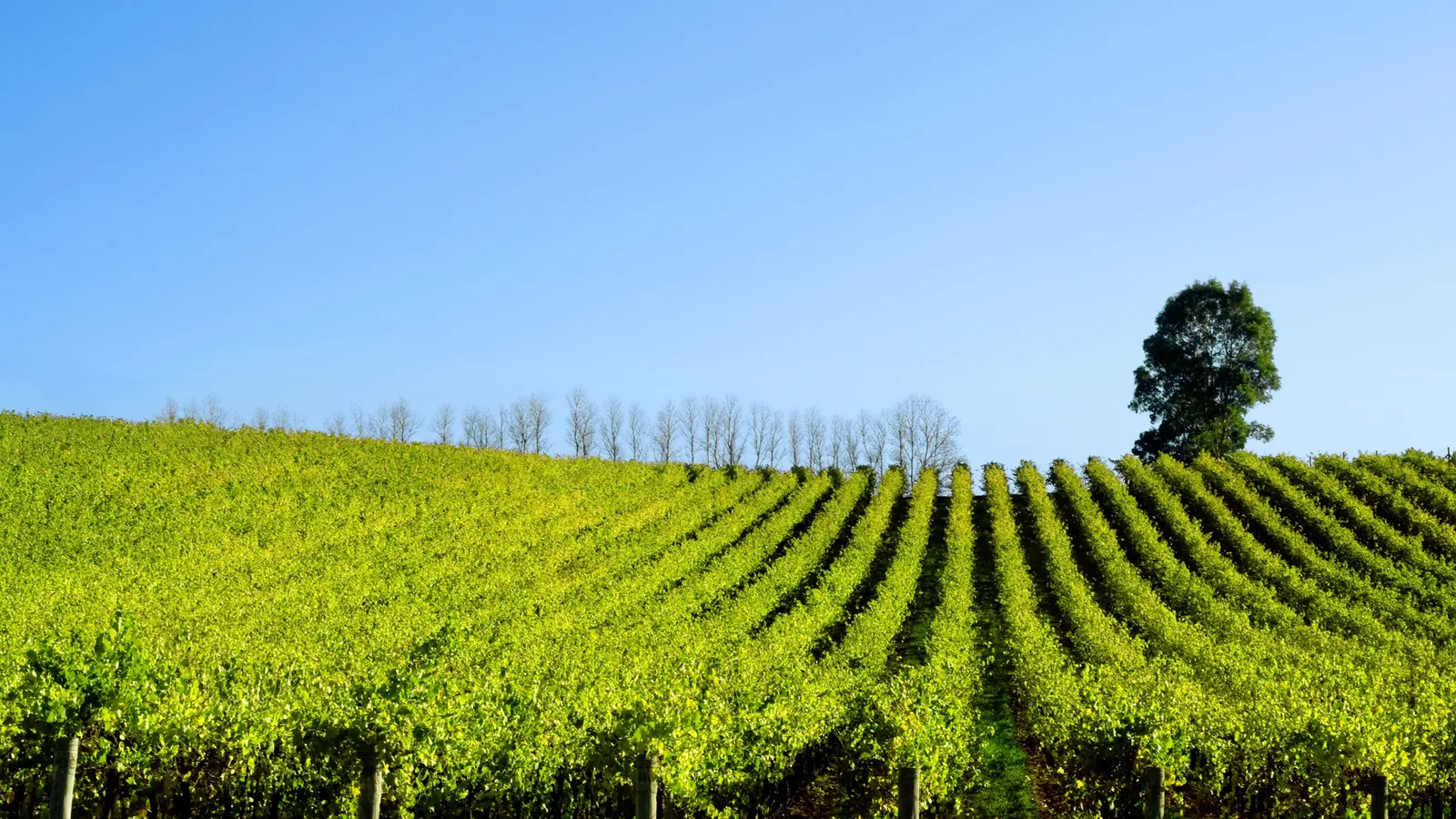
Provence is the region people picture when they imagine rural France: lavender and sunflowers, stone villages on ridges, markets selling olives and goats' cheese, and a glass of rosé at two in the afternoon. Avignon gives you the Palais des Papes and the broken Pont d'Avignon; Arles has a Roman amphitheatre and the streets Van Gogh painted; the Pont du Gard aqueduct is a short drive away. Base yourself in one or two places rather than touring — the Luberon villages of Gordes, Roussillon and Ménerbes are close together but slow to reach on small roads.
A car is close to essential outside the cities, and July and August bring real heat and traffic. Late June is the sweet spot: lavender near its best and the roads still manageable.
What it does best
- Markets, vineyards and hilltop villages within a short drive
- Roman monuments at Arles, Orange and the Pont du Gard
- Dependable sunshine from May to September
- Good TGV links to Avignon and Marseille
Where it falls short
- A hire car is needed to see the best villages
- Lavender season is short — roughly mid-June to mid-July
- Very hot and busy in July and August
Best for châteaux and easy cycling
The Loire Valley
The Loire Valley is the easiest big-sight region in France to do without a car. Chambord, Chenonceau, Cheverny and Amboise are linked by quiet roads and waymarked cycle routes, and trains from Paris put you in Tours or Blois in little more than an hour. The châteaux are the draw, but the appeal is the pace: vineyards at Vouvray and Chinon, troglodyte caves, riverside picnics and small towns that do not feel staged.
Budget three or four days and resist seeing every château — interiors blur after the third or fourth. Chenonceau and Chambord are the two worth building a day around.
What it does best
- Châteaux, vineyards and river scenery in one compact area
- Cycling is genuinely practical between many of the sights
- Quick TGV from Paris, and ferry access via Normandy
- Good-value self-catering and small hotels
Where it falls short
- Sights are spread out; you will want a car, bikes or taxis
- Château fatigue sets in if you overdo it
- Many interiors are sparse — the architecture is the point
How to choose where to go
Most disappointing French holidays come down to logistics rather than the destination itself. Work through these five points before you book anything.
- Travel time — Paris and the Loire are short hops from London. Provence and the Riviera cost you most of a day in transit, which is worth it for a week but not for a long weekend.
- Car or no car — Paris, Nice and Bordeaux work on foot and by public transport. Provence needs a car for the villages; the Loire can be done by bike.
- Season — late May, June and September give you the best weather without the August peak, and lavender is at its best in late June.
- Pace — two bases in a week is plenty. Three is a lot of packing and checking in.
- Budget — Paris and the Riviera are the priciest of the five; the Loire and inland Provence stretch your money much further.
Getting there from the UK
The train is often the better experience and sometimes the cheaper one, particularly London to Paris or Lille. Ferries make sense if you are driving to the Loire, Normandy or Brittany, and flights win on time for the Riviera and the far south. Booking rail and ferry travel well ahead is where the savings are.
- London to Paris
- Eurostar, about 2h15, city centre to city centre
- London to Lille
- Eurostar, about 1h20 — the usual change for TGVs south
- Paris to Avignon
- TGV, about 2h40
- Paris to Bordeaux
- TGV, about 2h10
- Paris to Tours or Blois
- TGV, roughly 1h10 to 1h30
- Ferry routes
- Dover to Calais; Portsmouth to Caen, Cherbourg and Saint-Malo; Newhaven to Dieppe
Why the train works well
- City-centre to city-centre, with no airport transfers at either end
- Generous luggage allowances compared with budget flights
- Direct services from London to Paris and Lille, with onward TGVs
- Comfortable for anyone who dislikes flying
Where it falls short
- Fares climb sharply if you book late or travel at peak times
- Not every region has a straightforward rail route from the UK
- Strike days can disrupt plans, so keep a backup option in mind
When to go
Spring, from May to mid-June, and early autumn, from September to mid-October, are the best all-round months: warm without the crush, and cheaper than high summer. The Mediterranean coast stays comfortable into October, while Paris and the Loire can turn damp and cool by late October. Winter is quiet and cheap in the cities — Paris museums are blissful in January — but many coastal resorts and rural restaurants shut between November and March. If you are combining a city stay with a cruise, the Mediterranean season runs roughly from April to October.
The verdict
Common questions about visiting France
How many days do you need in Paris?
Three full days covers the Louvre, the Eiffel Tower and a good walk along the Seine. Add a day for Versailles or a theme park, and most people find five days is plenty for a first visit.
Do you need a car in Provence?
For the Luberon hilltop villages, yes — buses are thin and taxis expensive. Avignon, Arles and Marseille are well connected by train, so you can base in a city and hire a car for two or three days.
When is the lavender in bloom in Provence?
Usually from mid-June to mid-July on the Valensole plateau and around Sault, with harvest running into late July. Altitude shifts the dates by a week or two, so check locally if lavender is the main reason for your trip.
Can you get to France from the UK without flying?
Yes. Eurostar runs from London to Paris and Lille, ferries cross to Calais, Caen, Cherbourg, Saint-Malo and Roscoff, and coach services run to Paris and beyond.
Which is better for a first trip, Paris or the Riviera?
Paris for a short first visit, because the sights are close together and much of the centre is walkable. The Riviera suits a longer, slower trip and works well paired with a few days inland.
Related articles
The Best Family Cruise Holidays: 5 Picks for UK Families
Five family cruises that work for British parents, from no-fly P&O sailings to Disney magic and Royal Caribbean's big-ship waterparks.

The Best Destinations to Visit in July: 5 Picks for UK Cruisers
Five July cruise destinations compared for British travellers — the fjords, Alaska, the Baltic, Iceland and Greece — with picks by weather and wildlife.
Best Destinations to Go in February: 5 Picks for UK Travellers
From Tenerife's reliable winter sun to the Northern Lights in Tromsø, these are the five best February destinations for UK travellers, compared.