The Best Places to Visit in Ireland: 5 Picks for UK Travellers
The best places to visit in Ireland for UK travellers, from Dublin and Galway to Killarney, Belfast and Donegal, with a comparison table and planning tips.
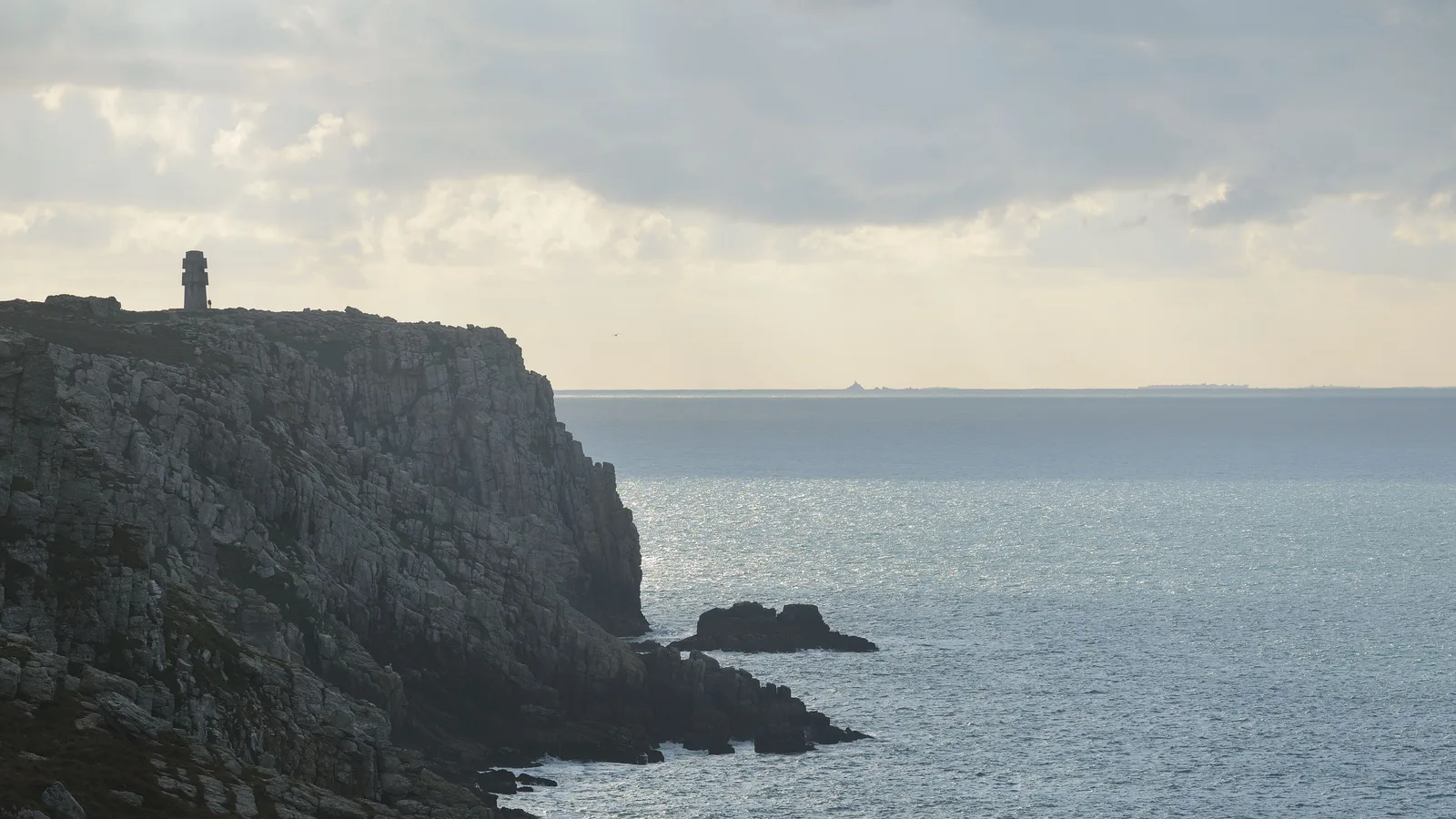
Ireland at a glance
Ireland packs a great deal into a small island, and the real planning problem is deciding which corner to base yourself in. The east gives you Dublin and the shortest flights; the west gives you Connemara, Kerry and Donegal; the north-east gives you Belfast and the Antrim coast. Most UK visitors have five to seven days, which realistically covers one city plus one coastal region — or two regions if you accept a fair amount of driving.
The five places below are the ones that repay a visit most clearly, whether you are judging them on scenery, atmosphere, how easy they are to get around without a car, or how good a day ashore they make from a cruise ship.
- Currency
- Euro in the Republic of Ireland; pound sterling in Northern Ireland
- Language
- English everywhere, with Irish used on signage and in the Gaeltacht areas
- Driving
- On the left, as in the UK; narrow rural roads need patience
- Flights from Great Britain
- Around 1 hour 20 minutes from London to Dublin; frequent services from regional airports
- Plugs
- Type G, the same three-pin plugs used in the UK
- Time zone
- GMT in winter and IST in summer, matching UK time
The quick answer: which place suits which trip
Here is the short version before the detail:
- Dublin — best for a first visit, a short break, or a single day ashore.
- Galway and Connemara — best all-rounder: music, pubs and wild coast in one trip.
- Killarney and the Ring of Kerry — best for postcard scenery with the least driving.
- Belfast and the Causeway Coast — best for pairing a city break with a dramatic coastline.
- Donegal and the Wild Atlantic Way — best for empty beaches, sea cliffs and quiet roads.
With three days, take Dublin plus one coastal region. With a week, Galway and Killarney combine well by train and bus, adding a car only for the Connemara and Kerry legs.
The five best places to visit in Ireland
Best for a first city break
Dublin
Dublin is the gentlest introduction to Ireland and the strongest choice for a short break. Most headline sights — Trinity College and the Book of Kells, Dublin Castle, both cathedrals, the Guinness Storehouse and the museums around Merrion Square — sit within a walk or a short bus ride of the Liffey, so two or three days covers plenty without a car. The coastal villages of Howth and Malahide are a quick DART train ride from the centre for a half-day by the sea. It suits first-timers, city-break travellers and cruise passengers with a single day ashore, but it is the least dramatic of the five for landscape.
Why it works
- Most major sights within about 30 minutes on foot of the centre
- DART trains to Howth and Malahide for an easy coastal half-day
- Works year-round, with museums, theatres and pubs for wet days
- Direct flights from most UK airports, and a cruise berth at Dublin Port
Where it falls short
- The highest accommodation prices of the five, especially at weekends
- Temple Bar is crowded and expensive in high season
- No wild scenery — you have to travel west for that
Best all-round base
Galway and Connemara
Galway is the best all-round base in Ireland: a compact, walkable city with a genuinely lively pub and traditional music scene, and Connemara's lakes, bogs and mountains on the doorstep. Spend a day or two around the Latin Quarter and Shop Street, then head west through Maam Cross to Clifden, Kylemore Abbey and the Sky Road, or catch the ferry to the Aran Islands. It is the pick if you want atmosphere and wild coast without committing to a fully remote driving holiday — but you will need a car, a tour or a bus to see Connemara itself.
Why it works
- The best pub and traditional music scene of the five
- City comforts with wild coast within an hour's drive
- Good base for Aran Islands ferries and Connemara day trips
- Compact centre that is easy to explore on foot
Where it falls short
- Connemara's best sights need a car, tour or bus
- Summer and festival weekends book up well in advance
- Rain is frequent, so plan around it rather than hoping for sun
Best classic scenery
Killarney and the Ring of Kerry
Killarney delivers the Ireland of the postcards: lakes, oak woodland and mountain passes within a few miles of a town built for visitors. Killarney National Park, Muckross House and Torc Waterfall can be reached by bike, jaunting car or on foot, while the Ring of Kerry and the Gap of Dunloe are classic day drives. Coach tours, rail links and local operators make this the easiest of the five to do without driving, which is why it suits mixed-age groups and shorter breaks.
Why it works
- A national park and lakes right on the edge of town
- The easiest of the five to see without a car
- Plenty of hotels, guesthouses and restaurants across price brackets
- Handy springboard for the Dingle and Beara peninsulas
Where it falls short
- Very busy in July and August
- The town itself is tourist-focused rather than characterful
- The Ring of Kerry is slow going in season with coach traffic
Best city-plus-coast trip
Belfast and the Causeway Coast
Belfast earns its place on a two-centre trip: a Victorian city with Titanic Belfast, St George's Market, the Cathedral Quarter and a strong food scene, plus the glens and cliffs of the Antrim coast an hour or so away. The Giant's Causeway, the Glens of Antrim and the north coast beaches make an easy second half of the trip. It is the obvious choice if you arrive by ferry into Belfast Harbour or want a city break that costs less than Dublin — just remember Northern Ireland uses sterling, so euros will not work here.
Why it works
- City break and coastal scenery in one trip
- Titanic Belfast is one of the best museums on the island
- Hotels and eating out generally cost less than in Dublin
- Good rail links from the city out to the coast
Where it falls short
- Sterling, so a cross-border trip means two currencies
- Coastal sights are spread out and need a car or tour
- The north coast is exposed and the weather changes fast
Best for space and quiet
Donegal and the Wild Atlantic Way
Donegal is the pick for space and quiet. The county has Ireland's highest sea cliffs at Slieve League, the estate and gardens of Glenveagh National Park, long empty beaches around Portsalon and Narin, and Malin Head at the top of the island. It forms part of the Wild Atlantic Way and feels far removed from the crowds of the south-west, but public transport is thin and a car is close to essential. Killybegs is the main cruise berth, and it is a fair drive from there to the headline sights, so a port day here needs careful planning.
Why it works
- Slieve League and Glenveagh are outstanding and rarely crowded
- Beaches and mountain roads with very little traffic
- Good-value guesthouses and excellent seafood towns
- Feels genuinely remote without leaving the island
Where it falls short
- A car is close to essential; buses are infrequent
- Atlantic weather is changeable even in midsummer
- Sights are far apart — allow more time than the map suggests
How the five compare side by side
| Place | Cruise port | Car-free friendly | Signature experience | Best months |
|---|---|---|---|---|
| Dublin | Dublin Port, a short shuttle from the centre | Yes — walkable centre plus DART trains | Trinity College, the Guinness Storehouse and Georgian streets | Any month; May to September for the best weather |
| Galway and Connemara | Galway Harbour on some cruise itineraries | Town yes; Connemara needs a car or tour | Latin Quarter music nights and Connemara day trips | May to September |
| Killarney and the Ring of Kerry | Nearest is Cobh in Cork, roughly two hours away | Yes — tours and trains cover the main sights | Killarney National Park and the Ring of Kerry drive | May to September |
| Belfast and the Causeway Coast | Belfast Harbour, close to Titanic Belfast | Yes — trains and organised coast tours | Titanic Belfast and the Giant's Causeway | May to September |
| Donegal and the Wild Atlantic Way | Killybegs for cruise calls | No — a car is close to essential | Slieve League cliffs and Glenveagh National Park | June to September |
Read the table by trip type rather than by ranking. If you are not driving, Dublin, Belfast and Killarney do the heavy lifting; if you are driving, Connemara and Donegal reward the effort with the best landscapes of the five. Cruise passengers should weigh the berth against the sight: Dublin and Belfast put a headline attraction within easy reach of the ship, while Killybegs leaves you with a long transfer before the cliffs.
What to weigh up before you choose
- Scenery and coastline
- 5.0/5
Any western pick delivers; Slieve League, Connemara and the Kerry coast are the standouts, with Dublin well behind.
- Food, drink and atmosphere
- 4.5/5
Galway and Belfast lead on pubs and restaurants; Killarney is reliable but touristy.
- Getting around without a car
- 3.5/5
Dublin, Belfast and Killarney are straightforward; Connemara and Donegal effectively require a car.
- Value for money
- 3.5/5
Dublin is the priciest for beds; Belfast and Donegal stretch a budget further.
- Cruise-day practicality
- 4.0/5
Dublin and Belfast put a headline sight near the berth; Killybegs does not.
Three criteria decide most trips. How much driving you are willing to do narrows the field fastest: the west and north-west are car country, while the east and Killarney work on trains, buses and tours. Season matters just as much — July and August bring the best odds of dry weather and the biggest crowds, while May, June and September are quieter with long daylight. Trip length settles the rest: with three or four days, choose one place and do it properly rather than ticking off two regions through a windscreen.
Practical planning notes
Two currencies, one island: euros in the Republic, sterling in Northern Ireland. Cards are widely accepted, but keep a little cash for rural pubs, car parks and small attractions. If you are driving, pre-book an automatic if you need one, as manuals dominate rental fleets, and allow far more time than a map suggests for any road with a hedge down the middle.
The verdict
Frequently asked questions about visiting Ireland
Do I need a car to see the best of Ireland?
Not for Dublin, Belfast or Killarney, where trains, buses and organised tours cover the main sights. A car makes a real difference in Connemara and Donegal, where public transport is sparse and the best viewpoints sit off the main roads.
How many days do you need for a first trip?
Five to seven days lets you pair a city with one coastal region without spending the trip behind a windscreen. Ten days or more makes a Dublin, Galway, Killarney and Belfast route comfortable rather than rushed.
When is the best time of year to go?
May to September gives the longest days and the best chance of settled weather. Daylight is short in December and January, when some rural attractions and boat trips run reduced hours or close.
Is Northern Ireland part of an Ireland trip?
It is on the same island and easy to add by train or car from Dublin. Belfast uses sterling, and UK travellers cross no border control on the land route under the Common Travel Area.
What should cruise passengers prioritise?
One good sight rather than three. Choose the excursion that starts nearest the berth, keep an eye on all-aboard time, and save the long transits — Slieve League, the Ring of Kerry — for a land-based holiday.
Related articles
The Best Family Cruise Holidays: 5 Picks for UK Families
Five family cruises that work for British parents, from no-fly P&O sailings to Disney magic and Royal Caribbean's big-ship waterparks.
The Best Destinations to Visit in July: 5 Picks for UK Cruisers
Five July cruise destinations compared for British travellers — the fjords, Alaska, the Baltic, Iceland and Greece — with picks by weather and wildlife.
Best Destinations to Go in February: 5 Picks for UK Travellers
From Tenerife's reliable winter sun to the Northern Lights in Tromsø, these are the five best February destinations for UK travellers, compared.