Best Places to Visit in Italy: 5 Picks for UK Travellers
Rome, Florence, Venice, the Amalfi Coast and Sicily compared: what each is best for, how long to stay and the easiest cruise ports from the UK.
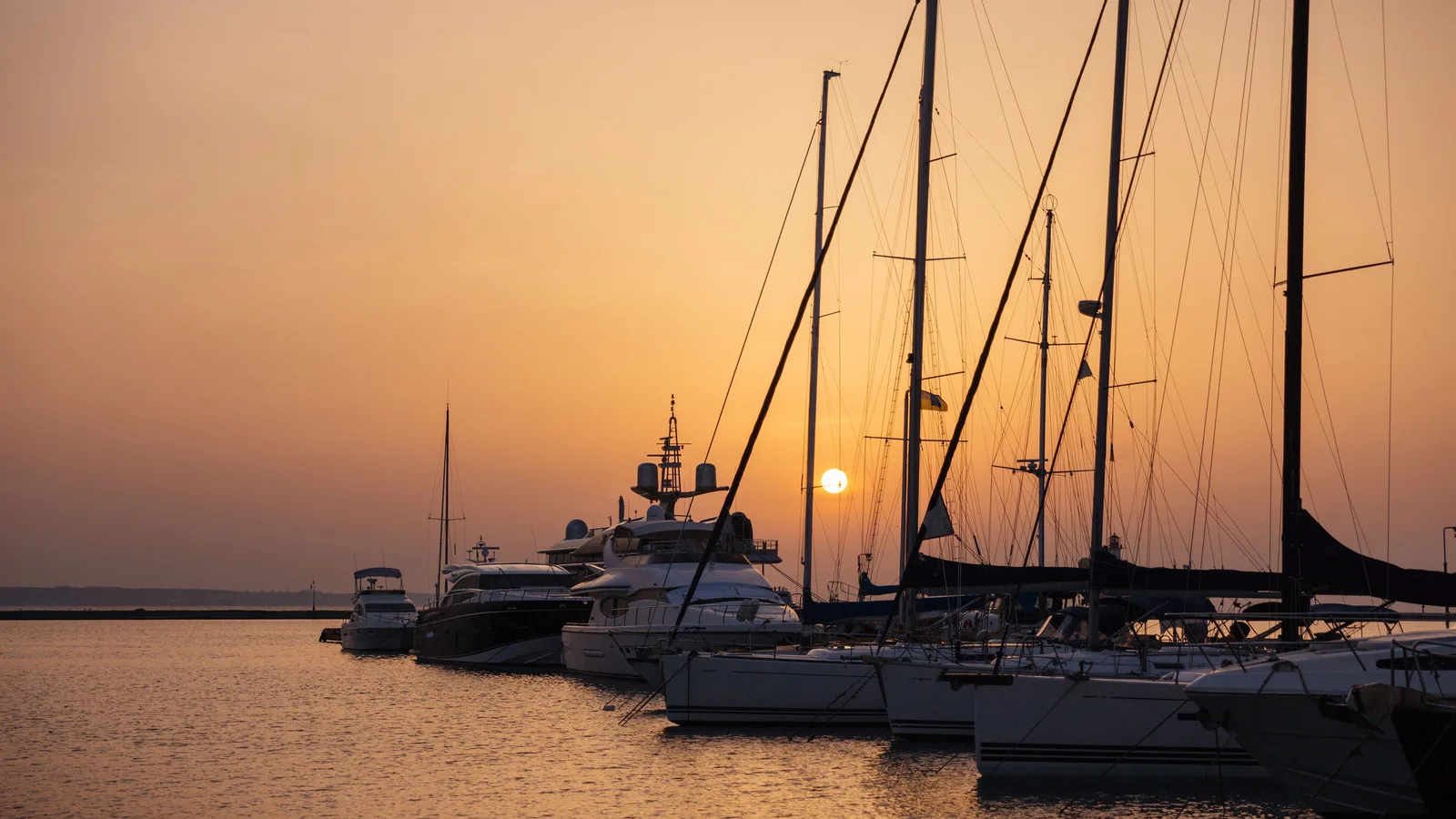
Which Italian destination is right for you?
Italy is narrow enough to cross in a day and dense enough to fill a month, which is why "where should I go?" has almost no wrong answers and plenty of mismatched ones. The choice comes down to what you actually want from the trip: ancient streets, Renaissance painting, a cliffside village, or an island where the pace drops.
For a first visit, the answer is usually Rome — it puts the ancient city, the baroque squares and the food within one walkable centre. After that, pick by appetite:
- Rome — the all-rounder, and the easiest city to bolt onto a cruise from Civitavecchia
- Florence — art and architecture in a centre you can cross on foot in twenty minutes
- Venice — the setting no other city can match
- Amalfi Coast — cliffs, sea and coastal walks
- Sicily — ruins, beaches, Etna and a fortnight's worth of variety
This guide is written for UK travellers, including those sailing in or out of Italian ports: each pick notes how it works from the water as well as on land.
The five picks at a glance
| Destination | Best for | Ideal length of stay | Cruise access |
|---|---|---|---|
| Rome | Ruins, piazzas and food in one walkable centre | 3–4 days | Civitavecchia, just over an hour by regional train |
| Florence | Renaissance art and architecture | 2–3 days | Livorno, around 90 minutes by coach or train |
| Venice | Canals, palaces and lagoon islands | 2–3 days | Ships berth on the mainland; transfer into the city |
| Amalfi Coast | Cliffside villages and coastal walking | 3–5 days | Naples or Salerno, then ferry, coach or car |
| Sicily | Island variety: Greek ruins, beaches, Etna | 5–7 days | Palermo, Messina or Catania |
A port day is not the same as a holiday. Most cruise calls give you six to eight hours ashore, which flatters Venice and the Amalfi Coast and squeezes Rome and Florence badly — both need a proper stay to be worth the journey. If your itinerary only allows one Italian call, choose the port where the highlight is close to the ship.
Rome: the best all-rounder
Best overall
Rome
Rome is the obvious answer to the question, and for once the obvious answer is right. The historic centre is genuinely walkable — the Pantheon, Piazza Navona, Campo de' Fiori and the Trevi Fountain sit within twenty minutes of one another — while the Colosseum and Forum, the Vatican Museums and St Peter's each deserve half a day of their own.
It is also the easiest Italian city to build a cruise around. Ships calling at Civitavecchia are just over an hour from the city by regional train, so Rome works as a two-night stay before a sailing rather than a frantic dash from the port and back.
Aim for April, May, late September or October. July and August are punishing, and the queues at the Colosseum and around St Peter's are long enough to swallow a morning. Eat away from the main squares: Trastevere and Testaccio reward a twenty-minute walk.
Why we rate it
- Ancient, medieval and baroque sights packed into one walkable centre
- Straightforward train link from Civitavecchia for cruise passengers
- Superb trattorias once you step off the main tourist drags
- Fast rail connections to Florence, Naples and the south
What to watch for
- The Colosseum, Forum and Vatican Museums need timed tickets booked well ahead
- Serious heat and crowds in midsummer
- Pickpockets and menu-tout restaurants near the biggest sights
Florence: the best for art and architecture
Best for art and architecture
Florence
Florence holds the densest concentration of Renaissance art anywhere, and it holds it in a centre small enough to cross in twenty minutes. The Uffizi, the Accademia with Michelangelo's David, the Duomo and Brunelleschi's dome, Santa Croce and the Pitti Palace are all within a short stroll of each other.
It is also the best base in Italy for day trips: Siena, Pisa, Lucca and the Chianti hills are all reachable by train or on an organised tour, which matters if you would rather not drive.
For cruise passengers the port is Livorno, roughly ninety minutes away by coach or train, and some itineraries use La Spezia instead. That makes Florence workable as a long port day, though the city is much better with a night or two — the streets empty in the evening once the coach parties leave.
Why we rate it
- World-class art within a short walk of your hotel
- Easy day trips to Siena, Pisa and the Chianti wine country
- Compact, flat and simple to navigate on foot
- Excellent food market culture at San Lorenzo and Sant'Ambrogio
What to watch for
- The centre is overwhelmed in July and August
- Historic-centre hotel rooms are scarce and expensive in peak season
- Little shade and few green spaces at midday in summer
Venice: the most unforgettable setting
Most unforgettable setting
Venice
No other city looks like Venice. St Mark's Square, the Doge's Palace, the Rialto markets and the back-street squares of Dorsoduro and Cannaregio are best seen slowly, on foot and by vaporetto, with a half-day set aside for Murano, Burano and Torcello in the lagoon.
Cruise passengers should know that large ships no longer sail past St Mark's; they berth on the mainland and you transfer in by people mover, tram or bus. Allow proper time for that, and check whether your visit falls on one of the peak dates when the city charges a day-tripper access fee.
Venice is at its best after the day-trippers leave. Staying overnight costs more, but it buys you empty squares at dusk and a city that finally feels lived in.
Why we rate it
- A setting you will not find anywhere else in Europe
- Lagoon islands are an easy half-day by vaporetto
- Early mornings and evenings are genuinely quiet
- Compact enough to cover on foot without public transport
What to watch for
- High prices for hotels, coffee and gondola rides
- Crowded and humid in midsummer
- Cruise berths are on the mainland, so budget transfer time
- Autumn acqua alta can flood low-lying streets
Amalfi Coast: the best coastal scenery
Best coastal scenery
Amalfi Coast
The Amalfi Coast is the stretch of cliff road and pastel villages between Positano and Salerno: Positano stacked above its beach, Amalfi around its cathedral square, and Ravello sitting high above the water with gardens and views that justify the climb.
It is a walking destination as much as a beach one. The Path of the Gods traverse is the best-known route, and ferries between the villages beat the coastal road hands down in summer, when the buses are packed and the traffic crawls.
Sorrento is the practical base if you want easier transport and connections to Pompeii, Capri and Naples; the villages themselves are prettier but harder work. From a cruise, Naples and Salerno are the usual gateways, and Salerno gives the quicker run along the coast.
Why we rate it
- Some of the finest coastal scenery in the Mediterranean
- Village-to-village ferries make car-free travel realistic
- Excellent walking, including the Path of the Gods
- Easy add-ons: Pompeii, Capri and Sorrento
What to watch for
- The coast road is slow and congested from June to September
- Beaches are pebbly and small, and sunbeds get booked out
- Hotels and restaurants charge a premium for a sea view
Sicily: the best for variety
Best for variety and value
Sicily
Sicily is effectively a country of its own. Palermo brings Arab-Norman palaces, loud street markets and the mosaics at Monreale; Agrigento has the Valley of the Temples; Syracuse and Ortygia mix Greek ruins with baroque lanes; Taormina and Mount Etna sit at the other end of the island, with the Aeolian Islands a ferry ride away.
That variety comes at a cost in time. Distances are real, public transport is patchy away from the main lines, and a car makes a genuine difference if you want the interior and the quieter beaches. Give it a week rather than a long weekend.
For cruise passengers, Palermo, Messina, Catania and Trapani all appear on itineraries, and each drops you close to a major sight — which makes Sicily one of the better Italian ports for a short call.
Why we rate it
- Greek temples, baroque towns, beaches and Etna in one trip
- Generally better value than the classic Rome–Florence–Venice circuit
- Excellent food, from Palermo street snacks to seafood in Catania
- Ports put you close to the highlights on a short call
What to watch for
- You need a car to see the island properly, and driving in Palermo is not for the faint-hearted
- Long transfers between the eastern and western ends
- Some coastal resorts close down outside the summer season
How to choose between them
Work through these in order and the shortlist usually picks itself:
- How much time do you have? A long weekend suits Florence or Venice; a week opens up Sicily or a Rome-and-Amalfi combination.
- City or coast? Rome, Florence and Venice are city breaks. The Amalfi Coast and much of Sicily are about sea, scenery and slow days.
- When are you travelling? Spring and autumn flatter all five. July and August push you towards the coast and early starts.
- Will you drive? Rome, Florence and Venice are easier without a car. Sicily and rural Tuscany are not.
- Are you sailing? Match the city to the port: Civitavecchia for Rome, Livorno for Florence, the mainland terminals for Venice, Naples or Salerno for the Amalfi Coast.
- Variety of things to see
- 5.0/5
Rome and Sicily lead; Venice is concentrated but delivers more per square metre than anywhere else.
- Ease without a car
- 4.5/5
Rome, Florence and Venice are simple on foot and by train. Sicily really wants a car.
- Coast and scenery
- 5.0/5
The Amalfi Coast and Venice are the standouts; Sicily adds islands, beaches and Etna.
- Crowd levels in high season
- 2.5/5
Florence and Venice feel the pressure most in July and August; Sicily absorbs visitors better.
- Value outside peak weeks
- 3.5/5
Sicily and Rome in spring or late autumn give the most for your money; Venice and the Amalfi Coast the least.
Practical planning for UK travellers
Direct flights run from several UK airports to Rome, Naples, Venice, Florence, Palermo and Catania, so most of these destinations are a single hop away. High-speed trains link Rome, Florence, Naples and Venice, and booking ahead on either Frecciarossa or Italo services is cheaper than turning up on the day.
Your passport must have been issued within the last ten years and be valid for at least three months beyond the date you leave the Schengen area. Check the latest government travel advice before you book, and allow for biometric registration at your first entry point.
The verdict
Frequently asked questions
How many days do you need in Florence?
Two full days covers the Uffizi, the Accademia and the Duomo. Use a third day for Siena or the Chianti hills rather than adding more museums — the churches and galleries are magnificent but the repetition wears thin.
When should you avoid the Amalfi Coast?
Late July and August, when the coastal road jams, ferries are packed and room rates peak. May, June and September are calmer, and ferries still run on a full timetable.
Can you see Venice in a day?
You can tick off St Mark's and the Rialto, but you will miss the best of it. The city empties after the day-trippers leave, and Murano, Burano and Torcello need half a day of their own.
Do UK travellers need a visa for Italy?
No visa is needed for short tourist visits. Your passport must be valid for at least three months beyond your departure date and have been issued within the last ten years. Always check the latest government travel advice before booking.
Is Sicily worth visiting outside summer?
Yes. Palermo and Catania stay open year-round and winter temperatures are mild, though some beach resorts and seasonal ferry services wind down between November and March. Etna is often snow-capped in winter.
Rome or Florence for a first trip?
Rome, if you want ancient ruins, big-city atmosphere and plenty of choice for a three- or four-day break. Florence suits a shorter, art-focused stay. They are close enough by high-speed train that many people do both.
Related articles

The Best Family Cruise Holidays: 5 Picks for UK Families
Five family cruises that work for British parents, from no-fly P&O sailings to Disney magic and Royal Caribbean's big-ship waterparks.

The Best Destinations to Visit in July: 5 Picks for UK Cruisers
Five July cruise destinations compared for British travellers — the fjords, Alaska, the Baltic, Iceland and Greece — with picks by weather and wildlife.
Best Destinations to Go in February: 5 Picks for UK Travellers
From Tenerife's reliable winter sun to the Northern Lights in Tromsø, these are the five best February destinations for UK travellers, compared.