Best things to do in Venice: five experiences worth booking
Plan your Venice days around five experiences that repay the effort, from St Mark's Basilica to the lagoon islands, with practical booking and timing tips.
The quick answer: what to prioritise in Venice
Venice rewards a short, focused plan more than a long tick-list. For a first visit, book St Mark's Basilica and the Doge's Palace for the same morning, then ride the Grand Canal by vaporetto Line 1 at least once. That combination gives you the city's headline church, its political history and the canal views that explain why Venice exists. Add a gondola ride only if you are marking an occasion, and treat Murano and Burano as a separate half-day or day out.
With one full day, do the basilica, the palace and a Line 1 ride between them; with two days, give the lagoon islands their own morning. Cruise passengers should book timed entries for the first slot they can realistically reach, because the journey from the port eats into the day.
The five best things to do in Venice
First-time awe
St Mark's Basilica
St Mark's is the Venice of the imagination: gold mosaics, marble floors and a nave that has absorbed centuries of civic and religious power. It is also a working church, not a museum, so visit with that in mind. Cover shoulders and knees, leave large bags behind, and go early if you want any chance of calm. The main visit is short enough to pair with the Doge's Palace, but the Pala d'Oro and the museum and loggia are optional extras that add time. Check service times before you travel, because they can restrict tourist access.
Strengths
- The most immediate wow factor in Venice
- Central and easy to combine with the square
- Short visit that suits a tight itinerary
Watch-outs
- Queues and bag checks slow entry
- Dress code is enforced
- Crowded interior in peak hours
History and the Bridge of Sighs
Doge's Palace
The Doge's Palace is where Venice's republican story becomes concrete: the Golden Staircase, the huge council chamber, the Bridge of Sighs and the prisons. It is a proper museum with a lot of rooms, so give it two to three hours rather than treating it as a photo stop. Book a timed ticket, and decide before you go whether the separate secret itineraries tour matters; it is a different way to see the building and it sells out. The palace works in rain and heat, which makes it a useful anchor for a mixed-weather day.
Strengths
- Strong, clear historical narrative
- Bridge of Sighs and prisons are memorable
- Good bad-weather option
Watch-outs
- Large and tiring
- Crowded in the main rooms
- Secret itineraries need separate booking
Low-cost canal sightseeing
Grand Canal by ACTV vaporetto Line 1
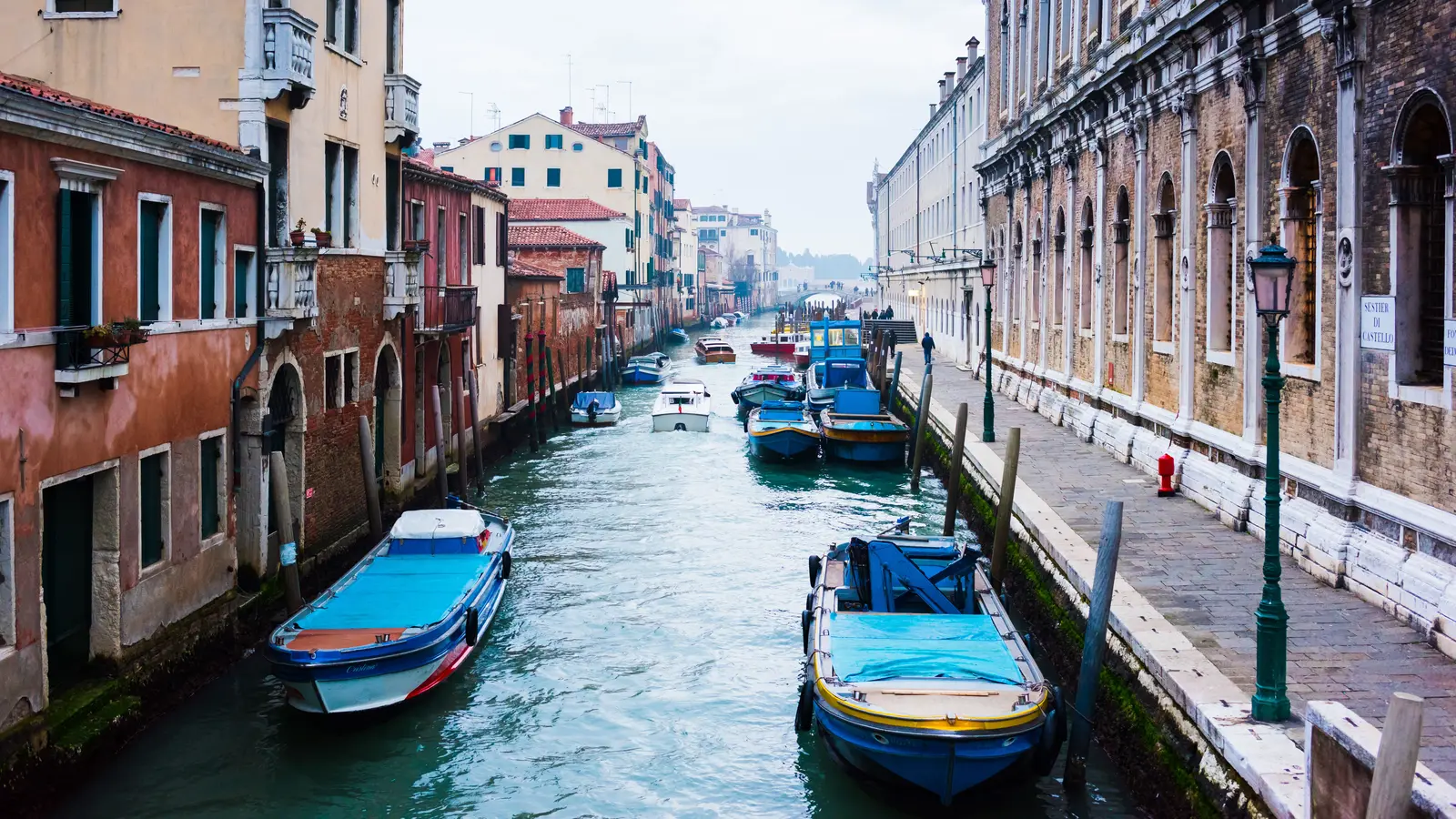
Vaporetto Line 1 is the local waterbus that runs the length of the Grand Canal, and it is the smartest cheap sightseeing in the city. Board at Piazzale Roma or the railway station and ride towards San Marco, or reverse the route to avoid the worst crush. Stand at the rear or find a seat on the side for the best views. Validate your ticket before boarding and keep it on you; inspectors do check. This is public transport, not a commentary cruise, so bring a map or download one before you leave.
Strengths
- Covers the Grand Canal end to end
- Useful transport as well as sightseeing
- Frequent service
Watch-outs
- Packed at peak times
- No commentary
- Not comfortable with luggage
Special-occasion romance
Venice gondola ride
A gondola is a short, expensive, unmistakably Venetian experience, and it works best when you stop pretending it is a practical tour. Use it for a proposal, an anniversary or a once-in-a-lifetime treat. Official gondola stations are spread around the city; confirm the duration at the station before you step in. Evening rides are more atmospheric, but the canals are darker and the price is higher. For photographs and a quieter glide, a daytime ride through smaller side canals often beats the Grand Canal.
Strengths
- Iconic and memorable
- Private, so it feels personal
- Side canals are quieter than the Grand Canal
Watch-outs
- Expensive for a short ride
- Can feel staged
- Weather affects the experience
Lagoon colour and craft
Murano and Burano day trip
Murano and Burano give you a different Venice: glass furnaces and showrooms on one island, lace, painted houses and lagoon light on the other. A boat tour removes the timetable stress, while public vaporetti give you more freedom and a lower fare. Either way, start early and check return times before you commit. Murano deserves more than a single factory stop, and Burano is best explored slowly. Do both in one day only if you are happy with a long day and limited time in each place.
Strengths
- Strong contrast to central Venice
- Great for photography and crafts
- Boat journey is part of the day
Watch-outs
- Travel time is significant
- Midday crowds
- Factory visits can be sales-led
How the five picks compare
| Experience | Best for | Allow | Book ahead | Crowd factor |
|---|---|---|---|---|
| St Mark's Basilica | First-time icons | 1-1.5 hours | Yes, timed entry | Heavy by late morning |
| Doge's Palace | History and prisons | 2-3 hours | Yes, timed entry | Heavy in main rooms |
| Vaporetto Line 1 | Cheap canal views | 45-90 minutes | No, but validate ticket | Variable; avoid rush hour |
| Gondola ride | Occasion treat | About 30 minutes | At station or in advance | Low once moving |
| Murano and Burano | Lagoon day out | Half or full day | Yes for tours | Heavy midday |
The table makes the trade-off clear: the basilica is the shortest headline sight, the palace takes the longest single block, and Line 1 is the only pick that doubles as transport. The gondola is the least time-efficient way to see the city, so book it for the memory rather than the mileage. The islands are a day out, not a filler between other stops.
How to choose the right experience for your trip
Start with the time you actually have, not the list you wish you had. One day: St Mark's Basilica, the Doge's Palace and a Line 1 ride are enough, with a walk back through the Castello side streets. Two days: add Murano and Burano on the second morning and keep the evening free. Three days or more: slow down, revisit the basilica area early, and use the waterbus as transport rather than a sightseeing tick.
Then match the pick to your interests. Art and faith point to the basilica; politics and crime point to the palace; photography and colour point to Burano; engineering and everyday Venice point to the vaporetto. The gondola is about atmosphere, not coverage, so choose it for an occasion. If you are travelling with children or grandparents, remember that bridges, crowds and boat boarding all take energy; one big sight and one boat trip is often a better day than three rushed stops.
Practical planning: tickets, tides and timing
Book timed entries for St Mark's Basilica and the Doge's Palace before you travel, especially from spring to autumn. The basilica is a working church, so services can restrict access; check before you set out. The palace is large, and its rooms are not a quick loop, so do not save it for the end of a hot day.
Venice's acqua alta can affect low-lying routes in autumn and winter. The city's raised walkways help, but wear practical footwear and check tide forecasts if you are near the Grand Canal or St Mark's Square. In summer, heat and crowds make an early start worth the alarm.
On the waterbus, validate your ticket before boarding. Inspectors check, and an unvalidated ticket is treated as unpaid. A travel pass makes sense if you plan several journeys, but a single Line 1 ride is enough to see the canal. Use official gondola stations and avoid anyone who approaches you in the street with a special offer.
How to combine the picks into a sensible day
Day one: book the basilica for early morning, walk to the Doge's Palace for the next timed slot, then take Line 1 from the San Marco area to Rialto for lunch. That gives you the two big sights and the canal without racing. In the afternoon, wander the Castello side streets or sit in a square; Venice is at its best between the bookings.
Day two: start early for Murano and Burano and keep the evening free for a gondola ride if you are marking an occasion. If rain sets in, swap the islands for the palace and a long lunch; the basilica and palace are close enough to combine without a soaking.
Cruise day: choose the basilica and a Line 1 ride if you have only a few hours, and book the earliest slot you can comfortably reach. Do not add the islands on a port day unless your ship has a late departure and you have checked the return boat times.
The final recommendation
Venice questions, answered
Do I need to book St Mark's Basilica and the Doge's Palace in advance?
Timed entry is strongly advised for both, particularly from spring to autumn. The basilica is a working church, so access can also be restricted during services; check the official timetable before you travel.
How long is a gondola ride?
The standard official ride is about 30 minutes, with up to six passengers per gondola. Confirm the duration at the station before you set off, as arrangements can vary.
Can I visit Murano and Burano without a tour?
Yes. Public vaporetti connect both islands, but journeys are slow and you need to check return times. A guided boat tour is simpler if you want both islands in one day.
What should I wear in Venice churches?
Cover shoulders and knees, and carry a light scarf or wrap. Large bags may be refused at St Mark's Basilica, so travel light.
Is one day enough for Venice?
One day covers the St Mark's area and a Grand Canal ride, but not the lagoon islands. Two days gives you the Doge's Palace and a slower wander; three days allows a half-day on Murano and Burano.
When are the quietest times in Venice?
Early morning and late afternoon are calmer in the St Mark's area; midday is peak for day-trippers and cruise groups. Autumn and winter bring fewer visitors but also the risk of acqua alta.
Related articles

The Best Family Cruise Holidays: 5 Picks for UK Families
Five family cruises that work for British parents, from no-fly P&O sailings to Disney magic and Royal Caribbean's big-ship waterparks.
The Best Destinations to Visit in July: 5 Picks for UK Cruisers
Five July cruise destinations compared for British travellers — the fjords, Alaska, the Baltic, Iceland and Greece — with picks by weather and wildlife.
Best Destinations to Go in February: 5 Picks for UK Travellers
From Tenerife's reliable winter sun to the Northern Lights in Tromsø, these are the five best February destinations for UK travellers, compared.